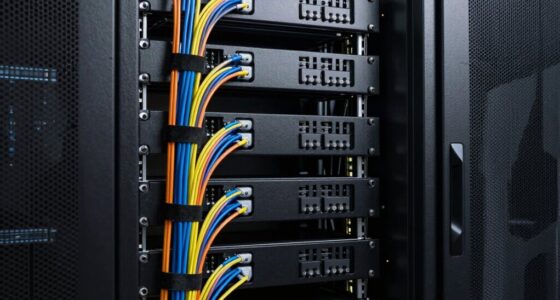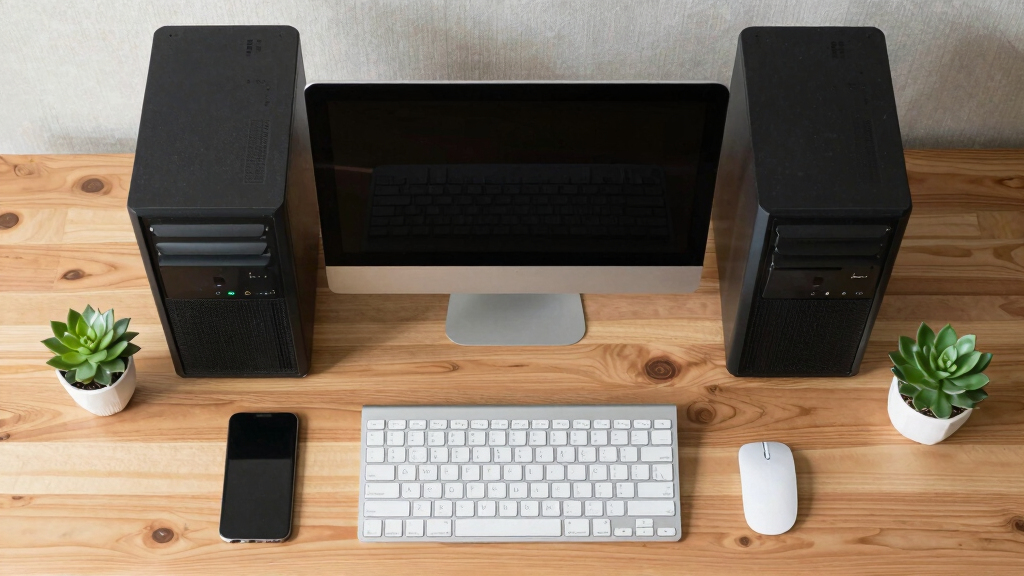

Choosing the right hybrid workstation-server for small to medium businesses in 2026 involves balancing performance, expandability, and cost. The Hewlett Packard Enterprise ProLiant ML30 Gen11 stands out for its enterprise-grade performance in a compact tower, ideal for fundamental workloads. The Dell PowerEdge T320 offers robust manageability and scalability, perfect for growing SMBs. Meanwhile, the Rosewill THOR NAS Pro provides a flexible chassis for customized storage solutions. Each has distinct tradeoffs: HP emphasizes reliability and performance, Dell offers scalability and ease of management, and Rosewill is best for custom storage configurations. Understanding these differences helps identify the best fit for specific SMB needs.
Key Takeaways
- The HP ProLiant ML30 Gen11 is best for SMBs needing enterprise-grade performance in a compact tower.
- Dell PowerEdge T320 provides high scalability and remote management, suitable for expanding SMBs.
- Rosewill THOR NAS Pro offers flexible storage options but requires additional components for full setup.
- Performance and expandability often come with higher costs, which can impact SMB budgets.
- Choosing the right hybrid depends on workload demands, future growth plans, and management preferences.


More Details on Our Top Picks
Hewlett Packard Enterprise ProLiant ML30 Gen11 Tower Server w/one Inte Xeon 6315P Processor, 2.8GHz, 4c 1P 1x16GB-U 4LFF-NHP 2x1TB HDD 1x350W PS (HPE Smart Choice P83315-005)
The HP ProLiant ML30 Gen11 excels as a well-rounded choice for SMBs seeking reliable, enterprise-level performance. Built with an Intel Xeon 6315P processor and DDR5 ECC memory, it handles workloads such as virtualization, file sharing, and small databases with ease. Compared to the Dell T320, it offers a more compact tower form factor, ideal for space-constrained offices. However, its expandability is somewhat limited by its preconfigured hardware, making it less suitable for SMBs expecting rapid growth. Its security features like HPE iLO and TPM 2.0 enhance data protection, but its initial cost is higher than entry-level options. This makes it a great pick for SMBs prioritizing performance and security without extensive future expansion needs.
Pros:- Enterprise-grade performance with Xeon processor
- Secure with HPE iLO and TPM 2.0
- Supports up to 80TB storage with multiple PCIe slots
- Preconfigured and ready for deployment
Cons:- Higher initial cost compared to simpler solutions
- Limited upgradeability due to preconfigured hardware
- No dedicated GPU included
Best for: SMBs needing reliable performance in a compact tower with strong security features.
Not ideal for: SMBs expecting significant future expansion or on a tight budget.
- Processor:Intel Xeon 6315P, 2.8GHz, 4 cores
- Memory:16GB DDR5 ECC
- Storage:2x1TB SATA HDD
- Power Supply:350W
- Expansion Slots:4 PCIe slots
- Network:Embedded 1GbE 4-port Ethernet
Bottom line: A solid choice for SMBs that need reliable, secure performance in a manageable, space-efficient tower.
Rosewill THOR NAS Pro – Full Tower Workstation Case | Server Chassis | Supports up to 8 3.5″ Hot-Swap 3.5″/2.5″ SATA/SAS and 2 2.5″ SSD | E-ATX Compatible | 1x 140mm PWM Fan | USB 3.2 Type-C | AI, NAS
The Rosewill THOR NAS Pro is designed for SMBs that need flexible storage solutions. Its spacious full-tower chassis supports up to 8 hot-swappable 3.5″ drives and additional SSD slots, making it ideal for scalable NAS or media server setups. Compared with the Dell PowerEdge T320, it offers more customization options for storage but requires additional components like a motherboard, power supply, and drives, which can increase setup complexity and cost. Its robust airflow and support for long expansion cards make it suitable for high-performance SMB applications, but it lacks pre-installed management features—making it less ideal for those seeking plug-and-play solutions. Best for SMBs with in-house IT resources or those wanting tailored storage configurations.
Pros:- Supports up to 8 hot-swappable drives
- Large chassis for high expandability
- Good airflow and cooling options
- Supports E-ATX motherboards
Cons:- Requires additional components for complete setup
- No pre-installed management tools
- Setup complexity can be high for non-technical users
Best for: SMBs needing flexible, scalable storage in a customizable chassis.
Not ideal for: SMBs preferring ready-to-run servers with integrated management.
- Drive Bays:8x 3.5″ hot-swap
- Support:E-ATX, 2.5″ SSDs
- Cooling:1x 140mm PWM fan
- Connectivity:USB 3.2 Type-C
- Form Factor:Full Tower
- Expansion:Supports long PCIe cards
Bottom line: Ideal for SMBs with in-house IT skills seeking a customizable, scalable storage chassis.
Dell PowerEdge T320 Tower Server with Intel Xeon E5-2470 v2 CPU, 32GB RAM, 4TB SSDs, 8TB HDDs, RAID, Windows Server 2019 (Renewed)
The Dell PowerEdge T320 is a versatile SMB server that excels in manageability and expandability. Powered by an Intel Xeon E5-2470 v2 and 32GB RAM, it handles virtualization, file sharing, and database workloads smoothly. It offers extensive storage options: up to 4TB SSDs and 8TB HDDs, with RAID support for data protection. Compared to the HP ML30, it provides more comprehensive remote management features via iDRAC9, making it easier to monitor and maintain. Its rack-friendly form factor may be less space-efficient than a tower but offers superior scalability, suitable for SMBs planning for growth. The main tradeoff is its older CPU architecture, which may impact peak performance for the highest workloads. Nonetheless, it remains a strong, manageable option for SMBs needing growth flexibility.
Pros:- High expandability with multiple drive bays
- Remote management with iDRAC9
- Supports RAID for data security
- Room for future component upgrades
Cons:- Older CPU architecture may limit peak performance
- Larger form factor less ideal for space-constrained offices
- Renewed product may have limited warranty support
Best for: SMBs requiring scalable storage and remote management capabilities.
Not ideal for: SMBs on a tight budget or those needing the latest CPU architecture.
- Processor:Intel Xeon E5-2470 v2, 2.4GHz
- Memory:32GB DDR3
- Storage:4TB SSD + 8TB HDD
- RAID Support:Yes
- Management:iDRAC9
- Form Factor:Tower
Bottom line: A balanced, manageable SMB solution for those prioritizing ease of management and future storage growth.
Dell T7810 “Chia Farming” Workstation/Server, 2X Intel Xeon E5-2690 v4 up to 3.5GHz (28 Cores & 56 Threads Total), 128GB DDR4, Quadro K620 2GB Graphics Card, No HDD, No Operating System (Renewed)
The Dell T7810 is tailored for demanding multi-threaded workloads like Chia farming or intensive compute tasks. Its dual Intel Xeon E5-2690 v4 processors provide up to 28 cores and 56 threads, paired with 128GB DDR4 RAM for maximum multitasking. Compared to the other options, it offers the highest raw CPU power, ideal for CPU-bound applications, but it lacks storage out of the box, requiring SMBs to add their drives. This makes it less plug-and-play but highly customizable for specific workloads. Its professional-grade GPU support and upgrade potential make it suitable for specialized SMBs that need raw compute power and hardware flexibility, though it may be overkill for basic file sharing or virtualization tasks.
Pros:- Exceptional multi-core CPU performance
- Massive 128GB DDR4 RAM support
- Supports high-end GPU configurations
- Customizable build for specific workloads
Cons:- No pre-installed storage or OS
- High power consumption and cost
- Requires significant hardware setup and maintenance
Best for: SMBs with intensive multi-threaded workloads and in-house hardware expertise.
Not ideal for: SMBs seeking a ready-to-use server or with limited technical skills.
- Processors:2x Intel Xeon E5-2690 v4, up to 3.5GHz
- Memory:128GB DDR4
- Graphics:Nvidia Quadro K620 2GB
- No Storage Included:Requires SMB to add drives
- Form Factor:Workstation
- Expansion Slots:Multiple PCIe slots
Bottom line: Best suited for SMBs with specialized, CPU-intensive applications and technical resources for custom builds.
How We Picked
Our selection process focused on SMB-specific needs, balancing performance, expandability, cost, and ease of management. We prioritized preconfigured servers with proven reliability, scalability options for future growth, and those compatible with common SMB workloads like virtualization, file sharing, and small databases. Additionally, we considered form factor, manageability features, and user reviews to gauge real-world reliability and value. The products selected represent a mix of entry-level to premium options, ensuring a wide range of SMB needs are addressed.
Factors to Consider When Choosing Best Workstation Server Hybrid For SMB
When selecting a hybrid workstation-server for SMBs, key considerations include workload type, scalability, manageability, and budget. SMBs often need a balance between performance and future-proofing, ensuring the system can handle current needs while accommodating growth. The form factor, security features, and ease of management are also vital, especially for non-IT teams. This guide breaks down critical factors to help match SMB requirements with the right hardware, highlighting the strengths and tradeoffs of each option.
Performance Needs
Assess your typical workloads—whether file sharing, virtualization, databases, or compute-intensive tasks. Choose a system with a suitable CPU, memory, and storage configuration. For example, Xeon-based servers excel in multitasking and reliability, making them ideal for most SMB workloads.
Scalability and Expandability
Consider future growth—storage expansion, added RAM, or GPU needs. Systems like the Dell PowerEdge T320 and Rosewill chassis offer extensive upgrade options, while preconfigured solutions like HP ML30 are more limited but simpler to deploy.
Management and Security
Remote management tools (iLO, iDRAC) simplify maintenance, especially for remote SMBs. Security features such as TPM and secure boot are essential for protecting sensitive business data. Decide if you want an out-of-the-box solution or a customizable chassis that requires additional management setup.
Budget Considerations
Higher performance and expandability typically come with increased costs. Balance your immediate needs with potential future expenses, keeping in mind that some systems may require additional components or setup time, impacting total costs.
Frequently Asked Questions
What is a hybrid workstation-server for SMBs?
A hybrid workstation-server for SMBs combines the high-performance capabilities of a workstation with the storage and networking features of a server. These systems are designed to handle diverse workloads such as virtualization, file sharing, and light enterprise applications, while offering flexibility and expandability suitable for SMB growth.
How important is manageability in SMB servers?
Manageability is vital, especially for SMBs without dedicated IT teams. Features like remote monitoring, automatic updates, and security management tools reduce downtime and simplify maintenance, helping SMBs keep their systems secure and operational with minimal effort.
Should I prioritize performance or expandability?
This depends on your current workload and future plans. If you need immediate high performance for virtualization or heavy applications, prioritize CPU and RAM. If you anticipate growth, choose a system with room for additional drives, memory, and expansion cards to avoid costly future upgrades.
Are preconfigured systems better for SMBs?
Preconfigured systems like the HP ProLiant ML30 offer quick deployment and reliability, making them ideal for SMBs with limited technical resources. However, they may lack flexibility for future upgrades. Custom chassis like the Rosewill NAS chassis provide more scalability but require additional setup and expertise.
What should I consider regarding storage options?
Storage needs vary based on workload—file sharing requires large capacity, while virtualization benefits from faster SSDs. Look for systems that support multiple drives, RAID configurations, and hot-swappable bays to ensure data security and scalability as your business grows.
Conclusion
For SMBs with limited IT resources and a focus on straightforward deployment, preconfigured options like the HP ML30 are ideal. Growing SMBs or those with in-house expertise seeking scalability should consider the Dell PowerEdge T320 or Rosewill NAS chassis for custom solutions. Heavy-duty, compute-intensive SMBs that need maximum CPU power will find the Dell T7810 suited to their needs, though at a higher complexity and cost. Ultimately, matching the system to your workload demands and future plans ensures the best long-term value.