
Change Data Capture (CDC) tracks and records real-time data changes like inserts, updates, and deletes, helping your data pipelines stay synchronized efficiently. It captures only the changed data, reducing bandwidth and system load, while maintaining data consistency and order. You can implement CDC using log-based, trigger-based, or query-based methods, each with its benefits. To learn how CDC boosts your modern data workflows and guarantees reliable, low-latency updates, keep exploring this powerful technology.
Key Takeaways
- CDC captures and records row-level data changes, enabling real-time data synchronization across systems.
- Log-based CDC reads transaction logs for minimal impact and high scalability in data pipelines.
- It outputs change events with metadata, maintaining data consistency and supporting schema evolution.
- CDC supports use cases like streaming analytics, data migration, and cache updates with low latency.
- Implementing CDC requires balancing system performance, data security, and integration with cloud and streaming platforms.

Have you ever wondered how modern systems keep data synchronized in real time without overwhelming resources? The answer lies in Change Data Capture (CDC), a set of software design patterns that track, record, and deliver row-level data changes—such as inserts, updates, and deletes—from source systems to downstream consumers. Instead of copying entire datasets repeatedly, CDC produces a delta-driven dataset, which means only the changes are transferred. This approach considerably reduces bandwidth use and computational overhead, allowing systems to stay current with minimal impact.
CDC captures data changes through various methods. Log-based CDC reads transaction logs—like the Write-Ahead Log (WAL) or binlog—to extract committed changes with minimal performance impact. Trigger-based CDC employs database triggers that write change records to audit tables at the moment of transaction commit; however, this can increase the load on the source system. Query-based CDC, on the other hand, polls source tables at intervals, comparing snapshots based on timestamps or version columns to identify deltas. Each method has its trade-offs, but log-based CDC is widely regarded as the most scalable and low-latency solution, especially for high-volume environments.
Log-based CDC reads transaction logs for low-impact, scalable real-time data capture.
When CDC operates effectively, it preserves the order of transactions, ensuring downstream systems can apply changes deterministically. This preservation maintains data consistency and transaction boundaries, which is critical for accurate analytics, replication, and event-driven architectures. CDC outputs include change events or change tables that detail before-and-after values along with metadata such as timestamps, transaction IDs, and Log Sequence Numbers (LSNs). These details help track progress, handle schema evolution, and support reliable replay or recovery if needed.
The primary goal of CDC is to enable near-real-time data flows. It supports various business needs, such as feeding streaming analytics engines, synchronizing data warehouses, updating caches and search indexes, and facilitating microservices communication. CDC is invaluable during data migration, offering continuous replication without the downtime or resource drain of full reloads. It also enhances operational resilience by maintaining high availability and disaster recovery through constant data synchronization across regions.
Implementing CDC requires careful consideration of operational trade-offs. Balancing latency against system impact, ensuring exactly-once delivery, managing backpressure, and handling schema changes are all essential for success. Additionally, security measures like encrypted data in transit and governance for sensitive information are crucial to meet compliance standards. When integrated with streaming platforms like Kafka or cloud data lakes such as Snowflake or BigQuery, CDC enables seamless, low-latency data pipelines that keep your systems cohesive, current, and efficient. Furthermore, understanding the color accuracy of the source data can help optimize the calibration process for downstream analytics, ensuring data quality is maintained throughout the pipeline.

Debezium Connectors for Change Data Capture: The Complete Guide for Developers and Engineers
As an affiliate, we earn on qualifying purchases.
As an affiliate, we earn on qualifying purchases.
Frequently Asked Questions
How Does CDC Handle Schema Changes Without Data Loss?
You should implement CDC tools that support schema evolution, allowing you to handle column additions, drops, or type changes seamlessly. These tools track schema versions and adjust change capture processes to prevent data loss. You also need to establish clear rules for schema updates, test changes thoroughly, and communicate updates to downstream systems. This approach guarantees your data pipeline remains consistent and resilient during schema modifications.
What Are the Main Differences Between Log-Based and Trigger-Based CDC?
Approximately 70% of CDC implementations prefer log-based methods for scalability. Log-based CDC reads transaction logs, capturing committed changes with minimal impact on source systems, making it highly scalable and low-latency. Conversely, trigger-based CDC uses database triggers to record changes at commit time, increasing overhead and complexity. While trigger-based approaches can be simpler to set up, they often introduce performance issues and are less suitable for high-volume, real-time environments.
How Do CDC Systems Ensure Exactly-Once Delivery Guarantees?
You guarantee exactly-once delivery guarantees in CDC systems by implementing idempotent processing, which prevents duplicate changes from affecting your data. You also use transactional outbox patterns or message brokers with built-in deduplication features, and track change positions with high-water marks like Log Sequence Numbers (LSNs). Combining these methods helps you reliably deliver each change once, maintaining data consistency even during failures or retries.
What Are Common Challenges in Implementing CDC at Scale?
You might picture a vast, intricate web of data streams, where maintaining consistency becomes a formidable challenge. Scaling CDC systems introduces issues like high latency, backpressure, and data drift. You need to handle schema changes smoothly, guarantee fault tolerance, and prevent data loss. Managing resource consumption and balancing latency with throughput also test your system’s resilience. These hurdles demand careful design, monitoring, and robust infrastructure to keep all parts synchronized.
How Do CDC Pipelines Secure Sensitive Data During Transmission?
To secure sensitive data during CDC transmission, you should encrypt data in transit using protocols like TLS to prevent interception. Implement strict access controls and authentication to restrict pipeline access. Use role-based permissions and audit logs to monitor activity. Additionally, mask or anonymize sensitive information before transmission, and guarantee your CDC tools support encryption and compliance standards like GDPR or HIPAA to maintain data privacy and security.
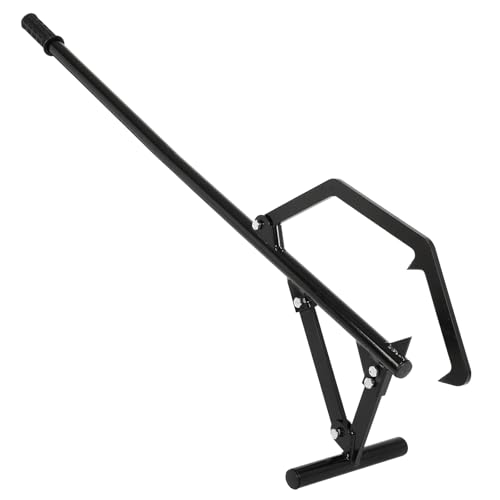
FAHKNS 50.8" Long Handle Log Lifter, Ups to 25" in Dia Log Roller Tool
- Material: Heavy-duty carbon steel construction
- Finish: Black powder-coated surface for rust resistance
- Adjustable Hook: Slant hook for logs 3-25 inches in diameter
As an affiliate, we earn on qualifying purchases.
As an affiliate, we earn on qualifying purchases.
Conclusion
Now that you understand change data capture, you’re like a skilled navigator steering modern data pipelines through a busy sea. It’s the secret sauce that keeps your data fresh and your insights sharp, without wasting resources. Embracing CDC means you’re always a step ahead, turning complex data flows into a smooth, flowing river. So, harness this powerful technique and watch your data journey become more efficient and exciting—like riding the waves with confidence.

Big Data: Principles and best practices of scalable realtime data systems
As an affiliate, we earn on qualifying purchases.
As an affiliate, we earn on qualifying purchases.

Lean Analytics: The Complete Guide To Using Data To Track, Optimize And Build A Better And Faster Startup Business (Lean Guides for Scrum, Kanban, Sprint, DSDM XP & Crystal)
As an affiliate, we earn on qualifying purchases.
As an affiliate, we earn on qualifying purchases.