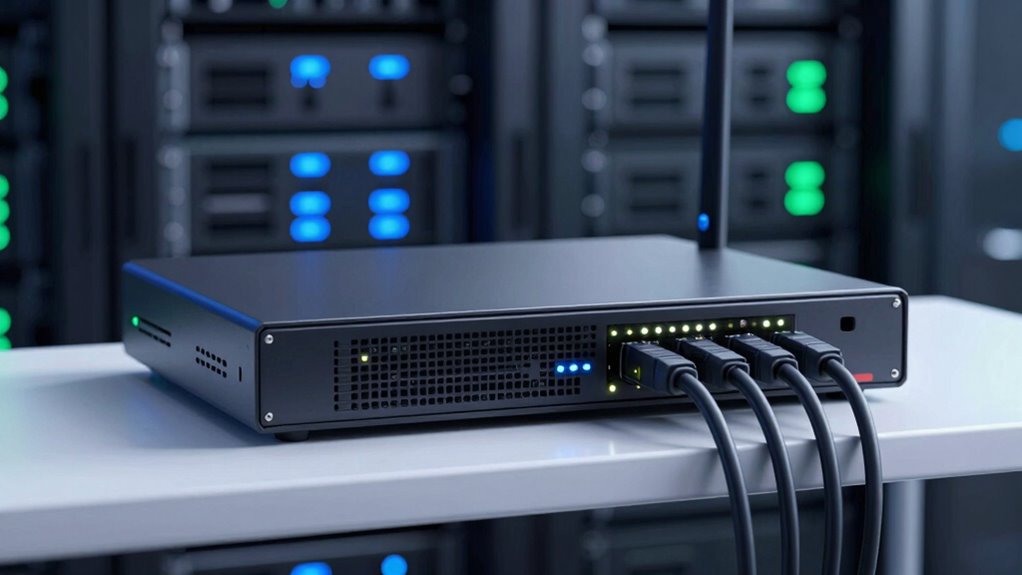

To keep your edge locations alive during short outages, you should distribute content across multiple locations and implement load balancing to spread traffic evenly. Use automated failover and regularly test recovery processes to guarantee quick response. Caching static content locally reduces reliance on central servers, while dynamic routing adjusts traffic based on real-time conditions. Strengthening security and proactive monitoring help detect issues early. Keep exploring for more tips to make your edge more resilient in uncertain times.

Get business pricing on networking and server gear
- Business-only prices and quantity discounts
- Tax-exempt purchasing
- Multiple users, one account, clear invoices
Key Takeaways
- Distribute content across multiple edge locations to prevent single points of failure.
- Implement automated failover and regular testing to ensure quick recovery during outages.
- Use local caching of static content to reduce dependency on origin servers.
- Employ intelligent routing to dynamically redirect traffic around affected edge sites.
- Maintain proactive monitoring and communication to quickly identify issues and inform users.
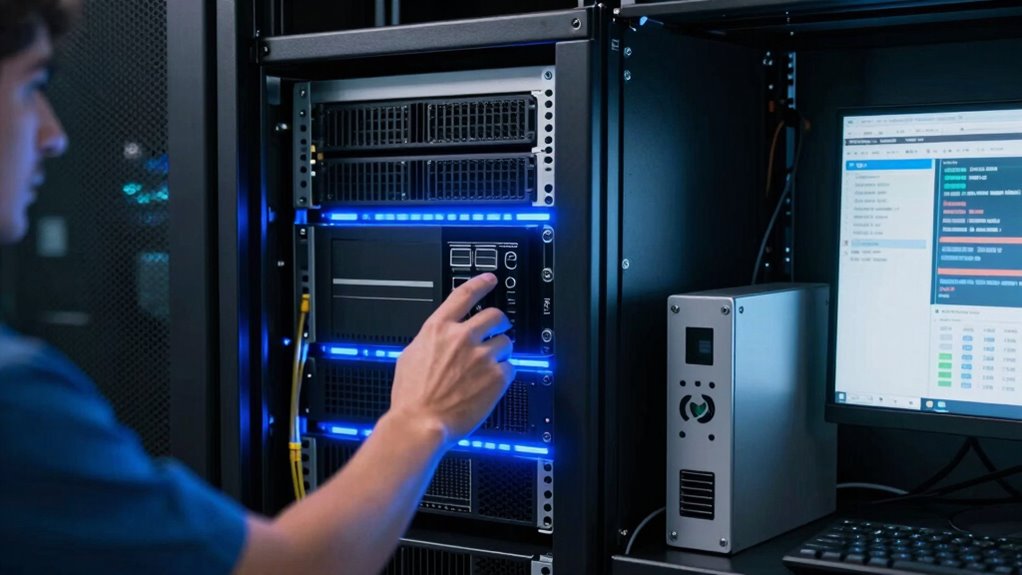
When a short outage strikes, your edge locations can quickly become inaccessible, disrupting service and frustrating users. During these brief disruptions, maintaining seamless content delivery becomes a top priority, especially when your users expect fast, reliable access. To keep your edge locations alive and functioning smoothly, you need robust strategies that prioritize edge security and ensure uninterrupted content delivery. Implementing redundancy across your edge network is essential. Distributing content across multiple edge locations means that if one goes offline temporarily, others can pick up the slack, ensuring users still receive what they need without noticeable delays. This approach minimizes downtime and keeps your service resilient even during unexpected disruptions. Additionally, understanding the importance of edge security helps protect your network from vulnerabilities that may be exploited during outages. Edge security plays a crucial role here. Short outages often expose vulnerabilities that can be exploited or cause further disruptions. By strengthening your edge security, you prevent malicious actors from taking advantage of these moments, which could lead to data breaches or service interruptions. Secure, encrypted connections and real-time monitoring help detect and contain issues swiftly, reducing the impact of outages. Additionally, implementing intelligent routing algorithms can dynamically redirect user requests to the most available and secure edge locations, ensuring continuous content delivery even when some nodes are temporarily offline. Incorporating automated failover mechanisms ensures swift recovery and minimal user impact during outages. Employing load balancing techniques further distributes traffic evenly across your edge network, boosting resilience during high demand or outages. Regular testing of these mechanisms is vital to confirm they activate correctly during actual disruptions. To further enhance resilience, consider deploying a content delivery network (CDN) with automatic failover capabilities. This setup allows your network to reroute traffic seamlessly when an outage occurs, maintaining the flow of content without user intervention. These failover mechanisms should be tested regularly to guarantee they activate as expected during real outages. Also, caching plays a vital role—by storing static content closer to users, you reduce dependency on central servers and mitigate the effects of short disruptions. When edge locations cache popular content locally, users experience faster load times and less interruption, even if the origin server or other parts of your network face issues. Effective caching strategies can significantly improve user experience during outages and contribute to overall network resilience. Proactive communication is equally important. Notify your users about ongoing issues and estimated resolution times, which helps manage expectations and reduces frustration. Using analytics and real-time monitoring tools, you can identify patterns leading to outages and address them proactively. This data-driven approach allows you to fine-tune your edge security measures and content delivery strategies, further minimizing the effect of short outages. A comprehensive understanding of your network’s vulnerabilities enables you to strengthen defenses and prevent exploitation during these critical moments. Ultimately, by combining redundancy, security, intelligent routing, caching, and proactive communication, you keep your edge locations alive and your service resilient, ensuring users stay connected and satisfied, no matter brief disruptions that might occur.
As an affiliate, we earn on qualifying purchases.
Frequently Asked Questions
What Are the Signs of Edge Location Failures?
You’ll notice signs of edge location failures through increased latency, frequent timeouts, or inconsistent content delivery. Edge monitoring helps detect these issues early, alerting you to potential failures. By proactively tracking performance, you can implement failure prevention measures before outages impact users. Regularly reviewing logs and metrics guarantees quick identification of issues, allowing you to maintain reliable service and minimize downtime during short outages or failures.
How Do Outages Impact User Experience at the Edge?
Outages at edge locations can disrupt user experience by causing delays or failures in content delivery, impacting quick access to content caching and edge security measures. When an outage occurs, your users may face slower load times or broken connections, reducing satisfaction. Maintaining robust edge infrastructure guarantees that content caching remains effective and edge security stays active, minimizing these disruptions and preserving a seamless experience for your users.
Which Industries Are Most Affected by Edge Outages?
An ounce of prevention is worth a pound of cure. Industries like finance, healthcare, and e-commerce rely heavily on edge resilience to avert outages. When edge locations go down, these sectors face data loss, delays, and decreased customer trust. To keep operations smooth, you must implement robust outage prevention strategies. Protecting edge locations ensures business continuity, minimizes disruptions, and keeps your services running seamlessly, no matter what challenges arise.
Can Edge Location Outages Cause Data Loss?
Edge location outages can cause data loss if you haven’t implemented data redundancy and cloud synchronization. When an outage occurs, unsynced or locally stored data might get lost before it’s backed up or synchronized with the cloud. To prevent this, you should guarantee continuous cloud synchronization, so data stays updated across locations, and maintain redundant storage systems. This way, even during outages, your data remains protected and accessible.
What Are the Costs Associated With Edge Downtime?
You face significant costs during edge downtime, impacting your business operations and customer satisfaction. Coincidentally, effective edge monitoring helps you detect issues early, reducing potential losses. A thorough cost analysis reveals expenses like lost revenue, decreased productivity, and potential damage to your reputation. By investing in reliable monitoring systems, you minimize downtime costs, ensuring your edge locations stay operational and your business remains resilient against unexpected outages.
As an affiliate, we earn on qualifying purchases.
Conclusion
By implementing these strategies, you guarantee your edge locations stay resilient, even when outages strike. Think of your network as a fortress—each measure is a sturdy wall protecting your digital frontier. Don’t let short outages be the storm that sinks your ship; instead, sail smoothly with a robust, prepared infrastructure. Remember, in the world of edge computing, resilience isn’t just an option—it’s your secret weapon to keep operations thriving, come rain or shine.
As an affiliate, we earn on qualifying purchases.
As an affiliate, we earn on qualifying purchases.
Halloween Picks
halloween
As an affiliate, we earn on qualifying purchases.