
You face a compliance gap when development, security, and procurement teams work in silos, leading to misaligned policies and increased vulnerabilities. This disjointed approach causes delays, higher costs, and potential security issues. Implementing continuous monitoring and automated auditing helps identify problems early and keeps everyone aligned. By integrating policies across teams and fostering communication, you can create a smoother, more secure workflow. To learn more about bridging these gaps effectively, keep exploring the strategies that make this possible.

Get business pricing on networking and server gear
- Business-only prices and quantity discounts
- Tax-exempt purchasing
- Multiple users, one account, clear invoices
Key Takeaways
- Siloed operations create misaligned policies, increasing vulnerabilities and delays across development, security, and procurement teams.
- Lack of continuous monitoring hampers early detection of compliance issues between departments.
- Disjointed policies lead to inconsistent practices, reducing overall compliance effectiveness.
- Manual audits and fragmented workflows cause delays and increase compliance risks.
- Integrating automated auditing and unified policies fosters transparency, accountability, and proactive compliance management.
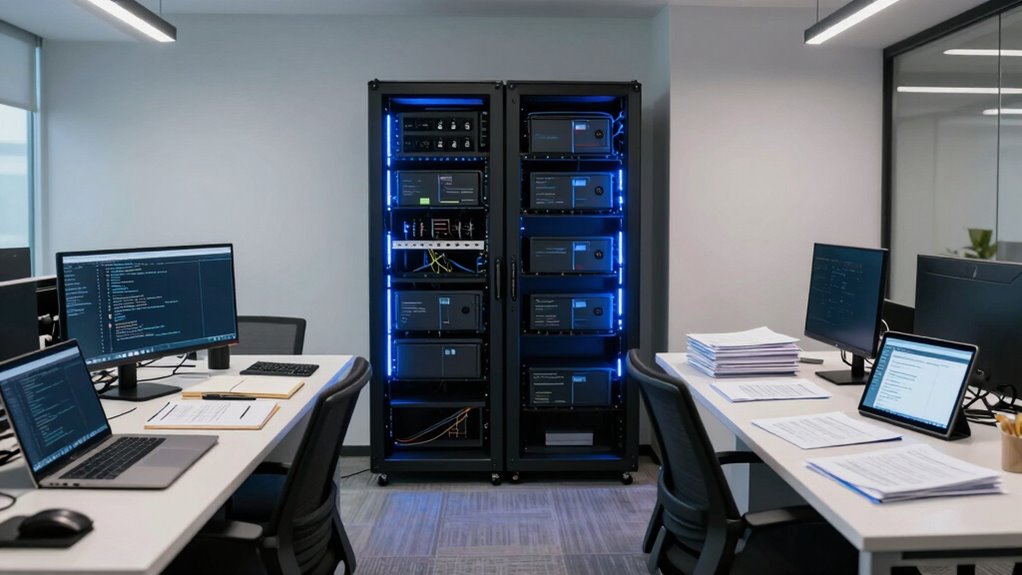
In today’s fast-paced development environment, bridging the compliance gap between development teams, security, and procurement is more critical than ever. When these groups operate in silos, misaligned policies and inconsistent practices can create vulnerabilities, delays, and increased costs. To address this, you need to focus on strategies that promote seamless collaboration and real-time oversight, with Automated Auditing playing a central role. Automated Auditing allows you to continuously monitor compliance across the entire software lifecycle, catching issues early before they escalate. This proactive approach reduces manual checks, speeds up the audit process, and provides a clear, real-time picture of your compliance status. As a result, you can swiftly identify where policies aren’t being followed and take corrective actions without disrupting your workflows. Additionally, fostering a culture of transparency and shared responsibility helps ensure that all teams remain committed to maintaining compliance standards.
Automated Auditing ensures continuous, real-time compliance monitoring, enabling swift issue detection and seamless workflow integration.
Policy Alignment is equally essential to closing this gap. When development, security, and procurement teams operate under different sets of rules, it’s easy for policies to become misaligned, leading to inconsistencies and compliance failures. You need to establish a unified set of policies that all teams understand and adhere to. This means integrating security requirements into development processes from the start and ensuring procurement practices align with compliance standards. Clear communication and shared goals foster a culture of accountability, making policies less of a burden and more of a guiding framework. When policies are aligned, teams can work more efficiently, knowing they’re all moving toward the same compliance objectives. Moreover, understanding compliance standards is crucial to creating effective policies that minimize risks. Incorporating regulatory requirements into your policy framework ensures comprehensive coverage and reduces the likelihood of non-compliance. Regular training and awareness initiatives can also reinforce the importance of policy adherence across all teams. Implementing automated compliance checks further supports maintaining consistent standards throughout the development lifecycle.
By leveraging Automated Auditing in tandem with strict Policy Alignment, you create a system where compliance becomes an integrated part of your development cycle, not an afterthought. This integration enables you to automate checks against your policies continuously, rather than relying on manual reviews that are often delayed or overlooked. When discrepancies occur, automated alerts notify the relevant teams immediately, allowing for rapid resolution. This real-time feedback loop keeps everyone accountable and ensures that security and compliance are built into your workflows, rather than tacked on at the end. Emphasizing policy consistency helps prevent gaps and reinforces a unified approach to compliance management.
Ultimately, bridging this compliance gap requires a strategic combination of technology and process. You need tools that enable Automated Auditing to provide ongoing assurance and policies that everyone understands and follows. When these elements work together, your teams can move faster without sacrificing compliance. You’ll reduce risks, avoid costly delays, and foster a security-conscious culture that’s aligned from development through procurement. In a landscape where compliance is non-negotiable, this integrated approach becomes your best defense against vulnerabilities and non-compliance penalties.
automated compliance auditing software
As an affiliate, we earn on qualifying purchases.
As an affiliate, we earn on qualifying purchases.
Frequently Asked Questions
How Can Organizations Effectively Bridge the Compliance Gap Across Teams?
You can effectively bridge the compliance gap by establishing clear compliance metrics shared across teams, ensuring everyone understands expectations. Implement targeted training programs that educate each team on their specific compliance responsibilities, fostering collaboration. Regularly review and update these metrics and training content to adapt to evolving regulations. By promoting open communication and shared accountability, you create a unified approach that aligns Dev, Security, and Procurement efforts, closing the compliance gap efficiently.
What Are Common Challenges Faced During Cross-Team Compliance Alignment?
Like a ship steering through stormy seas, you face compliance barriers and communication breakdowns that challenge cross-team alignment. Common issues include differing priorities, unclear responsibilities, and inconsistent processes. These obstacles cause misunderstandings and slow progress. To overcome them, you need clear communication channels, shared goals, and regular collaboration. Addressing these challenges head-on guarantees teams stay aligned, reducing compliance risks and fostering a unified approach to security, development, and procurement goals.
How Does Leadership Influence Compliance Culture in Development, Security, and Procurement?
Leadership influence shapes compliance culture by setting clear expectations and modeling best practices across development, security, and procurement. When leaders prioritize compliance, they foster an environment where teams understand its importance and feel responsible. Your leaders’ active engagement encourages open communication, accountability, and continuous improvement, helping bridge gaps and align efforts. Ultimately, strong leadership drives a unified compliance culture that supports organizational goals and mitigates risks effectively.
What Tools or Technologies Aid in Closing the Compliance Gap?
Think of tools as your trusted compass in steering compliance’s stormy seas. Automated auditing keeps a watchful eye, catching issues before they grow into storms. Policy management acts as your guiding star, aligning your team’s actions with regulatory standards. Together, these technologies bridge the gap, transforming chaos into clarity, empowering you to steer confidently through compliance challenges and guarantee seamless collaboration across development, security, and procurement.
How Frequently Should Compliance Processes Be Reviewed and Updated?
You should review compliance processes regularly, ideally every three to six months, to stay ahead. Conduct compliance audits during these reviews to identify gaps and guarantee policies are being followed. Update policies promptly based on audit findings and evolving regulations. Frequent reviews help you maintain alignment across Dev, Security, and Procurement, reducing risks and strengthening your overall compliance posture. Staying proactive keeps your organization resilient and compliant.
continuous monitoring tools for development security
As an affiliate, we earn on qualifying purchases.
As an affiliate, we earn on qualifying purchases.
Conclusion
Bridging the compliance gap between dev, security, and procurement might feel like steering through a labyrinth, but it’s essential for your organization’s success. By fostering open communication and aligning your teams’ goals, you can turn this challenge into an advantage—no need for a time machine to fix old issues. Remember, in this digital age, staying synchronized is your best armor. Embrace collaboration now, and you’ll avoid the pitfalls of the past, like a true modern-day knight.
policy management software for teams
As an affiliate, we earn on qualifying purchases.
As an affiliate, we earn on qualifying purchases.
integrated security and compliance platform
As an affiliate, we earn on qualifying purchases.
As an affiliate, we earn on qualifying purchases.
Halloween Picks
halloween
As an affiliate, we earn on qualifying purchases.