
To decode support SLAs, focus on understanding the scope, performance metrics, and responsibilities outlined. Pay attention to specific service levels like uptime, response times, and reporting methods. Look for remedies such as service credits or escalation steps if standards aren’t met. Clear SLAs highlight what’s included and excluded, helping you manage expectations. If you keep exploring, you’ll gain a solid grasp of how to interpret these agreements effectively.
Key Takeaways
- Focus on understanding the scope, including services covered and exclusions, to know what is and isn’t guaranteed.
- Check the performance metrics, such as uptime and response times, and how they are measured and reported.
- Review roles and responsibilities for both provider and customer, including specific duties and escalation procedures.
- Examine remedies like service credits or termination rights in case service levels are not met.
- Pay attention to terms related to effective dates, durations, and conditions that could affect service obligations.

Support SLAs
Have you ever wondered how organizations guarantee consistent support and meet performance expectations? It all comes down to Support Service Level Agreements, or SLAs. These formal contracts clearly define what support services you can expect and set measurable performance targets for both the provider and you, the customer. The main goal is to establish clear standards for performance, clarify each party’s responsibilities, and lay out remedies if those standards aren’t met. In industries like cloud computing, SaaS, or managed services, SLAs are essential for guaranteeing uptime, response times, and support coverage, helping you manage risks and ensure service quality.
An SLA begins with an overview that identifies the involved parties—your organization and the service provider—along with the agreement’s effective and expiry dates. It summarises the scope of services, responsibilities, and key terms, giving you a high-level picture. The service description details the specific services included, such as remote assistance or telephone support, along with any exclusions. It defines dependencies, like hardware or software, and clarifies what constitutes outages or degraded service. This section ensures you understand exactly what is covered and what isn’t.
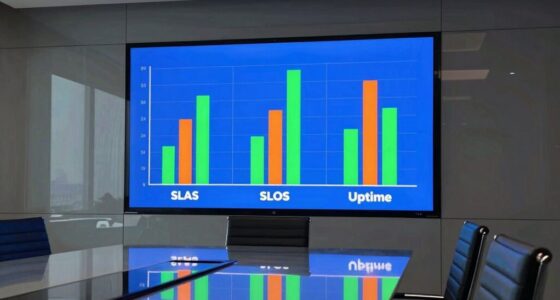
Performance metrics are the core of the SLA. They set targets for uptime, response times, and resolution windows. For instance, an uptime guarantee might specify 99.9%, measured monthly, with scheduled maintenance windows excluded. Response times are tiered based on incident severity, ensuring that critical issues get immediate attention. The SLA also defines how service levels will be measured, reported, and audited. You’ll get regular reports on metrics like mean time to repair (MTTR) or ticket volumes, with clear procedures for monitoring and logging incidents. This transparency helps you verify if the provider is meeting their commitments. Measuring performance accurately is crucial for maintaining trust and accountability between both parties.
Service levels are measured and reported regularly, ensuring transparency and accountability in support performance.
Roles and responsibilities are critical. The SLA spells out what the provider, your team, and any third-party vendors must do to uphold the agreement. For example, your team might need to provide certain information promptly, while the provider commits to specific response and resolution times. Remedies and penalties cover what happens if service levels aren’t met—these could include service credits, escalations, or even contract termination. The SLA may also specify remedies for exclusions, such as scheduled downtime, and outline escalation procedures to resolve disputes efficiently.
In essence, reading a Support SLA requires understanding its key components: scope, performance targets, roles, and remedies. These elements work together to ensure you receive consistent, high-quality support, and that both parties are held accountable. By paying close attention to the fine print—like response times, uptime guarantees, and reporting procedures—you can better manage expectations, minimize risks, and keep your services running smoothly.
Frequently Asked Questions
How Are SLA Violations Typically Handled and Documented?
When you experience an SLA violation, you should report it promptly, documenting the incident with details like date, time, and impact. The service provider typically reviews the breach, assesses the cause, and works on remediation. You’ll want to review the agreement’s penalties or remedies section to understand possible remedies. Keep records of all communications and actions taken, as these help ensure proper resolution and accountability.
What Are Common Penalties for Missing Service Level Targets?
When you miss service level targets, common penalties include financial fines, service credits, or compensation adjustments. You might also face reputational impacts or contractual remedies. These penalties are usually outlined in the SLA’s exclusions and remedies section. You’re expected to track violations carefully and document them clearly. If a breach occurs, you should review the agreed-upon penalties and follow escalation procedures to resolve issues swiftly and maintain accountability.
How Often Should SLA Metrics Be Reviewed and Updated?
Think of your SLA as a living map; it needs regular updates to stay accurate. You should review your metrics quarterly or after major service changes to guarantee they reflect current performance. This keeps everyone aligned and proactive. Regular updates help catch issues early, maintain trust, and adapt to evolving needs. Don’t wait for problems—schedule consistent reviews to keep your SLA fresh and effective.
Who Is Responsible for Managing SLA Disputes or Disagreements?
You’re responsible for managing SLA disputes or disagreements by following the outlined protocols in your agreement. Typically, this involves engaging the designated dispute resolution process, which may include discussions, escalation to management, or mediation. You should document all issues clearly, communicate promptly, and adhere to procedures specified in the SLA. If needed, escalate to the appropriate internal teams or external parties to make sure disputes are resolved fairly and efficiently.
Are There Standard Templates or Frameworks for Drafting SLAS?
You can find standard templates or frameworks for drafting SLAs that simplify the process. While they may seem formal and rigid, these templates offer flexibility to customize your agreement. You’ll appreciate how they balance thorough coverage with clarity, helping prevent misunderstandings. Using these frameworks, you save time and ensure consistency across agreements, making negotiations smoother and your service expectations clear from the start.
Conclusion
Understanding support SLAs is like having a treasure map—you’ll know exactly where to find what you need and how quickly. By decoding the fine print, you can steer clear of surprises and ensure your needs are met without sinking into chaos. Remember, reading between the lines isn’t just a habit; it’s your secret weapon to keep your support ship sailing smoothly. Stay vigilant, and let those SLAs be your guiding stars.