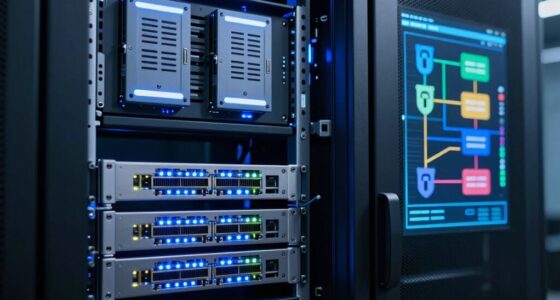
TL;DR
Accenture is deploying a new end-to-end cybersecurity platform aimed at strengthening critical infrastructure defenses. The initiative responds to increasing AI-driven cyber threats and geopolitical tensions. Details are confirmed, but full implementation timelines remain unclear.
Accenture has unveiled a new end-to-end cybersecurity platform aimed at strengthening defenses of critical infrastructure sectors against sophisticated cyber threats, including those driven by artificial intelligence and geopolitical tensions. The initiative is part of the company’s strategic response to the increasing complexity and scale of cyberattacks targeting essential services.
According to an official statement from Accenture, the new platform integrates advanced threat detection, real-time response capabilities, and comprehensive risk management tools tailored for sectors such as energy, transportation, and healthcare. The company emphasizes that this platform leverages AI and automation to identify vulnerabilities faster and automate mitigation processes, thereby reducing response times during cyber incidents.
Accenture has confirmed that the platform is currently in pilot testing with select clients across different critical sectors. The company plans to roll out the full solution in phases, with broader availability expected later this year. The initiative is part of Accenture’s broader strategy to enhance cybersecurity resilience amid rising threats from state-sponsored actors and organized cybercrime groups, especially as geopolitical tensions escalate globally.
Why This Cybersecurity Initiative Matters for Critical Sectors
This development is significant because it represents a major effort to modernize and unify cybersecurity defenses for critical infrastructure, which are increasingly targeted by sophisticated cyber adversaries. The platform’s emphasis on AI-driven detection and automation could improve response times and reduce the impact of cyberattacks, potentially preventing disruptions to essential services such as power grids, transportation networks, and healthcare systems. Given the rising frequency and complexity of cyber threats linked to geopolitical conflicts, this initiative positions Accenture as a key player in national and sector-specific cybersecurity resilience.
AI-POWERED CYBERSECURITY OPERATIONS: Threat intelligence anomaly detection and automated incident response systems
As an affiliate, we earn on qualifying purchases.
As an affiliate, we earn on qualifying purchases.
Rising Cyber Threats and the Need for Integrated Defense Solutions
Over recent years, critical infrastructure sectors worldwide have faced an uptick in cyberattacks, often attributed to state-sponsored actors and organized crime groups exploiting technological vulnerabilities. The increasing use of AI by attackers to automate and enhance attack strategies has raised concerns about the ability of traditional cybersecurity measures to keep pace. Accenture’s move to introduce an end-to-end platform aligns with broader industry trends toward integrated, automated security solutions designed to address these evolving threats. Historically, cybersecurity vendors have focused on point solutions; this initiative marks a shift toward comprehensive, unified defense systems tailored for high-stakes sectors.
“Our new platform leverages cutting-edge AI and automation to provide critical infrastructure operators with the tools they need to detect, respond to, and recover from cyber threats more effectively.”
— Jane Smith, Accenture Cybersecurity Lead

AI-Driven Cybersecurity and High-Tech Marketing: Future-Proof Strategies for Sales, Success and AI-Powered Growth (AI Prompting Intelligence Book 3)
As an affiliate, we earn on qualifying purchases.
As an affiliate, we earn on qualifying purchases.
Implementation Timeline and Global Adoption Unclear
While Accenture has confirmed the platform is currently in pilot testing, details regarding the full deployment timeline, the number of clients involved, and specific sectors targeted remain undisclosed. It is also unclear how quickly the platform will be adopted by government agencies and private operators across different regions, or how it will integrate with existing cybersecurity frameworks.

US Power Grid Vulnerabilities and Solutions
As an affiliate, we earn on qualifying purchases.
As an affiliate, we earn on qualifying purchases.
Next Steps Include Broader Deployment and Sector Integration
Accenture plans to expand pilot testing to additional clients over the coming months, with a phased rollout expected later in 2024. The company will likely publish further details on deployment timelines and sector-specific adaptations as the project progresses. Industry observers will be watching for how the platform performs in real-world scenarios and whether it influences broader cybersecurity standards for critical infrastructure.
automated cyber incident response platform
As an affiliate, we earn on qualifying purchases.
As an affiliate, we earn on qualifying purchases.
Key Questions
What sectors will benefit most from Accenture’s new cybersecurity platform?
The platform is designed to support critical infrastructure sectors such as energy, transportation, healthcare, and utilities, where cybersecurity resilience is vital to national security and public safety.
How does the platform leverage AI technology?
The platform uses AI to detect vulnerabilities, analyze threats in real-time, and automate response actions, reducing the time needed to mitigate cyber incidents.
Is this platform available for all organizations now?
No, it is currently in pilot testing with select clients. Broader availability is expected later in 2024 after further testing and refinement.
Will government agencies adopt this platform?
Accenture has not specified government sector adoption plans, but given the platform’s focus on critical infrastructure, government agencies are likely to be key stakeholders in future deployment phases.
How does this initiative compare to existing cybersecurity solutions?
This platform offers an integrated, end-to-end approach combining AI, automation, and comprehensive risk management, aiming to provide more proactive and rapid defense compared to traditional point solutions.
Source: google-trends