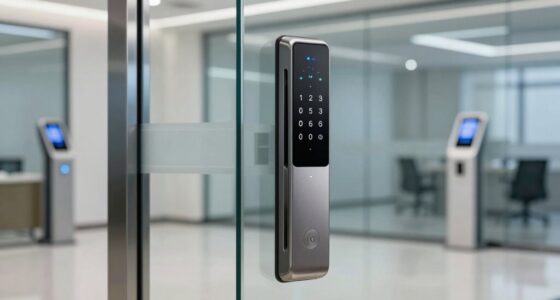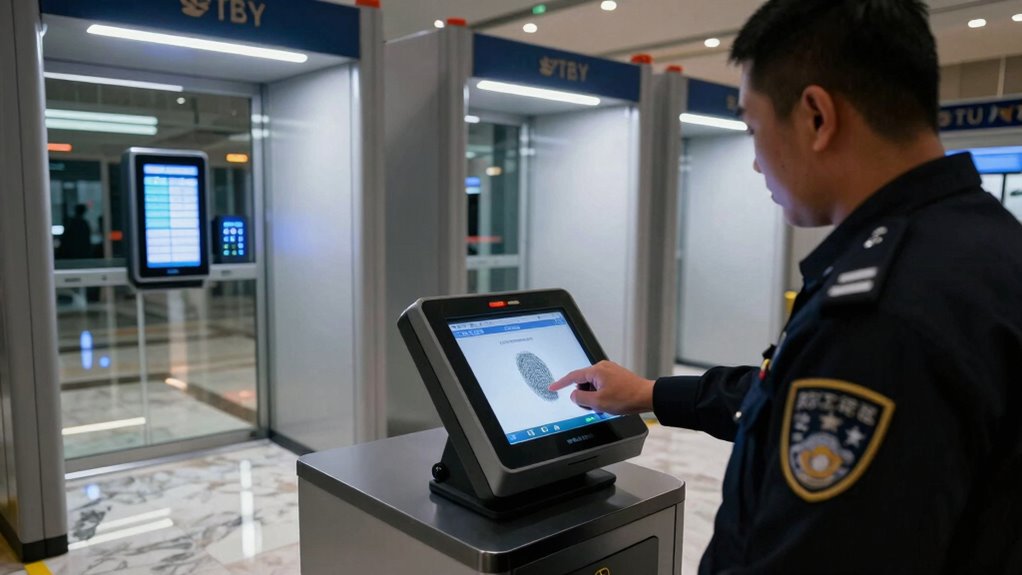

To audit physical access rights like IAM, start by mapping all access points, including entrances, exits, and secure zones. Cross-check these with current access logs and user permissions to spot discrepancies. Review and update permissions promptly and revoke unnecessary access. Conduct physical security checks on locks, alarms, and surveillance, ensuring controls work effectively. Implement continuous monitoring with alerts for suspicious activity. Following these steps will help you strengthen your security and uncover what you might be missing.
Open a free Amazon Business account
Business pricing, bulk buying and tax-exempt orders.
As an affiliate, we earn on qualifying purchases.
Key Takeaways
- Map all physical access points and cross-reference with current access logs and permissions regularly.
- Conduct periodic reviews and updates of physical access rights to ensure they match current roles.
- Perform physical security checks on locks, alarms, and surveillance equipment to identify vulnerabilities.
- Implement automated monitoring tools and real-time alerts for unusual access activities.
- Document, review, and update security protocols consistently to maintain compliance and adapt to threats.
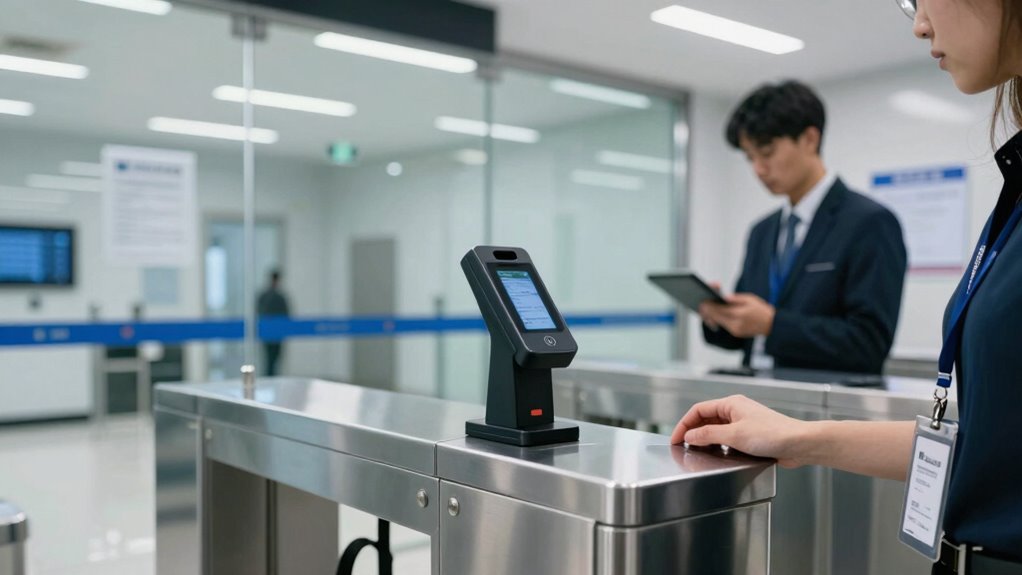
Auditing physical access rights is a crucial step in safeguarding your organization’s sensitive areas and guaranteeing that only authorized personnel can enter restricted spaces. Just like managing digital identity and access management (IAM), you need to evaluate who has access, why they have it, and whether that access is still justified. This process begins with a clear understanding of your access control systems—whether they’re key cards, biometric scanners, or other security devices. You want to verify that these systems are correctly configured and that each access point is aligned with your organization’s security protocols. It’s essential to regularly review the permissions assigned to each individual, ensuring that access rights reflect current job roles and responsibilities. For example, someone who’s transferred to a different department or left the company should no longer have access to sensitive areas.
When you conduct an audit, start by mapping out all physical access points—entrances, exits, server rooms, data centers, or other high-security zones. Then, cross-reference this map with your current access logs and user permissions. Look for discrepancies—such as outdated access rights or unauthorized entries—that could indicate vulnerabilities. If someone has access they no longer need, revoke it immediately. Conversely, if someone requires access but isn’t listed, update their permissions without delay. This is where your security protocols come into play; they’re the rules you follow to manage these permissions securely and consistently. These protocols should specify how often you review access rights, who is responsible for making updates, and how you document changes. Additionally, employing comprehensive access audits can help ensure no detail is overlooked during the process. Regularly reviewing and updating your physical security measures helps maintain a strong security posture against evolving threats. Implementing automated monitoring tools can provide real-time insights and alerts that enhance your security oversight. Moreover, integrating ongoing training for staff about security best practices can further reinforce these measures and reduce human error. Conducting these audits with a focus on security policies ensures that your organization remains compliant and vigilant.
In addition to periodic reviews, you should implement real-time monitoring or alerts for unusual activity, like multiple failed access attempts or access outside of normal hours. This proactive approach helps you identify potential breaches before they escalate. When auditing, don’t forget to verify the physical security measures in place—such as locks, alarms, and surveillance cameras—to ensure they’re functioning properly. If you find gaps, update or strengthen these controls accordingly. Remember, maintaining robust access control and following stringent security protocols are ongoing processes, not one-time checks. Regular audits keep your physical security aligned with evolving threats and organizational changes, reinforcing your overall security posture. By systematically reviewing and managing access rights, you prevent unauthorized entries and protect your organization’s most sensitive assets.
electronic access control system
As an affiliate, we earn on qualifying purchases.
As an affiliate, we earn on qualifying purchases.
Frequently Asked Questions
How Often Should Physical Access Audits Be Conducted?
You should conduct physical access audits at least quarterly to guarantee security protocols are followed and access control remains effective. Regular audits help identify unauthorized access and potential vulnerabilities. Keep detailed records of each review, and adjust security measures as needed. Frequent checks demonstrate your commitment to security, ensure compliance, and prevent breaches. Staying proactive with these audits is essential to maintaining a secure environment and safeguarding sensitive assets.
What Tools Are Best for Tracking Physical Access?
You should use access control systems like electronic badge readers, biometric scanners, and CCTV cameras to track physical access effectively. These tools help you monitor who enters and exits secure areas, guarantee compliance with security protocols. Regularly reviewing access logs from these systems allows you to identify unauthorized access or anomalies promptly. Combining these tools with a solid security protocol ensures thorough physical access management and enhances your overall security posture.
How to Handle Temporary Access Permissions?
Think of temporary permissions as guest passes to your secure estate. You should set clear access expiration dates and automate their removal once that window closes. Regularly review these permissions to guarantee they haven’t slipped through the cracks. Use access management tools that allow you to assign and revoke temporary access easily, and keep a record of all changes. This way, you’ll maintain control while accommodating short-term needs effectively.
Who Should Be Responsible for Physical Access Audits?
You should assign responsibility for physical access audits to your security team or designated access control managers. They need to enforce security awareness and regularly review who has access to sensitive areas. By involving those responsible for access control, you guarantee audits are thorough and consistent. This approach helps maintain security standards, prevents unauthorized entry, and aligns physical access management with your overall security policies.
How to Integrate Physical and Digital Access Audit Results?
You’ll want to merge your physical and digital access audit results seamlessly, proving that access control isn’t just a digital fortress. Start by aligning your security protocols across both domains, using shared tools or dashboards. Map physical access points to digital identities, and conduct integrated reviews regularly. This way, you get an all-encompassing security picture, because nothing screams ‘ironclad’ like knowing who’s inside and what they’re allowed to do.
As an affiliate, we earn on qualifying purchases.
Conclusion
By treating physical access like a delicate tapestry, you weave a secure environment where every thread is accounted for. Regular audits guarantee you don’t let loose ends fray, keeping unauthorized access at bay. Remember, the fortress isn’t just brick and mortar—it’s the people who hold the keys. Stay vigilant, because in the domain of security, the smallest oversight can unravel the strongest defenses, turning your fortress into an open book.
security surveillance camera system
As an affiliate, we earn on qualifying purchases.
As an affiliate, we earn on qualifying purchases.
As an affiliate, we earn on qualifying purchases.
Flea & tick season Picks
flea and tick prevention
As an affiliate, we earn on qualifying purchases.