

Encryption at rest protects your stored data from unauthorized physical access or theft by converting it into unreadable ciphertext, reducing the risk of data breaches involving sensitive information like customer data or financial records. However, it never secures data while it’s in use, such as during processing or in memory, where decrypted data can be exposed. Key management is critical, and vulnerabilities can still exist if encryption isn’t combined with other security measures—continue to explore how layered defenses can further safeguard your data.
Key Takeaways
- Protects stored data from unauthorized access if physical media is lost or stolen.
- Does not secure data during processing, in memory, or in transit.
- Relies on effective key management; compromised keys can expose data.
- Cannot prevent data exposure through application vulnerabilities or privileged access.
- Should be combined with other security measures for comprehensive data protection.

Have you ever wondered how sensitive data remains protected even when stored on physical media? Encryption at rest is designed to shield your stored data from unauthorized access if physical media like hard drives, SSDs, or backup tapes fall into the wrong hands. When you encrypt data at rest, it becomes ciphertext—meaning it’s unreadable without the decryption keys. If someone steals a disk or backup, they can’t access the raw data without those keys, which helps prevent data breaches. This approach considerably reduces the risk of exposing customer records, financial information, or intellectual property that persists in storage. It also limits internal exposure because access to plaintext is controlled through centralized key management and strict access policies. Additionally, encryption at rest helps you meet regulatory requirements such as GDPR or PCI DSS, which mandate protecting stored personal and payment data.
Encryption at rest protects stored data from unauthorized access and helps meet regulatory requirements.
However, encryption at rest doesn’t protect your data while it’s in use. When applications or databases decrypt files for processing, the data appears as plaintext in memory, which encryption at rest doesn’t secure. If an attacker gains access to your server’s memory or exploits vulnerabilities in your application, they can potentially read this decrypted data. It also doesn’t prevent privileged users or OS-level administrators from viewing data once it’s decrypted, especially if they have access to the host system. In-memory attacks, like RAM scraping or live memory dumps, can capture plaintext data during processing, bypassing encryption at rest entirely. So, while encryption is a powerful layer of defense, it’s not a complete security solution on its own.
Encryption at rest can reduce your attack surface by shifting the focus to key management rather than protecting every bit of stored data. But it can’t prevent attackers who manage to obtain both the encrypted data and the keys. If someone compromises your key management system or gains administrative privileges, they can decrypt the data at will. Encryption also doesn’t eliminate risks from application-layer vulnerabilities, such as SQL injection, which can expose decrypted data in the application’s processing flow. Operational challenges include managing encryption keys securely—improper rotation or lost keys can cause permanent data loss. It can also introduce performance overhead, especially during encryption and decryption processes, which might slow down your system. Proper key management practices are essential to ensure the security of encrypted data and prevent unauthorized decryption. Proper implementation and ongoing management are critical to maintaining the integrity of your encryption strategy.
Implementations like full-disk encryption, transparent data encryption (TDE), or envelope encryption provide different balances of security, performance, and manageability. They all rely on robust key management practices, often using hardware security modules (HSMs) or cloud key management services for stronger protection. To maximize security, encryption at rest must be complemented with other controls like access policies, monitoring, and network encryption. Ultimately, encryption at rest is a crucial component of your data protection strategy, but it doesn’t prevent data from being exposed during processing, in transit, or through application vulnerabilities. Recognizing its limits helps you build a more holistic security posture.

SecureData SecureUSB KP 256GB Hardware Encrypted USB Drive FIPS 140-2 Level 3 Unlock via Keypad TAA Compliant, CJIS, HIPAA, CMMC, GDPR Compliant, Works with Mac USB 3.0
The Encrypted Drive includes both USB-C and USB-A Adapters to make your out-of-box experience great. Ready for any…
As an affiliate, we earn on qualifying purchases.
As an affiliate, we earn on qualifying purchases.
Frequently Asked Questions
Does Encryption at Rest Protect Against Malware or Ransomware Attacks?
Encryption at rest doesn’t protect you directly against malware or ransomware attacks. When malware infects your system, it often runs with the same privileges as legitimate processes, allowing it to access decrypted data in memory or during processing. Ransomware can encrypt data after decryption. So, while encryption helps protect stored data from theft if stolen, it doesn’t prevent malicious code from manipulating or encrypting data once it’s in use.
Can Encryption at Rest Prevent Data Leakage Through Insider Threats?
Encryption at rest isn’t a magic shield against insider threats, but it’s like locking the vault door—only it keeps some people out. If insiders have decryption keys or access, they can still read sensitive data. It reduces risk, but won’t stop a crafty employee from copying, sharing, or stealing unencrypted info if they’re authorized. So, combine it with strict access controls and monitoring to truly guard against insider leaks.
Is Data Protected Even if Encryption Keys Are Compromised?
If encryption keys are compromised, your data isn’t truly protected anymore. Attackers can decrypt stored data directly, gaining access to sensitive information like customer records or financial data. While encryption still adds a layer of defense, it becomes ineffective without secure key management. You need strong controls around key storage, regularly rotating keys, and layered security measures to prevent full exposure if keys are compromised.
Does Encryption at Rest Secure Data During Active Processing in Memory?
Think of encryption at rest as a vault around your stored treasures, but once data moves into active processing, it’s like opening that vault—plaintext spills out into memory. During active processing, encryption at rest can’t keep data hidden; it’s like trying to lock a door while someone’s already inside. So, yes, data in memory is vulnerable, and encryption at rest offers no shield once the data leaves storage and enters use.
Can Encryption at Rest Prevent All Forms of Data Exfiltration?
No, encryption at rest can’t prevent all data exfiltration forms. While it secures stored data from physical theft, it doesn’t stop attackers from accessing decrypted info during processing, through compromised credentials, or via application vulnerabilities. If they gain access to active sessions, memory, or privileged accounts, they can exfiltrate data despite encryption. You need layered security controls like monitoring, access management, and network defenses to effectively reduce exfiltration risks.

Master Key System: The Complete Original Edition (GPS Guides to Life)
As an affiliate, we earn on qualifying purchases.
As an affiliate, we earn on qualifying purchases.
Conclusion
Remember, encryption at rest is like putting your data in Fort Knox—you think it’s completely safe, right? But no matter how thick the vault, hackers can still find cracks, and accidental leaks happen faster than you can blink. So, don’t rely on it alone; treat it like a superhero costume—helpful, but not invincible. Keep your guard up, stay vigilant, and always layer your defenses. Because in the digital world, nothing’s truly bulletproof!
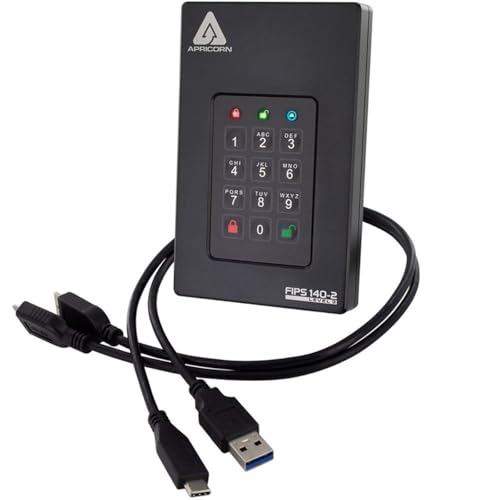
Apricorn 2TB Aegis Fortress L3- FIPS Level 3 Validated USB 3.0 Hardware Encrypted Portable Drive (AFL3-2TB) , black
Our fastest and most Rugged 256-bit AES XTS encrypted USB external drive
As an affiliate, we earn on qualifying purchases.
As an affiliate, we earn on qualifying purchases.

Advanced Windows DFIR Techniques: Mastering Memory Forensics, Registry Analysis, Event Logs, and Rapid Threat Containment on Windows Platforms
As an affiliate, we earn on qualifying purchases.
As an affiliate, we earn on qualifying purchases.