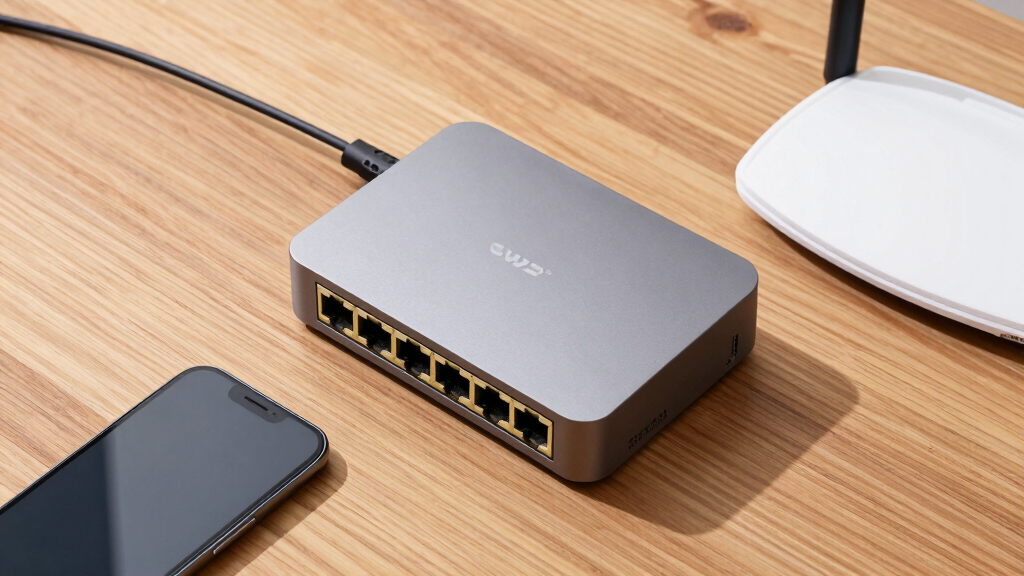

Finding the best hardware VPN gateway for site-to-site tunnels involves balancing performance, security, and ease of management. The InHand Networks IR302 stands out for industrial-grade reliability and LTE connectivity, making it ideal for remote sites. The SonicWall Firewall SSL VPN series offers robust security features with flexible licensing, suited for growing organizations. Meanwhile, the Zyxel ZyWALL USG100 provides a comprehensive security gateway with high VPN tunnel capacity, perfect for mid-sized networks. The main tradeoffs involve choosing between raw throughput, security features, and deployment complexity. Keep reading for a detailed comparison to help you find the best fit for your network needs.
Key Takeaways
- Top-performing options balance high VPN tunnel capacity with strong security features.
- Industrial-grade routers like InHand Networks excel in remote, rugged environments but come with higher complexity.
- Licensing models vary widely, impacting ongoing costs and scalability for small versus large deployments.
- Ease of setup and management greatly influences suitability for less technical users.
- Higher-priced models generally offer better throughput and advanced security, but smaller networks can opt for more affordable solutions.


More Details on Our Top Picks
InHand Networks IR302 Industrial IoT 4G LTE VPN Cellular Router, LTE Cat 4+ Wi-Fi, Dual sim Card Slots, Management by Cloud Platform, DI/DO Port, Support T-Mobile, AT&T & Verizon, UL Certification
This rugged router stands out for its embedded hardware watchdog and multi-layer link detection, which ensures continuous connectivity without on-site intervention. Compared with the Zyxel ZyWALL USG100, the IR302’s cellular backbone is ideal for remote locations lacking wired infrastructure, but it involves tradeoffs such as limited local wireless range and the necessity for cellular plans. Its dual SIM slots and enterprise-grade VPN support—including OpenVPN, IPsec, WireGuard, and ZeroTier—make it highly suitable for critical remote monitoring. However, its local Wi-Fi is basic, and configuration requires some network knowledge. This pick makes the most sense for organizations deploying IoT devices or digital signage in harsh, unattended environments where cellular resilience is paramount.
Pros:- Embedded hardware watchdog for automatic recovery during outages
- Supports multiple VPN protocols including WireGuard and ZeroTier
- Dual SIM slots with seamless carrier failover for reliable connectivity
- Rugged design with wide temperature tolerance
Cons:- Limited local Wi-Fi capabilities—802.11b/g/n only
- Requires cellular data plans, adding ongoing costs
- Setup complexity for non-technical users
Best for: Industrial operators managing remote sites like EV stations, ATMs, or vending machines needing ‘Always-on’ cellular connectivity.
Not ideal for: Small office networks or residential users who require Wi-Fi coverage and wired connections, as this model is ruggedized for harsh environments and cellular use only.
- Cellular LTE Category:Cat 4
- Wi-Fi Standard:802.11 b/g/n
- Number of Ethernet Ports:2
- Operating Temperature:-20°C to 70°C
- Power Supply:DC 9-36V
- VPN Protocols:OpenVPN, IPsec, WireGuard, ZeroTier
Bottom line: Ideal for remote, unattended industrial sites needing resilient cellular VPN connectivity, but not suited for simple office environments.
SonicWall Firewall SSL VPN – License – 5 Users (01-SSC-8630) – Secure Remote Access for Encrypted, Policy-Controlled Connectivity Across Any Device
This license is suited for small teams needing encrypted SSL VPN access with policy controls, making it a strong choice for remote workers or branch office security. Compared to the SonicWall Global VPN Client, it offers a simple clientless browser solution, but it lacks the full site-to-site IPsec capabilities of the latter. Its policy-based access and compatibility with Windows, macOS, and mobile devices make it flexible for diverse users, though it’s limited to five users, which might be restrictive for larger teams. It’s best for organizations prioritizing straightforward, encrypted remote access without complex configurations. However, it does not support site-to-site tunnels directly, making it less suitable for extensive branch-to-branch connectivity.
Pros:- Clientless, browser-based VPN for ease of use
- Granular policy controls for user, device, and time-based access
- Supports multiple platforms including mobile devices
- Enterprise-grade SSL encryption
Cons:- Limited to 5 users—less scalable for bigger teams
- Does not support site-to-site IPsec tunnels
- Requires SonicWall firewall infrastructure
Best for: Small businesses or teams needing policy-based, encrypted remote access for up to five users across various devices.
Not ideal for: Large enterprises or organizations requiring site-to-site VPN tunnels, as this license is limited to remote user access only.
- User Limit:5
- VPN Protocol:SSL
- Platform Support:Windows, macOS, Mobile
- Firewall Compatibility:Requires SonicWall firewall
- Encryption:SSL/TLS
- Policy Control:Granular
Bottom line: Perfect for small teams needing secure, policy-based remote access, but not designed for extensive site-to-site VPN deployments.
SonicWall Global VPN Client – License – 5 Licenses (01-SSC-5316) – Secure IPsec VPN Connectivity for Remote Work & Site-to-Site Access
This license provides robust IPsec VPN connectivity for up to five sites or remote users on Windows, making it suitable for organizations with a Microsoft-centric infrastructure. Unlike the SSL VPN license, it supports encrypted site-to-site tunnels, ideal for branch connectivity. Compared with the D-Link DSR-150, it offers enterprise-grade IPsec security but requires Windows compatibility, which limits flexibility for mixed OS environments. Its policy enforcement ensures secure access, but setup and management may require some network expertise. This makes it a solid choice for businesses needing reliable, encrypted site-to-site links using existing Windows-based VPN clients.
Pros:- Supports encrypted IPsec site-to-site and remote access
- High security with enterprise-grade encryption protocols
- Simple installation on Windows systems
- Enforces connection policies for security
Cons:- Limited to Windows OS—no Mac or mobile support
- Requires manual configuration for each site
- No clientless or browser-based VPN options
Best for: Organizations with Windows-based remote sites or branch offices seeking reliable IPsec VPN for site-to-site and remote access.
Not ideal for: Mixed OS environments or users needing clientless VPN access, as this client requires Windows installation and configuration.
- Number of Licenses:5
- VPN Protocol:IPsec
- Operating System:Windows
- Encryption Strength:Enterprise-grade
- Connection Type:Site-to-site and remote
- Policy Enforcement:Yes
Bottom line: Best suited for Windows-centric organizations requiring secure, encrypted site-to-site VPN links, but not for flexible or cross-platform environments.
Zyxel ZyWALL USG100 Unified Security Gateway Firewall w/50 VPN Tunnels, SSL VPN, 7 Gigabit Ports, and High Availability
This versatile device supports both SSL and IPsec VPNs, making it suitable for small to medium-sized networks with diverse remote access needs. Compared with the D-Link DSR-150, the USG100 offers more comprehensive security features, including high availability and integrated threat protection, but it involves a steeper setup process and higher cost. It’s ideal for offices requiring multiple VPN protocols and network segmentation via VLANs. The tradeoff involves complexity in configuration and the need for network expertise, but it delivers a robust security and VPN solution for SMBs that need flexible deployment options and high availability.
Pros:- Supports both SSL VPN and IPsec VPN tunnels
- High availability with redundancy features
- 7 Gigabit Ethernet ports for flexible connectivity
- Built-in threat protection and VLAN support
Cons:- Complex setup requiring network expertise
- Higher initial cost compared to simpler routers
- Overkill for small home networks
Best for: Small to medium enterprises seeking a multi-protocol VPN gateway with high availability and integrated security features.
Not ideal for: Home or very small networks that do not need advanced security or multiple VPN protocols, as the device is geared towards SMBs with technical staff.
- VPN Tunnels:50
- Ports:7 Gigabit Ethernet
- VPN Protocols:SSL, IPsec
- High Availability:Yes
- Security Features:Threat Protection, VLAN
- Device Type:Unified Security Gateway
Bottom line: Best for SMBs needing multi-protocol VPN support with high availability and security, though with increased complexity and cost.
D-Link VPN Router, 8 Port 10/100 with Dynamic Web Content Filtering (DSR-150)
The D-Link DSR-150 offers a straightforward, high-performance VPN router supporting up to 10 IPsec VPN tunnels and five GRE tunnels, making it suitable for small to medium businesses. Compared with the Zyxel USG100, it provides easier configuration and web content filtering, but it lacks the high availability and multi-protocol flexibility of the ZyXEL. Its eight 10/100 ports are sufficient for typical branch-office setups, although its lower port speed may be a bottleneck in high-throughput environments. This device makes sense for companies needing reliable VPN tunnels with web filtering, but it’s less suitable for very large or high-speed networks.
Pros:- Supports up to 10 IPsec VPN tunnels and 5 GRE tunnels
- Web content filtering for productivity control
- Easy to configure via browser interface
- Reliable performance for SMB networks
Cons:- Limited to 8 ports at 10/100 Mbps
- No high availability or advanced security features
- Lacks gigabit Ethernet ports
Best for: Small to medium businesses requiring VPN tunnels with web content filtering and straightforward management.
Not ideal for: Organizations needing high throughput, gigabit ports, or high availability features, as this model is more basic and limited in port speed.
- VPN Tunnels:10 IPsec, 5 GRE
- Ports:8 10/100 Ethernet
- Content Filtering:Yes
- Device Type:VPN Router
- Speed:100 Mbps
- Management:Web Browser
Bottom line: A reliable VPN router for SMBs with basic content filtering needs, but not ideal for high-speed or high-availability environments.
Cudy New Gigabit Multi-WAN VPN Router, Up to 4 Gigabit WAN Ports, SMB, Load Balance, Lightning Protection, PPTP L2TP WireGuard OpenVPN IPsec VPN Router
This router stands out for its support of up to four WAN ports, enabling effective load balancing that helps maximize bandwidth utilization. Compared with simpler single-WAN options, it offers redundancy and multi-line management, making it ideal for SMB environments needing stable, continuous connectivity. It supports multiple VPN protocols including OpenVPN, WireGuard, and IPsec, providing flexible secure tunneling options. However, its extensive feature set involves a steeper configuration curve and potentially higher management overhead compared to more user-friendly devices like the SonicWall SSL VPN. The device’s lightning protection and robust hardware support make it reliable during adverse weather, but its physical size and power requirements are less suited for compact setups. Overall, this pick makes the most sense for SMBs seeking a versatile, load-balanced VPN gateway that can handle complex internet requirements without sacrificing security or uptime.
Pros:- Supports up to 4 WAN ports for load balancing and redundancy
- Comprehensive VPN protocol support including WireGuard, OpenVPN, and IPsec
- Lightning protection enhances reliability during electrical surges
- Desktop metal casing suitable for varied environments
Cons:- Requires technical expertise for optimal setup and management
- Bulkier size may be unsuitable for space-constrained environments
- Higher cost compared to single-WAN VPN routers
Best for: IT managers at SMBs needing reliable load balancing and multiple VPN options for multi-site connectivity
Not ideal for: Home users or small offices with minimal internet complexity, due to its configuration complexity and size
- Number of WAN Ports:4
- VPN Protocols Supported:PPTP, L2TP, OpenVPN, WireGuard, IPsec
- Data Transfer Rate:1 Gbps
- Lightning Protection:Yes
- Device Type:Desktop
- Case Material:Metal
- Power Supply:Included
- Dimensions:4.68″L x 3.34″W x 1.1″H
Bottom line: This device is ideal for SMBs seeking a durable, load-balanced VPN gateway with extensive protocol options and redundancy features.
SonicWall Firewall SSL VPN – License – 1 User (01-SSC-8629) – Secure Remote Access for Encrypted, Policy-Controlled Connectivity Across Any Device
This license makes the most sense for small teams or remote workers requiring easy, clientless VPN access via browsers, without the need for complex hardware. Unlike the Cudy router, it offers a straightforward, policy-driven approach to secure external connections, with deep integration into LDAP, AD, or RADIUS for granular control. It supports Windows, macOS, and mobile platforms, making it versatile for diverse user bases. However, its single-user license limits scalability for larger teams, and it doesn’t include the hardware appliance, meaning additional investment is required for physical deployment. Compared to multi-WAN routers, it emphasizes security policy enforcement over bandwidth management or load balancing. It’s best suited for small offices prioritizing ease of use and policy control over raw throughput or multi-site VPN tunnels.
Pros:- Clientless browser-based VPN access simplifies deployment
- Full integration with LDAP, AD, and RADIUS for policy control
- Supports multiple OS including Windows, macOS, and mobile devices
- No dedicated hardware required for operation
Cons:- Limited to 1 user license, not scalable for larger teams
- Requires separate hardware or license purchase for full deployment
- Lacks load balancing and bandwidth management features
Best for: SMBs or remote teams requiring simple, browser-based VPN access with policy enforcement
Not ideal for: Large organizations or multi-site setups needing extensive load balancing or high throughput VPNs
- User Licenses:1
- Security Features:Encrypted VPN, Policy Control
- Platform Support:Windows, macOS, Mobile
- Connection Type:Clientless Browser-Based VPN
- Throughput:Not specified
- Management:Web & Mobile App
Bottom line: This license is perfect for small teams needing easy, policy-controlled VPN access without hardware complexity.
HPE Networking Instant On Secure Gateway SG1004 4-Port 1G Smart-Managed Gateway, 4X 1GBase-T, US Cord (S0G33A#ABA)
This device offers hardware-accelerated security and firewall features supporting up to 940 Mbps throughput, making it suitable for small to medium businesses needing robust network protection. Unlike the Cudy router’s focus on load balancing, the SG1004 emphasizes security and ease of management via web or mobile app, with guided setup for quick deployment. Its 4 Gigabit ports support wired connections, but it lacks multi-WAN support, limiting redundancy options. Compared with SonicWall’s licenses, it provides a hardware-based security solution without subscription fees, though it offers less flexibility in policy customization. It suits SMBs that prioritize straightforward security and high throughput over complex VPN configurations or load balancing.
Pros:- Hardware-accelerated firewall and IDS/IPS for high throughput
- Simple setup via web or mobile app, no subscription required
- Versatile deployment options: wall or under-desk mount
- Includes external power supply
Cons:- Limited to 4 ports with no multi-WAN support
- No VPN or load balancing features
- Less suited for highly complex multi-site VPN scenarios
Best for: SMBs seeking a secure, managed gateway with hardware acceleration for threat prevention
Not ideal for: Organizations needing multiple WAN ports for load balancing or extensive VPN features
- Ports:4x 1GBase-T
- Throughput:940 Mbps
- Security Features:Firewall, IDS/IPS
- Management:Web & Mobile App
- Mounting Options:Wall or Desk
- Warranty:2 years
Bottom line: Ideal for SMBs that need a straightforward, secure gateway with hardware-based threat protection.
SonicWall Firewall SSL VPN – License – 50 Users (01-SSC-8633) – Secure Remote Access for Encrypted, Policy-Controlled Connectivity Across Any Device
This license extends SonicWall’s robust security policies to larger remote teams, supporting up to 50 users with encrypted, policy-based VPN connections. Unlike the single-user license or hardware-focused options, it emphasizes policy enforcement and secure access across diverse devices, including mobile. It’s ideal for organizations with expanding remote workforces that require granular control over access rights. However, it does not offer load balancing, multi-WAN, or high throughput capabilities, making it less suitable for bandwidth-intensive or multi-site VPN scenarios. Compared to the Cudy router, it prioritizes security policy management over bandwidth management. This license makes the most sense for SMBs or remote teams looking for scalable, policy-driven VPN security with minimal hardware complexity.
Pros:- Supports up to 50 users for scalable remote access
- Granular policy enforcement with LDAP, AD, RADIUS integration
- Policy-controlled, encrypted VPN connections
- Supports multiple device types including mobiles
Cons:- No support for load balancing or multi-WAN
- Requires compatible hardware or separate appliance
- Limited to policy enforcement, not bandwidth management
Best for: SMBs with growing remote workforce requiring policy-based, encrypted VPN access
Not ideal for: Enterprises needing high throughput, load balancing, or extensive site-to-site VPNs
- User Capacity:50
- Security:Encrypted VPN, Policy Control
- Platform Support:Any Device
- Management:Policy Enforcement
- Throughput:Not specified
- License Type:SSL VPN License
Bottom line: Best suited for SMBs seeking scalable, policy-driven VPN security for multiple users without complex hardware demands.
InHand Networks IR302 Industrial IoT LTE 4G VPN Router,LTE Cat 1+ Wi-Fi, Dual sim Card Slots, Management by Cloud Platform, DI/DO Port, Support T-Mobile, AT&T & Verizon, UL Certification
This router excels for industrial or remote deployments requiring cellular connectivity combined with VPN security, supporting LTE Cat 1+ speeds and dual SIM slots for failover. Unlike the more traditional VPN gateways, it offers mobile broadband as a primary or backup Internet source, with support for advanced VPN protocols including OpenVPN. Its rugged design and cloud management make it suitable for remote sites, factories, or field operations. The device’s strong security features include firewall, user authorization, and VPN support, but it lacks the high throughput and load balancing capabilities of the Cudy router. Compared with wired-focused options like the SonicWall SG1004, it provides mobility and remote control, but with more limited wired throughput. It’s ideal for industrial environments needing reliable LTE backup with VPN security.
Pros:- Supports LTE Cat 1+ with dual SIM slots for failover
- Cloud-based management simplifies remote control
- Supports VPN and firewall for secure data transmission
- Rugged industrial design
Cons:- Limited maximum throughput (not specified but lower than wired solutions)
- No multi-WAN or load balancing features
- More expensive than basic wired VPN routers
Best for: Industrial or remote sites needing LTE-based VPN connectivity and rugged hardware
Not ideal for: Small office or enterprise environments with high bandwidth or multi-WAN needs
- LTE Support:Cat 1+
- SIM Slots:Dual
- VPN Protocols:OpenVPN, Firewall
- Management:Cloud Platform
- Ports:DI/DO
- Certifications:UL
- Device Type:Industrial LTE Router
Bottom line: This router is best for industrial or remote applications requiring LTE backup with VPN security and rugged hardware.
How We Picked
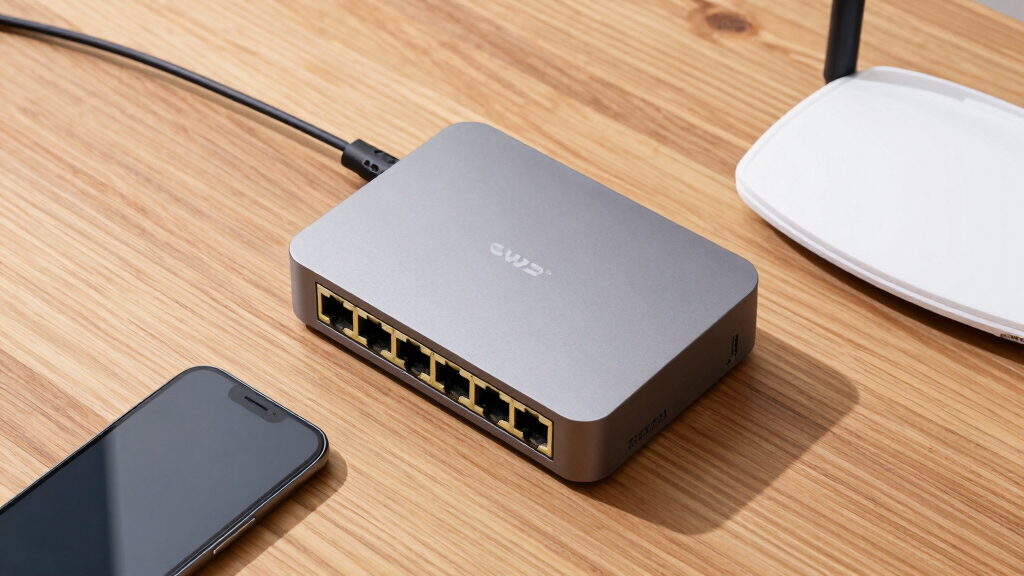
The products in this roundup were evaluated based on key performance metrics such as maximum VPN tunnel capacity, security features, and throughput. We also considered usability factors like setup complexity, management interfaces, and support options. Build quality and certifications were important for industrial and enterprise-grade devices, while cost-effectiveness was prioritized for small business solutions. Devices were ranked to reflect their suitability for different types of organizations, from small offices to large, security-critical networks. Our goal was to identify options that excel in real-world site-to-site VPN scenarios, balancing performance, security, and ease of deployment.Factors to Consider When Choosing Best Hardware VPN Gateway For Site-to-site Tunnels
Choosing the right hardware VPN gateway for site-to-site tunnels requires understanding several critical factors. Beyond raw speed, you should consider security protocols, scalability, and device management. A misstep often involves selecting a device that doesn’t support enough VPN tunnels or lacks essential security features, leading to future upgrades or security gaps. Budget considerations also influence whether you opt for high-end enterprise hardware or more affordable options. This guide highlights the key aspects to evaluate, helping you avoid common pitfalls and make a well-informed decision suited to your organization’s size and security needs.VPN Capacity and Throughput
One of the most important factors is how many site-to-site VPN tunnels the device can handle simultaneously and its overall throughput. Larger networks require high tunnel capacity to prevent bottlenecks, especially during peak usage. When evaluating, look for devices that not only meet current needs but can scale as your network grows. Keep in mind that high throughput is only beneficial if the device’s security features keep pace to prevent vulnerabilities.
Security Features and Protocols
Security remains paramount. The best hardware gateways support robust protocols like IPsec, IKEv2, and SSL/TLS. Additional features such as intrusion prevention, DPI (Deep Packet Inspection), and integrated firewalls enhance protection. For sensitive or regulated environments, hardware with certifications and hardware-based security modules can provide extra assurance. Be wary of devices with limited security options, as these could expose your network to risks.
Ease of Deployment and Management
Ease of setup and ongoing management significantly affect total cost of ownership. Devices with intuitive interfaces, cloud management options, or automation tools reduce configuration errors and maintenance time. For organizations with less specialized staff, simpler management systems are a clear advantage. Conversely, complex enterprise hardware may require dedicated IT teams, but offer deeper customization and control.
Scalability and Future-Proofing
Consider how well the device can grow with your organization. Will it support additional VPN tunnels, higher throughput, or new security protocols down the line? Modular designs or models with expandable features can save costs in the long term. Investing in a device that’s over-specified for current needs might be wise if you expect rapid growth or increased security demands soon.
Cost and Total Cost of Ownership
Initial purchase price is just one part of the expense. Licensing fees, support costs, and potential hardware upgrades all factor into the total cost of ownership. Cheaper models may save money upfront but could lack necessary features or scalability, leading to higher costs later. Conversely, premium devices often include support and updates, reducing long-term expenses and risk.
Frequently Asked Questions
How many VPN tunnels should my hardware support?
The number of VPN tunnels you need depends on the size of your network and future expansion plans. Small networks might only require a handful of tunnels, while larger organizations could need hundreds. Choosing a device with a capacity that exceeds your current requirements provides room for growth, minimizing the need for upgrades. Always verify the maximum tunnel capacity in the specifications to ensure it aligns with your planned deployment.
Is security more important than throughput for site-to-site VPNs?
Both security and throughput are vital, but security should take precedence, especially in sensitive environments. A device with strong encryption, advanced firewall features, and certifications offers peace of mind, even if it sacrifices some throughput. Conversely, high throughput without robust security can leave your network vulnerable. Striking the right balance depends on your organization’s risk profile and performance needs.
Can I upgrade a device’s VPN capacity later?
Most hardware VPN gateways have fixed capacities, so upgrades typically require replacing the device or adding new units. However, some enterprise-grade models support clustering or stacking, allowing you to expand capacity without replacing existing hardware. It’s essential to consider future growth when selecting a device, opting for scalable solutions that can accommodate increased VPN tunnels or throughput as needed.
Are industrial routers suitable for enterprise site-to-site VPNs?
Industrial routers like InHand Networks are designed for rugged environments and can handle specific security and connectivity needs. They excel in remote or harsh locations but may be overkill for standard office setups. These devices often come with advanced features and certifications, making them suitable for critical infrastructure but possibly more complex to manage. For typical enterprise sites, more conventional security gateways might offer easier deployment and management.
What security features should I look for in a VPN gateway?
Look for support of modern encryption protocols like IPsec and SSL/TLS, along with features such as intrusion detection, deep packet inspection, and hardware-based security modules. These features help protect against unauthorized access and cyber threats. Additionally, check for regular firmware updates and support for multi-factor authentication. A device with comprehensive security features ensures your site-to-site links remain confidential and tamper-proof.
Conclusion
For most organizations, the InHand Networks IR302 offers a compelling mix of industrial durability and LTE connectivity, making it ideal for remote or rugged sites. The SonicWall Firewall SSL VPN series is better suited for security-focused enterprises needing flexible licensing and comprehensive protection. Small businesses or those new to site-to-site VPNs should consider user-friendly options like the D-Link VPN Router for straightforward setup. Larger organizations with scalability needs will find the Zyxel ZyWALL USG100 a balanced choice, delivering high capacity and security. Ultimately, your selection hinges on your network size, security requirements, and future growth plans.