TL;DR
A hobbyist created a highly realistic fake home theater to deceive visitors. The project has gained viral attention, raising questions about authenticity and creativity in DIY setups.
A hobbyist has constructed a highly realistic fake home theater, designed to deceive visitors into believing it is an actual entertainment setup. The project has gone viral online, prompting widespread discussion about the boundaries of DIY creativity and deception. The creator has not disclosed whether it was intended as a prank or an artistic statement, but the attention underscores growing interest in customized home entertainment illusions.
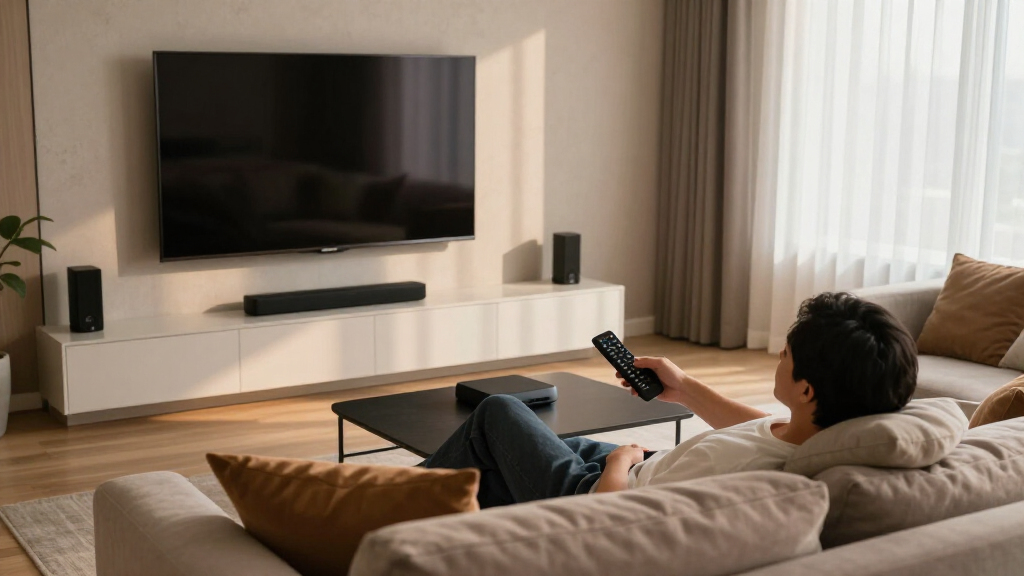
The individual, whose identity remains undisclosed, built the fake home theater using a combination of props, screens, sound equipment, and lighting to mimic a professional setup. The display includes a large screen, surround sound speakers, and faux seating, all arranged to appear authentic at first glance. The project was shared on social media platforms, where it quickly garnered thousands of views and comments.
According to the creator, the goal was to explore the limits of DIY fabrication and challenge perceptions of authenticity in home entertainment displays. The setup was designed to be convincing enough to fool visitors, with some initially believing it was a real theater before realizing it was a constructed illusion. The project has sparked debates online about the ethics and entertainment value of such deception, with some praising the creativity and others questioning the implications.
Experts in DIY and home entertainment have noted that while creating fake setups is not new, the level of realism achieved in this particular project is notable. The creator used lightweight materials, strategic lighting, and hidden mechanisms to enhance the illusion, making it a standout example of DIY craftsmanship combined with theatrical deception.
This project illustrates how individuals are pushing the boundaries of DIY creativity to produce highly convincing illusions, especially for social media audiences. It highlights a growing trend where authenticity is increasingly questioned online, and entertainment often blurs the line between reality and fabrication. The viral nature of this fake setup demonstrates how such projects can influence perceptions of home entertainment and inspire others to experiment with deception as a form of artistic expression or social commentary.
Furthermore, the incident raises questions about the ethics of deception in personal displays and the potential influence on viewers, especially younger audiences. It also underscores the importance of transparency and context when sharing such projects online to prevent misunderstandings or misinformation.
As an affiliate, we earn on qualifying purchases.
In recent years, there has been a surge in DIY projects aimed at creating impressive home entertainment setups, often shared widely on social media. This trend includes everything from custom gaming rooms to elaborate movie theaters built in garages or basements. The motivation behind these projects varies, with some enthusiasts seeking personal satisfaction, others aiming for social media fame, and some exploring artistic expression.
While most DIY efforts focus on authentic upgrades, a subset involves creating illusions or fake setups designed to fool viewers. Such projects have gained traction amid a broader culture of viral pranks and visual deception online. The current interest appears to be driven by a combination of curiosity about realistic illusions, the desire for social media engagement, and the playful challenge of outdoing previous efforts.
There is no confirmed link between this specific fake home theater project and any organized trend, but the spike in coverage and search interest suggests a broader curiosity about deception in home entertainment displays. The trigger for this particular project remains unconfirmed, and details about the creator’s intent are still emerging.
As an affiliate, we earn on qualifying purchases.
Unconfirmed Motivations and Future Plans for the Fake Setup
It is not yet clear whether the creator intended the fake home theater as a prank, an artistic statement, or a social experiment. Details about whether the project will be dismantled or expanded remain unknown, and the full scope of the creator’s future plans has not been disclosed.surround sound speakers for home theater
As an affiliate, we earn on qualifying purchases.
As an affiliate, we earn on qualifying purchases.
Potential Reactions and Broader Impact on DIY Trends
As the project continues to garner attention, it is expected that the creator may clarify their intentions or share additional details about the setup. The viral response could inspire similar projects or spark discussions about authenticity in digital and physical spaces. Experts anticipate that this case might influence how DIY enthusiasts approach illusion and deception, possibly leading to new trends in social media content creation.
Additionally, there may be increased scrutiny or debate about the ethics of sharing such illusions, especially if they are mistaken for real setups. The ongoing online conversation will likely shape future perceptions of authenticity and deception in home entertainment displays.
As an affiliate, we earn on qualifying purchases.
Key Questions
Was the fake home theater intended as a prank?
The creator has not publicly disclosed their exact motivation, so it remains unclear whether it was a prank, an artistic project, or a social experiment.
How realistic is the fake home theater?
According to viewers and DIY experts, the setup is highly convincing, using strategic lighting, props, and hidden mechanisms to mimic a professional theater.
Will the creator reveal more about the project?
There has been no official statement on future disclosures, but given the viral attention, it is possible the creator may share additional details or intentions soon.
Could this influence other DIY projects?
Yes, the project may inspire others to experiment with illusions and deception in home entertainment, especially in online communities focused on DIY and creative projects.
Source: rss