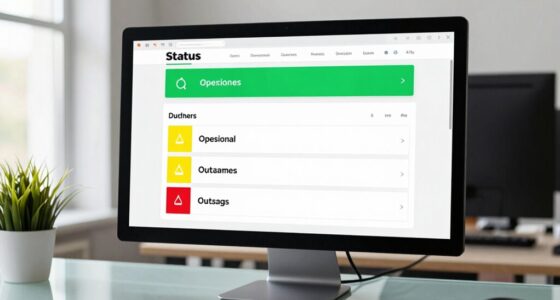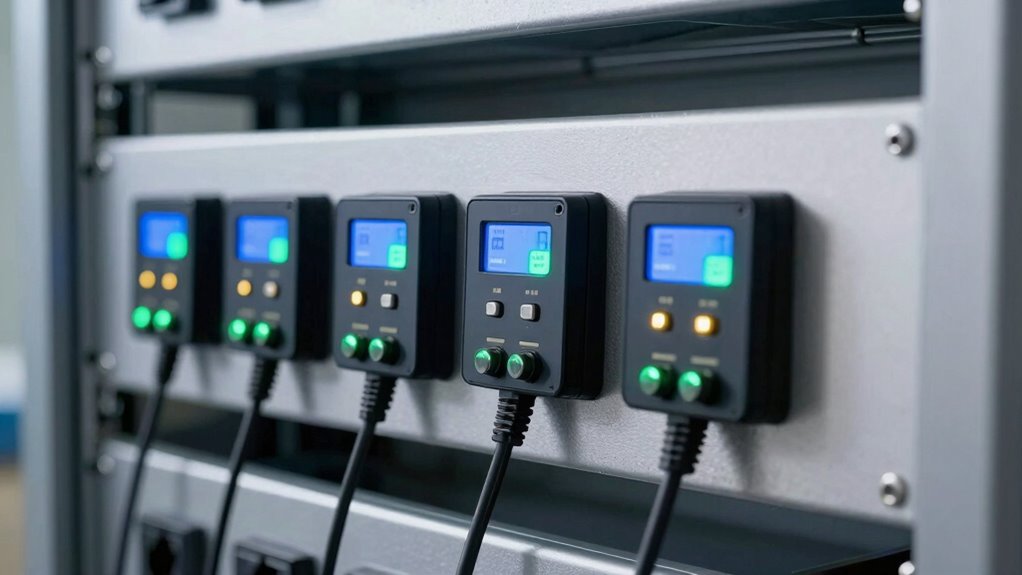
Outlet-level metering changes rack operations by giving you detailed, device-specific energy data. With this information, you can identify high energy-consuming devices and optimize their performance. It allows you to experiment with load configurations and make smarter adjustments to improve efficiency. This granular insight helps you balance loads better and plan upgrades strategically. If you want to explore how these precise measurements can further transform your operations, there’s more to uncover ahead.
Key Takeaways
- Enables precise identification of high-energy devices for targeted operational adjustments.
- Facilitates load balancing and optimization of rack performance based on detailed consumption data.
- Supports early detection of equipment issues, allowing for proactive operational interventions.
- Provides data-driven insights to fine-tune energy use, improving efficiency and reducing costs.
- Enhances decision-making for equipment upgrades and maintenance planning within racks.
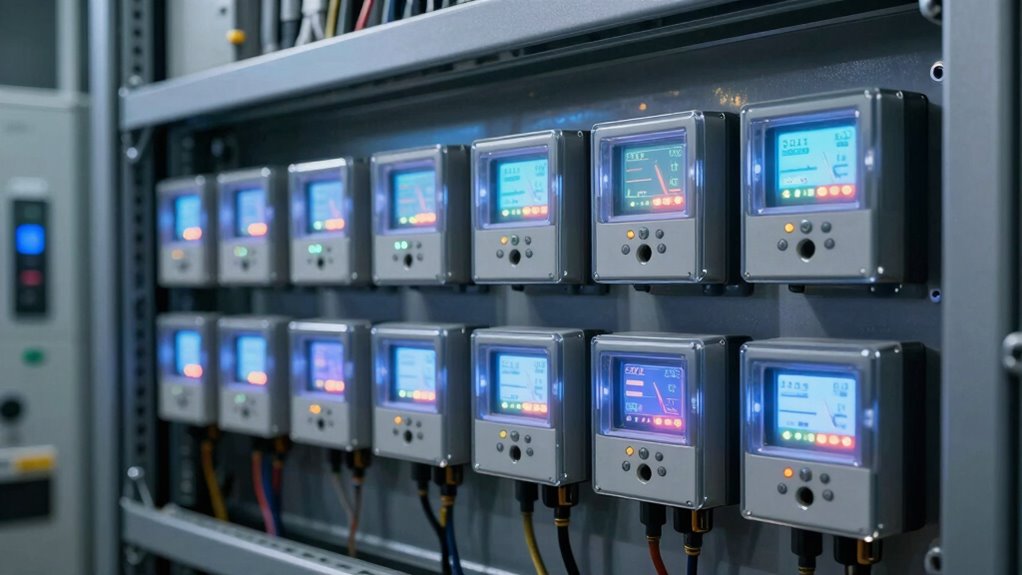
Implementing outlet-level metering changes can substantially improve how rack operations are monitored and managed. When you focus on precise measurement at each outlet, you gain a clearer picture of how your equipment consumes energy, allowing you to make smarter decisions to boost energy efficiency. Instead of relying on aggregate data that masks individual device performance, outlet-level metering provides detailed insights into each piece of equipment. This granularity helps you identify which devices are consuming more power than necessary, so you can target inefficiencies directly and reduce overall energy costs.
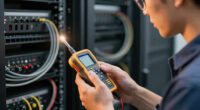
Beyond energy savings, outlet-level metering plays a vital role in equipment diagnostics. By continuously monitoring each outlet, you can detect abnormal patterns that signal potential issues before they escalate. For example, a sudden spike in power draw at a specific outlet might indicate failing hardware or inefficient operation. Catching these anomalies early allows you to schedule maintenance proactively, minimizing downtime and preventing costly repairs. Over time, this detailed data also helps you establish baseline performance levels, making it easier to spot deviations that could compromise your system’s reliability. Real-time data collection enhances your ability to respond swiftly to operational changes. Incorporating advanced measurement techniques ensures that your data remains accurate and meaningful for ongoing analysis.
Moreover, implementing these metering changes enables you to optimize rack operations more effectively. You can experiment with different loads and configurations, then analyze how each adjustment impacts energy consumption and performance. This iterative approach helps you fine-tune your setup for maximum efficiency, often revealing opportunities for load balancing or equipment upgrades that boost overall productivity. With detailed outlet-level data, you’re no longer flying blind—you make informed decisions grounded in real-time, actionable insights. Additionally, this level of detailed data can support predictive maintenance, further reducing unexpected outages. Using accurate measurement techniques ensures your data remains reliable and meaningful for ongoing analysis.
Another advantage is improved compliance and reporting. Many data centers and organizations face strict regulations around energy use and sustainability. Outlet-level metering simplifies the process of tracking and documenting energy consumption, making it easier to generate accurate reports. This transparency not only helps you meet regulatory requirements but also demonstrates your commitment to sustainability goals. Establishing a comprehensive monitoring system ensures that your organization can maintain transparency and accountability in energy management, which is increasingly important in today’s environmentally-conscious landscape. Stakeholders and clients increasingly value organizations that prioritize energy efficiency, and detailed metering data can serve as a powerful proof point.
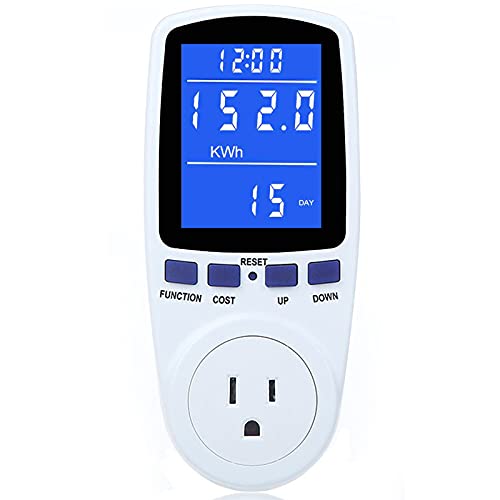
Upgraded Watt Power Meter Plug Home Electrical Usage Monitor Consumption, Energy Voltage Amps Kill Tester with Backlight, Overload Protection, 7 Modes Display
- Multiple Monitoring Parameters: Tracks power, energy, volts, amps, and more
- Clear Large LCD Display: 2.36 inch backlit screen with wide viewing angles
- Adjustable Backlight Duration: 5 backlight time options for convenience
As an affiliate, we earn on qualifying purchases.
As an affiliate, we earn on qualifying purchases.
Frequently Asked Questions
How Does Outlet-Level Metering Improve Energy Efficiency?
Outlet-level metering improves your energy efficiency by giving you precise data on energy consumption for each outlet. This allows you to identify and reduce unnecessary power usage, ultimately lowering overall energy costs. By controlling and optimizing individual outlets, you minimize waste, which directly decreases environmental impact. You gain better insights into your energy patterns, making it easier to implement targeted strategies for more sustainable and efficient energy use.
What Technical Challenges Are Involved in Implementing Outlet-Level Metering?
You face technical challenges like hardware integration, where connecting meters seamlessly to existing systems feels like fitting puzzle pieces together. Ensuring data accuracy is another hurdle, as tiny errors can cascade into big misreadings, like fog distorting a clear view. You must also manage complex wiring, calibration, and real-time data processing, all demanding precision and robust design to make outlet-level metering reliable and effective in your rack operations.
How Does Metering Impact Rack Maintenance Routines?
Metering impacts your rack maintenance routines by enabling fault detection at individual outlets, so you can quickly identify issues without unnecessary downtime. It helps you schedule maintenance more effectively, focusing on outlets showing abnormal readings, which reduces the risk of failures. This targeted approach minimizes disruptions, optimizes resource use, and guarantees your rack stays operational. Ultimately, metering streamlines your maintenance process, making it more proactive and efficient.
Are There Cost Implications for Upgrading to Outlet-Level Metering?
Upgrading to outlet-level metering can lead to significant cost savings by enabling precise energy consumption tracking, which helps identify inefficiencies. While infrastructure upgrades may initially seem costly, they often result in long-term savings through reduced energy waste and optimized operations. You’ll also benefit from better maintenance planning, lower utility bills, and the ability to allocate costs accurately, making the investment worthwhile over time.
What Training Is Required for Staff to Manage New Metering Systems?
You need to guarantee your staff receives thorough training on the new metering systems. This includes hands-on instruction with system operation, troubleshooting, and maintenance. Additionally, staff should obtain relevant system certifications to verify their competence. Proper training helps prevent errors, improves efficiency, and ensures safety. Regular refresher courses are also advisable to keep everyone updated on system features and best practices, ultimately supporting smooth rack operations and accurate energy monitoring.

9 Outlet Rack Mount Power Strip with Individual Switches, PDU Surge Protector 15A 125V 1875W, 1U Server Rack Power Distribution Unit with Overload Protection and Power Monitoring, 6.5FT Cord
- Heavy-Duty 9 Outlet PDU: Designed for 19" server racks
- Individual Switch Control: Illuminated switches for each outlet
- Overload Protection & Monitoring: Safeguards equipment with real-time data
As an affiliate, we earn on qualifying purchases.
As an affiliate, we earn on qualifying purchases.
Conclusion
By understanding how outlet-level metering alters rack operations, you can optimize efficiency and reduce waste. Embrace the change, knowing that “a stitch in time saves nine,” as timely adjustments prevent bigger issues down the line. When you adapt to these new metering practices, you’ll streamline your processes and improve overall performance. Remember, staying flexible is key—what’s new today becomes your foundation for success tomorrow.
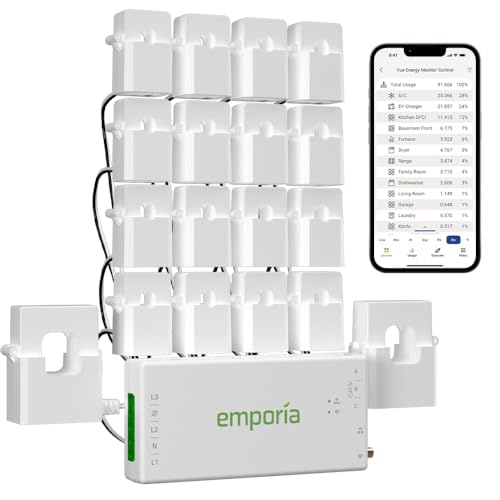
Emporia Vue 3 Home Energy Monitor – Smart Home Automation Module and Real Time Electricity Usage Monitor, Power Consumption Meter, Solar and Net Metering for UL Certified Safe Energy Monitoring
- UL Certified Safe Energy Monitoring: Certified for safety and reliability
- Easy Installation in Circuit Panel: Supports various home electrical systems
- Real-Time Energy Monitoring: 24/7 management and control
As an affiliate, we earn on qualifying purchases.
As an affiliate, we earn on qualifying purchases.
Upgraded Watt Power Meter Plug Home Electrical Usage Monitor Consumption, Energy Voltage Amps Kill Tester with Backlight, Overload Protection, 7 Modes Display
- Multiple Monitoring Parameters: Tracks power, energy, volts, amps, and more
- Clear Large LCD Display: 2.36 inch backlit screen with wide viewing angles
- Adjustable Backlight Duration: 5 backlight time options for convenience
As an affiliate, we earn on qualifying purchases.
As an affiliate, we earn on qualifying purchases.