Starting your network policy design with dependency mapping helps you understand how systems, applications, and services interact, enabling you to create precise, effective security rules. It highlights the connections that need control, reduces security gaps, and prevents overly broad or restrictive policies. By knowing dependencies, you can simplify management, troubleshoot more efficiently, and align security with operational realities. Keep exploring how dependency mapping can strengthen your network security and policy strategy even further.
Key Takeaways
- Dependency mapping reveals system interactions, ensuring policies are accurate and aligned with actual network relationships.
- It enables precise access control, reducing the attack surface by tailoring rules to real dependencies.
- Starting with dependency insights simplifies policy updates and troubleshooting as the environment evolves.
- It helps align security measures with operational realities, enhancing overall network resilience.
- Dependency mapping provides a solid foundation for effective traffic segmentation and security strategy.

Have you ever wondered how effective network policies are built and maintained in complex IT environments? The key lies in understanding the dependencies within your network. When designing policies, starting with dependency mapping allows you to see how different systems, applications, and services interact. This insight is vital because it helps you craft more accurate and efficient rules, especially when it comes to access control and traffic segmentation. Without a clear picture of dependencies, you risk creating policies that are either too broad, leaving security gaps, or too restrictive, hampering business operations.
By mapping dependencies first, you identify which systems truly need access to each other. This enables you to implement precise access control, granting permissions only where necessary and reducing the attack surface. Instead of blanket policies that open wide access, dependency mapping helps you tailor rules that reflect actual usage patterns, minimizing risks of lateral movement by malicious actors. It also clarifies how different network segments interconnect, guiding you in traffic segmentation efforts. Proper segmentation isolates sensitive data and critical systems, preventing potential breaches from spreading across the network. Recognizing these network relationships is essential for effective security planning and resource allocation.
Dependency mapping enables precise access control, effective traffic segmentation, and strengthened network security.
Starting with dependency mapping also simplifies ongoing policy management. As your environment evolves, you can easily update your policies to reflect new dependencies or changes in application architecture. This proactive approach helps avoid policy drift, where rules become outdated or inconsistent over time. It also enhances troubleshooting because you know exactly how systems depend on each other, making it easier to identify where issues originate and how to resolve them quickly. Additionally, understanding network topology enables better planning and optimization of your network resources. Establishing a clear dependency map allows teams to communicate more effectively and coordinate changes confidently. Incorporating dependency analysis into your security strategy ensures continuous alignment between your policies and your operational environment.
In essence, dependency mapping acts as the foundation for designing robust, scalable, and secure network policies. It ensures that access control is precise, traffic segmentation is meaningful, and your entire security posture aligns with your organization’s operational realities. Without it, you’re fundamentally navigating in the dark, risking misconfigurations, security breaches, and operational inefficiencies. Starting with dependency mapping isn’t just a best practice—it’s the smartest way to build a resilient network policy framework.
As an affiliate, we earn on qualifying purchases.
Frequently Asked Questions
How Often Should Dependency Maps Be Updated in Network Policy Design?
You should update dependency maps regularly, ideally every few months, to guarantee dependency visualization remains accurate. Frequent updates improve mapping accuracy, helping you identify changes in network connections or new dependencies that could impact policy effectiveness. Staying current with dependency visualization ensures your network policies adapt to evolving infrastructure, reducing vulnerabilities and improving security. Regular updates are essential for maintaining an accurate picture of your network’s dependencies and ensuring effective policy design.
What Tools Are Best for Creating Dependency Mappings?
You should use automation tools like SolarWinds, NetBrain, or Microsoft Visio for creating dependency mappings. These tools leverage visualization techniques to help you clearly see network relationships and dependencies. Automation speeds up the process, reduces errors, and keeps maps current. Visualization techniques make complex data more understandable, enabling you to design effective network policies. Regularly updating these maps with such tools guarantees your network remains secure and well-optimized.
How Does Dependency Mapping Improve Security in Network Policies?
You’re hitting the nail on the head—dependency mapping boosts security by revealing how different network components connect, allowing you to tighten access control precisely where needed. It helps you spot vulnerabilities and potential threat vectors before they become problems. With clear dependency insights, you can implement tailored policies to mitigate threats effectively, ensuring that only authorized devices communicate and reducing the risk of lateral movement during an attack.
Can Dependency Mapping Identify Hidden or Undocumented Network Connections?
Yes, dependency mapping can reveal hidden connections and undocumented links within your network. By visualizing all network interactions, you spot unexpected or overlooked connections that might pose security risks. This process helps you identify vulnerabilities caused by undocumented links, enabling you to address potential threats before they escalate. You gain a clearer understanding of your network’s true structure, empowering you to create more accurate, secure policies that cover all dependencies.
What Challenges Are Common When Implementing Dependency-Based Policies?
When implementing dependency-based policies, you often face challenges like access complexity, where understanding who needs what access becomes difficult, and policy ambiguity, which can lead to inconsistent enforcement. You might struggle to clearly define rules without causing disruptions or inadvertently blocking necessary connections. These hurdles demand careful planning and ongoing review, ensuring your policies remain precise and manageable as your network evolves.
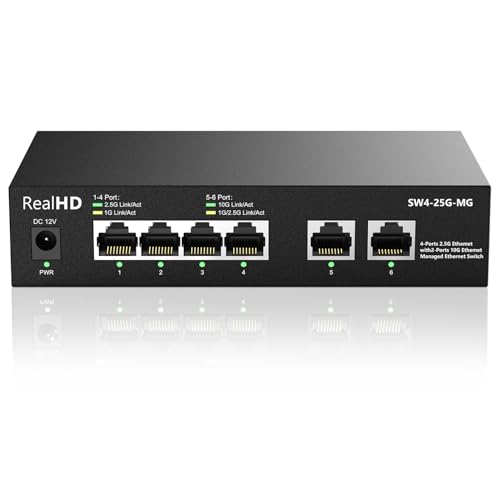
10Gb RJ-45 Ethernet Network Switch Web Managed, 2 x 10Gb RJ45 Ports, 4 x 2.5Gb Base-T Ports | Multi Gigabit Switch 1G / 2.5G | 60G Bandwidth | Fanless Metal Internet Switch for Wireless AP, NAS, PC
- High-Speed Ethernet Ports: 2 x 10G and 4 x 2.5G ports
- Supports 2.5G Ethernet Standard: Upgrade network to 2.5Gbps speeds
- Web-Based Management: Secure setup with VLAN, QoS, and more
As an affiliate, we earn on qualifying purchases.
As an affiliate, we earn on qualifying purchases.
Conclusion
By starting with dependency mapping, you gently set the stage for a more harmonious network policy design. It’s like laying a solid foundation beneath a delicate structure—ensuring everything aligns smoothly. Embracing this approach helps you avoid potential pitfalls and fosters a resilient, adaptable network. So, take that subtle step first; it’s a small gesture that can lead to big, lasting benefits. Your network will thank you for the thoughtful foresight.

SonicWall Global VPN Client – License – 50 Licenses (01-SSC-5313) – Secure IPsec VPN Connectivity for Remote Work & Site-to-Site Access
- Product License: 50 SonicWall VPN Licenses
- Secure VPN Access: Encrypted IPsec remote connections
- Reliable Connection: Consistent high-performance remote access
As an affiliate, we earn on qualifying purchases.
As an affiliate, we earn on qualifying purchases.
Critical Infrastructure System Security and Resiliency
- Condition: Used Book in Good Condition
As an affiliate, we earn on qualifying purchases.
As an affiliate, we earn on qualifying purchases.