

Access control logs are vital for maintaining security, yet many teams overlook their importance. These logs record every entry and exit, helping you verify who accessed the system and detect suspicious activity or tampering. Regularly reviewing logs can reveal patterns, identify threats early, and prevent breaches. By making log reviews a routine, you’ll turn these silent signals into proactive security tools. Keep exploring to discover how consistent checks can fortify your security measures even further.

Get business pricing on networking and server gear
- Business-only prices and quantity discounts
- Tax-exempt purchasing
- Multiple users, one account, clear invoices
Key Takeaways
- Many teams overlook regular review, missing early detection of tampering or unauthorized access.
- Access control logs provide critical security insights that can prevent breaches if properly analyzed.
- Routine review helps identify unusual activity patterns and system malfunctions before they escalate.
- Automated alerts alone are insufficient; manual log review ensures comprehensive security oversight.
- Consistent analysis of access logs enhances accountability and supports compliance efforts.
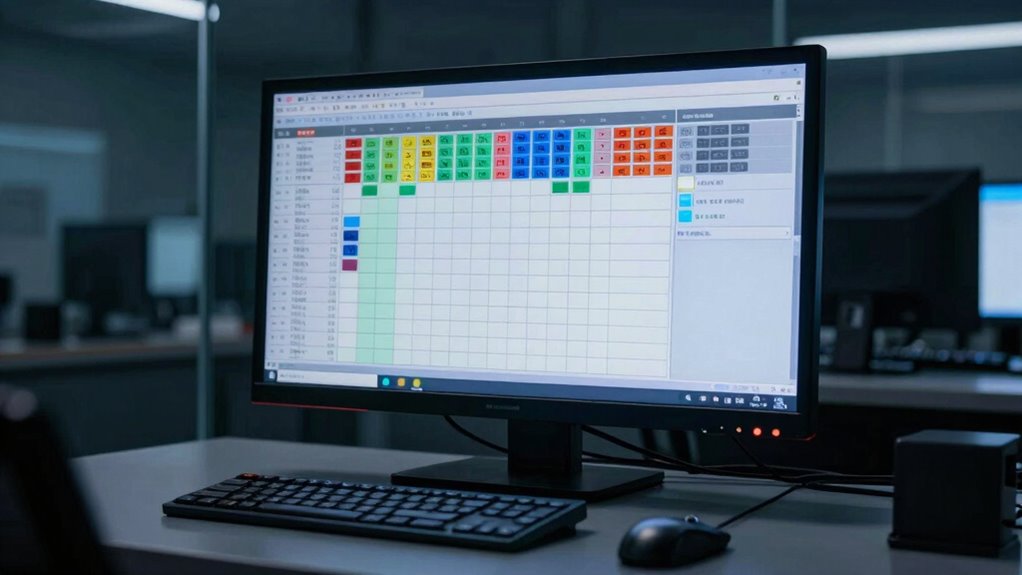
Access control logs are fundamental tools for monitoring and managing security within a facility or digital system. They record every entry and exit, providing a detailed trail that can be critical during security breaches or investigations. When you regularly review these logs, you gain valuable insights into who accessed specific areas and when, helping to verify user authentication and confirm authorized personnel are the only ones entering sensitive spaces. Neglecting this review can leave gaps in your security, as logs are often overlooked or dismissed after initial setup. Yet, these records aren’t just about tracking movement—they also serve as an indispensable component for equipment monitoring, alerting you to unusual activity that might indicate tampering or malfunction.
Regularly review access control logs to enhance security, verify user activity, and detect equipment issues early.
User authentication is a core aspect captured within access control logs. Each time someone uses their badge, PIN, biometric data, or other credentials to gain entry, the system records that event. By routinely analyzing these entries, you can verify whether user authentication protocols are functioning correctly. For example, if an employee’s access pattern suddenly changes or if someone attempts unauthorized access, the logs will reveal these anomalies. This proactive approach allows you to identify potential security threats early, preventing breaches before they escalate. Additionally, consistent review of user activity helps guarantee compliance with company policies and regulatory requirements, since you can always trace who accessed what and when.
Equipment monitoring is another critical function of access control logs. Modern systems don’t just track people—they also monitor the status of the hardware itself. If a door sensor fails, a security camera is disabled, or access points are tampered with, these events are typically logged. When you pay attention to these records, you can spot technical issues or suspicious behavior that might compromise your system’s integrity. For instance, repeated failed access attempts or unusual timing patterns could indicate an attempt at bypassing security measures. By integrating equipment monitoring within your review process, you ensure your physical security infrastructure remains functional and reliable, reducing the risk of unnoticed vulnerabilities. Incorporating security analytics can further enhance your ability to detect patterns and anomalies more effectively. Regularly reviewing these logs also helps in preventing security gaps from developing over time, especially when combined with other security measures. Implementing automated alerts can notify you immediately of suspicious activity, helping to respond swiftly before damage occurs. Understanding the log management process can streamline audits and incident investigations, making them more efficient and effective. Moreover, establishing a review schedule ensures that this critical task becomes a consistent part of your security routine, rather than an ad hoc activity.
Sadly, many teams overlook the importance of systematically reviewing access control logs. They may rely solely on real-time alerts or forget to analyze logs altogether. This oversight can cost you dearly, as it’s often during routine audits that security holes are uncovered. Making a habit of reviewing these logs ensures you stay aware of ongoing activity, maintain proper user authentication, and keep your equipment monitoring tight. Ultimately, these logs are more than just records—they’re a security signal that, when properly utilized, can profoundly bolster your overall safety. Ignoring them means risking unseen threats and missed opportunities for proactive security management.
access control log review software
As an affiliate, we earn on qualifying purchases.
As an affiliate, we earn on qualifying purchases.
Frequently Asked Questions
How Often Should Access Control Logs Be Reviewed?
You should review access control logs regularly, ideally daily or weekly, to detect unusual access patterns and monitor user behavior. Frequent reviews help you catch unauthorized activities early, ensuring your security measures are effective. By staying vigilant and analyzing access logs consistently, you can identify potential threats or insider risks, maintaining a secure environment. The more consistent your reviews, the better you can respond to security incidents promptly.
What Are Common Mistakes in Managing Access Control Logs?
Mismanaging access control logs may mean missing critical cues. You might overlook unusual user behavior or neglect automated alerting systems, causing security gaps. Avoid assumptions, always analyze logs diligently, and guarantee alerts are promptly responded to. Failing to review logs regularly, ignoring suspicious activity, or relying solely on automation without manual oversight can leave vulnerabilities. Stay vigilant by verifying user activities and maintaining a consistent review routine to fortify your security framework.
Can Access Control Logs Prevent Security Breaches?
Yes, access control logs can help prevent security breaches when you actively analyze behavioral analytics. By reviewing these logs regularly, you can spot unusual activity that signals insider threats or malicious intent. This proactive approach allows you to catch issues early, limiting damage. Ignoring these logs, however, leaves gaps in your security. So, make reviewing access control logs a priority to strengthen your defense against potential breaches.
How Long Should Access Logs Be Retained?
You should retain access logs for at least 90 days, ensuring you have enough historical data to spot anomalies or unauthorized user access. Imagine each log as a trail of footprints, telling a story of who entered and when. Proper log encryption safeguards this sensitive information, protecting user access details from tampering or theft. Keeping logs for the right duration and encrypting them keeps your security strong and trustworthy.
What Tools Assist in Analyzing Access Control Logs?
You can use automated analysis tools like SIEM (Security Information and Event Management) systems, which help you sift through access control logs efficiently. These tools perform threat detection by identifying unusual access patterns, unauthorized attempts, or anomalies. Automated analysis saves you time, enhances security, and guarantees you don’t miss critical signals hidden within logs. Regularly utilizing these tools keeps your security posture strong and proactive against potential threats.
As an affiliate, we earn on qualifying purchases.
Conclusion
Don’t overlook your access control logs—they’re the silent sentinels of your security. Regularly reviewing these logs is like having a modern-day Sherlock Holmes, uncovering hidden threats before they escalate. Ignoring them is a grave mistake, reminiscent of the Tower of Babel’s downfall—overconfidence in chaos. Stay vigilant, be proactive, and treat your logs as your most trusted allies. After all, in the domain of security, foresight beats hindsight every time.
As an affiliate, we earn on qualifying purchases.
security camera with activity logs
As an affiliate, we earn on qualifying purchases.
As an affiliate, we earn on qualifying purchases.
Halloween Picks
halloween
As an affiliate, we earn on qualifying purchases.