

Resilience plans often fail because they lack a compelling recovery narrative that unites efforts and inspires trust. Without a clear story, it’s hard for communities to connect emotionally or see the purpose behind actions. A strong narrative fosters shared ownership and confidence, motivating people to participate actively. Including local insights and risk assessments makes the story credible and relevant. Keep exploring how crafting a meaningful recovery story can transform resilience strategies into real, collective progress.

Get business pricing on networking and server gear
- Business-only prices and quantity discounts
- Tax-exempt purchasing
- Multiple users, one account, clear invoices
Key Takeaways
- Lack of emotional resonance makes resilience efforts feel disconnected and less motivating for communities.
- Absence of a compelling story reduces community engagement and shared ownership of recovery efforts.
- Without a narrative, plans may seem static, impeding momentum and stakeholder commitment.
- Missing a clear story diminishes trust, making it harder to rally support and coordinate actions.
- Without a recovery narrative, resilience initiatives lack context, reducing their perceived relevance and effectiveness.
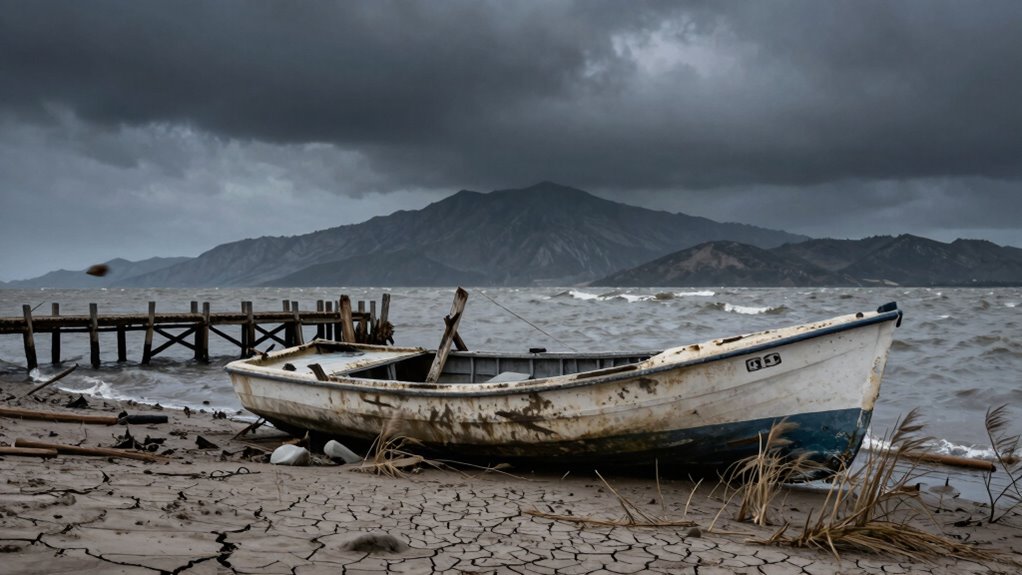
While many organizations develop resilience plans to prepare for crises, these strategies often fall short without a compelling recovery narrative. A plan might outline responses and allocate resources, but without a story that connects your team and community, those efforts can feel disconnected and ineffective. To truly bounce back from adversity, you need more than just a checklist—you need a narrative that inspires confidence and clarifies purpose. This is where community engagement becomes crucial. When you actively involve your community in shaping your resilience story, you foster trust and shared ownership. People are more willing to support and participate when they see their voices and concerns reflected in the recovery plan. Community engagement transforms a static document into a living, breathing story of collective resilience, making recovery efforts more inclusive and sustainable.
Equally important is conducting a thorough risk assessment. You might have a detailed plan, but if it’s based on outdated or incomplete data, your recovery narrative loses credibility. Risk assessment helps you understand the specific threats you face, from natural disasters to economic downturns, and tailor your story accordingly. When you identify vulnerabilities early, you can craft a compelling narrative that addresses real challenges with targeted solutions. It’s about framing the recovery as a strategic journey, emphasizing how your organization and community will navigate through uncertainties. Incorporating comprehensive data from proper risk assessments ensures your recovery story is credible and grounded in reality. This process also highlights the importance of accurate information in building trust and guiding decision-making. Additionally, a well-informed risk assessment can uncover hidden vulnerabilities that might otherwise be overlooked, ensuring your recovery narrative is thorough and realistic. Recognizing the value of indigenous knowledge can further enrich your understanding of local vulnerabilities and strengths, making your story more authentic and culturally relevant. Moreover, integrating local insights into your risk assessment can lead to a more nuanced and effective recovery strategy.
Without a clear recovery narrative, resilience plans risk becoming mere technical documents that lack emotional resonance. People need to see their role in the story; they need to understand not just what’s being done, but why it matters. When your narrative emphasizes community strength, shared values, and collective goals, it fosters a sense of purpose. Risk assessment feeds into this story by providing the facts that underpin your strategy, making your recovery efforts credible and relatable. A well-crafted narrative aligns everyone’s efforts, from local residents to organizational leaders, creating a cohesive approach to crisis management. Without it, even the best-laid resilience plans can falter because they lack the human element that drives engagement and commitment. Ultimately, your recovery story makes resilience real, inspiring action and fostering hope amidst adversity.
Products Worth Considering

Bose QuietComfort Ultra Wireless Noise-Cancelling Headphones with Spatial Audio, Black

DJI Osmo Mobile 8 3-Axis Phone Gimbal Stabilizer

Samsung Galaxy Tab S10 FE 128GB Wi-Fi Android Tablet, Blue
As an affiliate, we earn on qualifying purchases.
Frequently Asked Questions
How Does a Recovery Narrative Differ From a Resilience Plan?
A recovery narrative differs from a resilience plan because it uses storytelling strategies to emotionally engage you, making the recovery process relatable and inspiring. While a resilience plan outlines practical steps to withstand future stresses, a recovery narrative emphasizes personal stories and emotional connections. This approach helps you understand the journey, fostering hope and motivation, which are essential for long-term resilience and effectively motivating action during and after crises.
Can Resilience Plans Succeed Without Community Involvement?
Resilience plans can struggle without community involvement. You need active community engagement and stakeholder collaboration to guarantee diverse perspectives are included, making the plan practical and accepted. When communities participate, they feel ownership and are more committed to the recovery process. Without their input, plans may overlook local needs, leading to reduced effectiveness and lower chances of successful implementation during crises.
What Are Common Mistakes in Developing Recovery Narratives?
You might craft recovery narratives that focus solely on facts, but neglect emotional storytelling and cultural relevance. This mistake creates a disconnect, making the story feel distant or unrelatable. Instead, weave emotional depth into your narrative, honoring cultural nuances. Failing to do so risks alienating your audience. Remember, a compelling recovery story must resonate emotionally and culturally, ensuring it inspires hope and collective resilience rather than indifference.
How Long Does It Typically Take to Develop an Effective Recovery Narrative?
It typically takes several weeks to develop an effective recovery narrative through storytelling. You need time to gather insights, craft emotional engagement, and refine your message. During this process, you focus on integrating narrative storytelling techniques that resonate emotionally with your audience. Rushing can weaken emotional impact, so invest the necessary time to build a compelling story that inspires resilience and clearly communicates your recovery goals.
Is a Recovery Narrative Necessary for All Types of Crises?
A recovery narrative isn’t always necessary for every crisis, but it’s highly valuable when cultural context and personal stories matter. If a crisis affects a community’s identity or individual experiences, sharing personal stories helps foster understanding, trust, and resilience. In such cases, a narrative guides recovery, connects people emotionally, and respects cultural nuances. For non-personal or technical crises, a clear plan might suffice without a detailed recovery story.
Conclusion
Without a compelling recovery narrative, your resilience plan risks falling flat. It’s not just about bouncing back; it’s about inspiring confidence and guiding your team through uncertainty. Did you know that organizations with a clear recovery story are 40% more likely to successfully navigate crises? Crafting that narrative helps you turn setbacks into opportunities, ensuring your resilience efforts truly stick. Without it, even the best plans can lose their impact and leave you unprepared for what’s ahead.