

To write security measures that match real operations, start by mapping your workflows to understand how information flows and where vulnerabilities may exist. Tailor policies, access controls, and responsibilities to your organization’s specific risks and daily routines. Incorporate practical scenarios, regularly update protocols, and train your team to recognize real-world threats. Use ongoing monitoring to refine your strategies over time. If you want to guarantee your security measures truly fit your organization, keep exploring these essential steps.
Key Takeaways
- Tailor security policies to reflect actual workflows and operational environments.
- Incorporate specific procedures, responsibilities, and behaviors relevant to daily tasks.
- Regularly review and update controls based on evolving organizational risks and scenarios.
- Use real-world threat simulations and drills to validate and refine security measures.
- Engage staff through ongoing training to ensure security practices are understood and practically applied.

In today’s complex operational landscape, security measures must be more than just theoretical protocols—they need to align directly with real-world scenarios. When you’re designing security strategies, it’s essential to consider how policies translate into practical actions that prevent threats without hindering productivity. This means developing cybersecurity policies that are clear, actionable, and tailored to your organization’s specific risks. These policies should specify the procedures, responsibilities, and acceptable behaviors for everyone involved, ensuring that each team member understands their role in maintaining security.
Effective security strategies align policies with real-world actions to prevent threats without disrupting productivity.
Equally important are access control protocols, which serve as the first line of defense against unauthorized entry. Instead of relying on generic access rules, you need protocols that reflect your operational reality. For example, if certain departments handle sensitive data, your access controls should enforce strict permissions only for those who genuinely need access. This involves implementing multi-factor authentication, role-based access controls, and regular reviews of permissions to prevent privilege creep. By aligning access controls with daily operational patterns, you minimize vulnerabilities without creating unnecessary bottlenecks. Additionally, understanding your security landscape helps in designing more effective measures that are rooted in actual threat environments.
To effectively match security measures to real operations, you should start by mapping out your workflows. Understand how information flows through your organization, identify critical assets, and pinpoint potential points of failure. From there, you can craft cybersecurity policies that address specific threats you face—be it phishing attacks, insider threats, or system breaches. When policies are grounded in your actual environment, they’re not just theoretical guidelines; they become practical tools that guide daily decision-making and incident response. Incorporating security tools that monitor and log activity can help you verify that your controls are functioning as intended. Regularly updating these tools ensures they stay effective against evolving threats. Moreover, aligning your security measures with your operational realities enhances overall resilience and reduces the likelihood of security gaps. Recognizing emerging threats and adapting your strategies accordingly is crucial for maintaining a strong security posture over time.
Implementing these measures also requires ongoing training and communication. Make sure everyone knows how the policies and access control protocols work in practice. Conduct regular drills and updates to keep security top of mind, and adapt your strategies as your organization evolves. Real-world alignment also involves monitoring and logging. Use security tools that provide insights into how policies are enforced and whether access controls are effective in your operational context. When you analyze this data, you can fine-tune your measures to better match the actual risks you face daily.
Ultimately, the goal is to create a security framework that not only exists on paper but also seamlessly integrates into your organization’s routine. By grounding cybersecurity policies and access control protocols in real operational scenarios, you reduce vulnerabilities, improve response times, and foster a security-conscious culture that adapts dynamically to your specific needs.
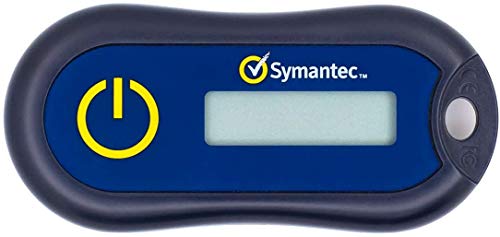
Symantec VIP Hardware Authenticator – OTP One Time Password Display Token – Two Factor Authentication – Time Based TOTP – Key Chain Size
- Compliance: Standard OATH TOTP compliant
- OTP Code: 6-digit code with countdown
- No Software Needed: Zero installation required
As an affiliate, we earn on qualifying purchases.
As an affiliate, we earn on qualifying purchases.
Frequently Asked Questions
How Often Should Security Measures Be Reviewed for Effectiveness?
You should review security measures at least annually, but more frequently if there are significant changes in your operations or technology. Conduct regular security audits to identify vulnerabilities and guarantee compliance standards are maintained. Staying proactive helps you adapt to new threats and maintain effective security. By routinely evaluating your measures, you ensure they remain aligned with your business needs and regulatory requirements, reducing risks and strengthening your overall security posture.
What Tools Are Best for Monitoring Real-Time Security Operations?
You need the best security tools for real-time monitoring that can catch threats faster than a speeding bullet. Tools like SIEM systems, intrusion detection systems, and endpoint security solutions are essential for instant threat detection and response. They provide continuous, real-time visibility into your operations, allowing you to act immediately. With these tools, you transform your security posture from reactive to proactive, ensuring you’re always a step ahead of potential attacks.
How Do You Train Staff to Follow Security Procedures Effectively?
You train staff to follow security procedures effectively by focusing on employee awareness and engaging training simulations. Start with clear, consistent communication about security protocols and the importance of their role. Use realistic training simulations to help them practice responses in controlled environments, reinforcing good habits. Regular refreshers keep awareness high, ensuring staff stay prepared for real security incidents and follow procedures confidently.
What Are Common Pitfalls When Aligning Security With Operations?
You risk sailing into treacherous waters if you overlook common pitfalls like security complacency and policy gaps. When security measures don’t evolve with your operations, they become brittle, like a cracked shield. This disconnect leaves vulnerabilities that hackers exploit. To navigate safely, you must continuously align policies with real-world activities, closing gaps before they become open doors for threats, ensuring your defenses are as adaptable as the challenges you face.
How Can Security Measures Adapt to Evolving Threats?
You can adapt security measures to evolving threats by continuously incorporating threat intelligence into your strategy. Regularly update your incident response plans based on new threat data, ensuring your team responds swiftly to emerging risks. Stay informed through industry alerts and threat feeds, and train your staff to recognize and react to new attack techniques. This proactive approach keeps your security measures effective against the ever-changing landscape of cyber threats.

An application of role-based access control in an Organizational Software Process Knowledge Base
As an affiliate, we earn on qualifying purchases.
As an affiliate, we earn on qualifying purchases.
Conclusion
By blending bold, practical policies with precise, proactive procedures, you create a security system that truly matches your operations. Stay vigilant, vigilant, and versatile, ensuring your measures are both meaningful and manageable. When you tailor tactics to your team’s daily tasks, you build a fortress of flexibility and fortitude. Remember, security isn’t static—it’s a strategic, steady, and seamless shield that safeguards your success every step of the way.
security monitoring and logging tools
As an affiliate, we earn on qualifying purchases.
As an affiliate, we earn on qualifying purchases.
As an affiliate, we earn on qualifying purchases.