
To compare contract language effectively, focus on key provisions like payment terms, deadlines, and liability. Take your time and examine each section carefully, highlighting differences that could affect obligations. Use side-by-side charts or notes to spot subtle wording changes, especially in boilerplate language. Question vague terms and consider their real-world implications. If you keep exploring, you’ll discover even more tips for steering through the complexities and protecting your interests.
Key Takeaways
- Focus on key provisions like payment terms, deadlines, and liabilities to streamline comparison efforts.
- Use side-by-side charts or notes to visually identify differences and subtle wording changes.
- Clarify vague terms by seeking interpretations that favor your position or requesting detailed explanations.
- Pay attention to boilerplate language and how standard clauses differ across contracts.
- When in doubt, consult legal professionals to ensure accurate understanding and risk assessment.
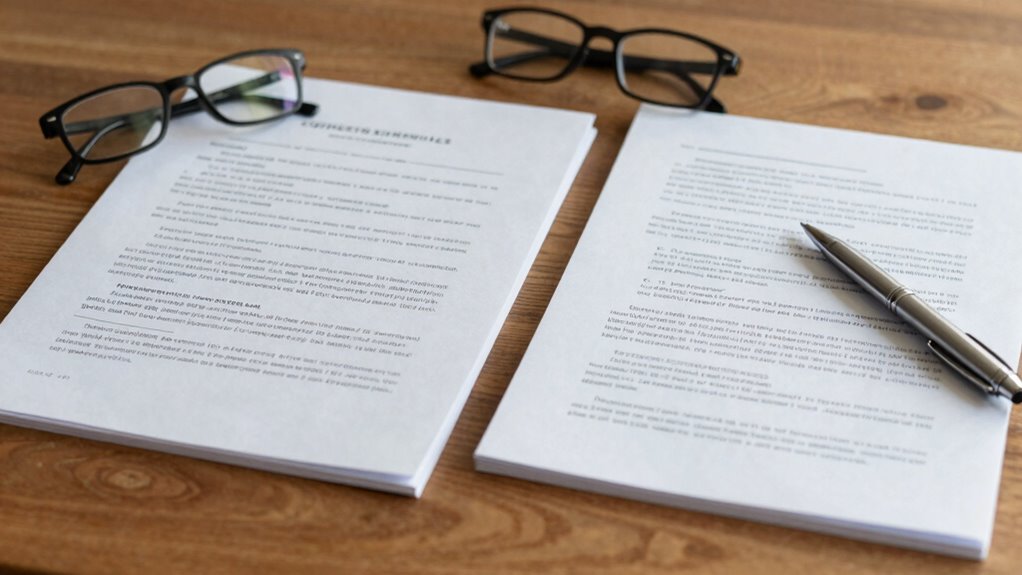
When reviewing contracts, understanding how to compare their language effectively is essential to protect your interests. Contracts are often filled with subtle differences in wording, called contract language nuances, that can significantly impact your rights and obligations. Recognizing these small but critical distinctions allows you to identify potential risks or benefits before signing. To do this efficiently, focus on clarity in legal terminology. Clear legal terminology helps prevent misunderstandings, so you’re not left deciphering complex or ambiguous language that could be exploited later.
Begin by carefully reading each contract line by line. Don’t rush through it; instead, look for key provisions that relate to your primary concerns—payment terms, deadlines, liability clauses, or termination conditions. When comparing these sections, pay close attention to the specific language used. Even a slight change in wording, such as “may” versus “shall,” can alter the enforceability of a clause. “May” suggests discretion, while “shall” indicates obligation, which can have serious implications if disputes arise.
Carefully review key provisions and compare wording like “may” versus “shall” to understand enforceability and obligations.
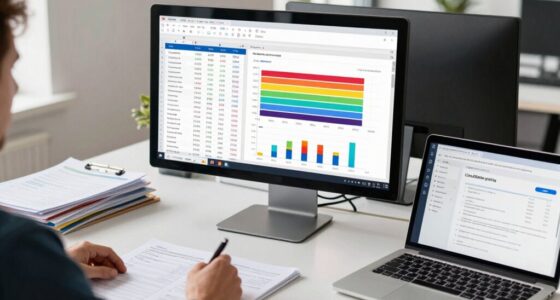
To streamline your comparison, create a side-by-side chart or notes highlighting similar clauses. This visual approach helps you see differences at a glance, making it easier to spot contract language nuances that could impact your position. As you do this, ensure that the legal terminology is clear and accurate. If a term is vague—like “reasonable efforts” or “as soon as possible”—ask for clarification or consider how these vague terms could be interpreted in your favor or against you. legal terminology clarity reduces the chances of ambiguity and potential legal disputes down the line.
It’s also crucial to pay attention to boilerplate language—standard provisions that often appear in many contracts. Sometimes, these sections contain subtle language differences that can shift responsibilities significantly. Comparing these standard clauses helps you understand what’s typical and what’s specific to your agreement, giving you insight into potential pitfalls. Additionally, understanding contract language nuances can help you better anticipate how different clauses might interact or be enforced in various situations. Recognizing the importance of precise legal language can further aid in avoiding misunderstandings that often lead to disputes. Moreover, familiarity with common contract drafting techniques can assist in identifying inconsistencies or overly broad terms that could be exploited.
Lastly, don’t hesitate to seek professional advice if you find yourself overwhelmed or uncertain. A legal expert can help you interpret complex language, spot hidden risks, and ensure that the contract’s language aligns with your best interests. Remember, effective comparison isn’t just about reading words; it’s about understanding their meaning, implications, and how they fit into the broader legal framework. By paying attention to contract language nuances and ensuring legal terminology clarity, you’ll be better equipped to make informed decisions and avoid turning your contract review into a confusing legal maze.
contract comparison side-by-side chart
As an affiliate, we earn on qualifying purchases.
As an affiliate, we earn on qualifying purchases.
Frequently Asked Questions
How Can I Identify Ambiguous Language in Contracts?
To spot ambiguous language, you should look for vague terms or unclear phrases that lack precision. Focus on legal jargon that could be interpreted differently and check if the clause clarity is consistent throughout the contract. Ask yourself if the language could lead to multiple interpretations, and consider rewriting confusing sections for clarity. Being thorough helps guarantee you understand the contract fully and avoid potential misunderstandings or legal disputes later on.
What Tools Assist in Comparing Contract Clauses Effectively?
Imagine you’re reviewing two contracts for a vendor agreement. Automated comparison tools streamline clause analysis, highlighting differences instantly. These tools help you spot inconsistencies or ambiguous language, saving time and reducing errors. Software like Contract Express or Workshare Compare enables side-by-side comparisons, making it easier to understand variations. By leveraging automated comparison, you can confidently assess contract clauses, ensuring clarity and alignment without drowning in legal jargon.
How Do I Prioritize Which Contract Terms to Compare?
You should prioritize contract terms based on risk factors and negotiation strategies. Focus first on clauses that pose the greatest legal or financial risks, like indemnities or termination rights. Then, compare provisions that influence your negotiation leverage, such as payment terms or dispute resolution. By doing this, you guarantee you address critical issues first, minimizing potential liabilities and strengthening your position during negotiations.
What Common Mistakes Should I Avoid When Reviewing Contracts?
When reviewing contracts, avoid common mistakes like getting lost in legal jargon or relying solely on contract templates without customization. You might overlook critical clauses or misinterpret terms, so read carefully and ask questions. Don’t assume templates cover everything; tailor them to your needs. Stay vigilant about ambiguous language and make sure all important provisions are clear. Always double-check the language to prevent misunderstandings or legal issues down the line.
How Can I Ensure Consistency Across Multiple Contract Versions?
To guarantee consistency across multiple contract versions, focus on contract language clarity and implement robust version control strategies. Use clear, precise language throughout all documents, and keep detailed records of each version. Regularly compare drafts side-by-side, noting any discrepancies or updates. Establish a centralized system for managing revisions, and communicate changes clearly to all stakeholders, preventing confusion and maintaining uniformity across all contract iterations.

Oxford FocusNotes Writing Pad, Clear Note-Taking System, 8.5 x 11 Sheets, Guided Note, Cue & Summary Sections, 50 Sheets, Professional School and Office Notepad, Proudly Made in the USA
- Note-Taking System: 3-step dedicated sections for notes, cues, summaries
- Guided Layout: Divided sections for main ideas and reviews
- Large Writing Space: 8.5 x 11 inch pages for detailed notes
As an affiliate, we earn on qualifying purchases.
As an affiliate, we earn on qualifying purchases.
Conclusion
By breaking down contract language into clear, manageable parts, you make comparison straightforward rather than overwhelming. Focus on key clauses, identify differences, and ask yourself what each term really means for you. Are you prepared to navigate the legal maze, or will you take control of the process? Remember, understanding your contract isn’t just about avoiding mistakes — it’s about empowering yourself to make informed decisions. So, why leave your agreements to chance when clarity is just a comparison away?

Contract Req Software Requirements Analysis Version 1: A C-BASS Component
As an affiliate, we earn on qualifying purchases.
As an affiliate, we earn on qualifying purchases.

Real Estate Transaction Log Book for Realtors, Closing Checklist & Deal Tracker with Deadlines & Document Tracking – Life Charge
- Complete Transaction Log Book: Tracks deals from offer to closing
- Built-in Closing Checklist: Monitors inspections, financing, and deadlines
- Instant Transaction Snapshot: Quickly references client and property details
As an affiliate, we earn on qualifying purchases.
As an affiliate, we earn on qualifying purchases.