To turn cloud billing data into executive insights, start by categorizing expenses by project, department, or service to identify areas of overspending or underutilization. Use visual dashboards and reports to make complex data easily understandable and track cost trends over time. Analyze vendor performance and detect anomalies to optimize supplier relationships. Regularly review this data to support strategic decisions, negotiate better deals, and maximize savings—exploring these strategies further will help you reveal greater value from your cloud investments.

Get business pricing on networking and server gear
- Business-only prices and quantity discounts
- Tax-exempt purchasing
- Multiple users, one account, clear invoices
Key Takeaways
- Categorize expenses by project, department, or service to identify overspending and underutilized resources.
- Use data visualization tools like dashboards to present cost trends and performance metrics clearly.
- Analyze vendor performance and billing anomalies to inform negotiations and optimize vendor relationships.
- Integrate billing data with operational metrics for comprehensive insights into cloud impact on business goals.
- Automate reporting to ensure regular, real-time updates for executive decision-making and strategic planning.
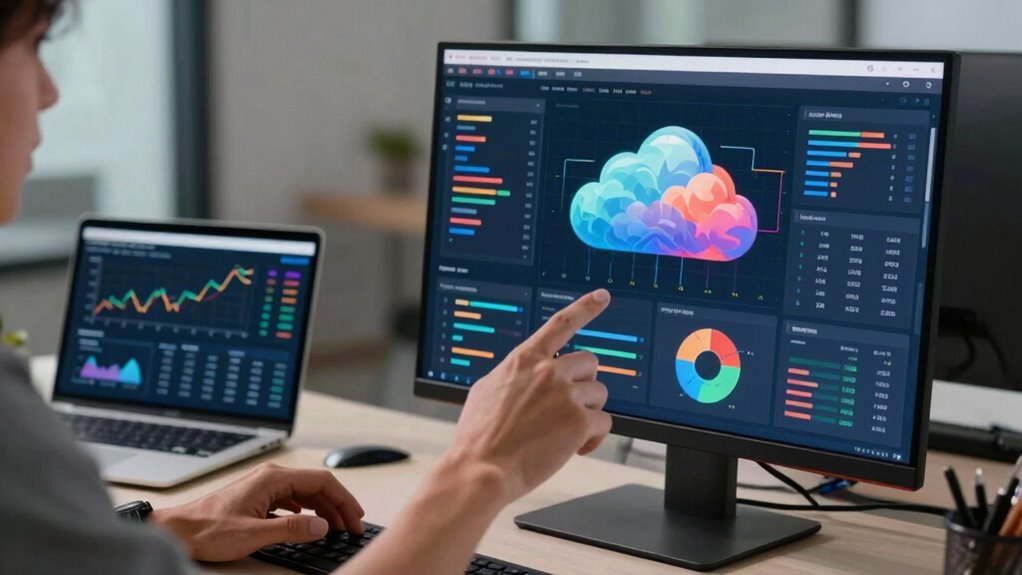
Are you making the most of your cloud billing data? If not, you’re missing out on a powerful opportunity to drive strategic decision-making. Your cloud billing data isn’t just about tracking expenses—it’s a treasure trove for insights that can improve cost optimization and streamline vendor management. By analyzing this data effectively, you can give your executives a clear picture of financial health, usage patterns, and potential savings. The key is transforming raw billing figures into meaningful insights that inform your business strategies.
Unlock strategic insights and optimize costs by transforming your cloud billing data into actionable intelligence.
First, focus on categorizing your cloud costs. Break down expenses by project, department, or service to identify where your money is going. This detailed view uncovers areas of overspending and highlights opportunities to optimize costs. For example, you might find that certain resources are underutilized or that specific services are consistently exceeding budgets. Armed with this knowledge, you can implement cost optimization strategies like rightsizing resources, negotiating better vendor contracts, or shifting workloads to more cost-effective solutions. These decisions directly impact your bottom line and can prevent unnecessary expenses from slipping through the cracks.
Next, leverage your cloud billing data to improve vendor management. Many organizations work with multiple cloud providers, and managing these relationships can be complex. Your billing data offers insights into vendor performance, such as service usage, cost trends, and billing discrepancies. Regularly reviewing this information allows you to identify which vendors deliver the best value and where negotiations could lead to better terms. You can also spot anomalies or billing errors early, preventing cost leakages. Additionally, understanding vendor-specific costs helps you make informed decisions about consolidating services or renegotiating contracts to secure better deals. Exploring cloud billing data analysis can uncover hidden opportunities for savings and efficiency. Incorporating cost transparency practices can further enhance your ability to control expenses and foster vendor accountability.
Data visualization tools can make these insights more accessible to executives. By presenting billing data through dashboards and reports, you enable leadership to grasp complex financial information quickly. Clear visuals of cost trends and performance metrics make it easier to prioritize initiatives for cost savings and vendor negotiations. Moreover, integrating billing data with other operational data provides a broad view of your cloud environment, revealing how usage patterns impact costs and performance. Establishing automated reporting processes can also help keep stakeholders regularly informed and proactive in managing cloud expenses.
cloud cost management dashboard software
As an affiliate, we earn on qualifying purchases.
As an affiliate, we earn on qualifying purchases.
Frequently Asked Questions
How Can I Ensure Data Accuracy in Cloud Billing Reports?
To guarantee data accuracy in cloud billing reports, you should regularly audit your billing data for anomalies like unexpected charges or discrepancies. Use automated tools to detect billing anomalies early and validate data against actual usage. Accurate data supports better cost forecasting, enabling you to anticipate future expenses more reliably. Consistent reviews and clean data inputs help maintain trustworthy billing reports, empowering you to make informed decisions and optimize cloud spending effectively.
What Tools Are Best for Real-Time Billing Data Analysis?
You should use tools like Google Cloud’s BigQuery, AWS Cost Explorer, or Azure Cost Management for real-time billing data analysis. These platforms enable you to monitor costs instantly, helping with cost optimization and usage forecasting. They provide dashboards and alerts that give immediate insights, so you can quickly identify anomalies, optimize resource allocation, and forecast future expenses, ensuring your cloud spending stays efficient and predictable.
How Do I Handle Multi-Cloud Billing Data Integration?
You handle multi-cloud billing data integration by streamlining processes, standardizing data formats, and leveraging automation tools. Focus on consolidating cloud cost optimization metrics across platforms, automating billing workflows, and ensuring data consistency. Use unified dashboards to visualize multi-cloud costs clearly, enabling smarter decisions. This approach helps you identify cost-saving opportunities, reduce manual efforts, and improve overall financial management, making your multi-cloud environment more efficient and transparent.
What Security Measures Protect Sensitive Billing Information?
You protect sensitive billing information by implementing robust security measures like encryption protocols to secure data both at rest and in transit. Additionally, you should establish strict access controls to limit data access only to authorized personnel, regularly review permissions, and use multi-factor authentication. Combining these measures guarantees your billing data remains confidential and secure from unauthorized access, safeguarding your organization’s financial information effectively.
How Often Should Billing Data Be Reviewed for Insights?
You should review billing data regularly to stay ahead in cost optimization and budget forecasting. Weekly reviews help you catch any unexpected charges early, while monthly in-depth explorations provide thorough insights for strategic decisions. Consistent analysis ensures you optimize resources, avoid surprises, and align spending with business goals. By maintaining this routine, you keep your cloud financial health in check and make informed, proactive adjustments.
As an affiliate, we earn on qualifying purchases.
Conclusion
By transforming your cloud billing data into clear insights, you’re fundamentally turning a tangled ball of yarn into a neat, valuable tapestry. Imagine a startup that tracked its cloud costs diligently and discovered a hidden spend spike in one region. By addressing it early, they saved thousands. Just like a skilled navigator reads the stars to steer the ship, you can read your billing data to steer your business toward smarter, more cost-effective decisions.
vendor performance monitoring software
As an affiliate, we earn on qualifying purchases.
As an affiliate, we earn on qualifying purchases.
automated cloud expense reporting tools
As an affiliate, we earn on qualifying purchases.
As an affiliate, we earn on qualifying purchases.
Evergreen bestsellers Picks
bestsellers
As an affiliate, we earn on qualifying purchases.