

You might find cloud architecture reviews fail before they begin if you haven’t set clear objectives or defined the scope upfront. Poor preparation, like lacking data on costs, security, or usage, can lead to superficial assessments. Without engaging stakeholders early, critical insights are missed, and resistance may grow. A structured approach is essential; without it, you risk focusing on symptoms rather than root causes. Keep exploring to learn how to avoid these pitfalls and conduct more effective reviews.

Get business pricing on networking and server gear
- Business-only prices and quantity discounts
- Tax-exempt purchasing
- Multiple users, one account, clear invoices
Key Takeaways
- Lack of clear objectives and scope causes reviews to become unfocused and overlook critical issues.
- Inadequate preparation and missing data hinder meaningful analysis and risk identification.
- Failure to engage stakeholders early leads to missed insights and resistance to recommended changes.
- Absence of a structured, systematic approach results in superficial assessments and ineffective recommendations.
- Overlooking broader industry standards and sustainability factors diminishes the review’s relevance and long-term value.
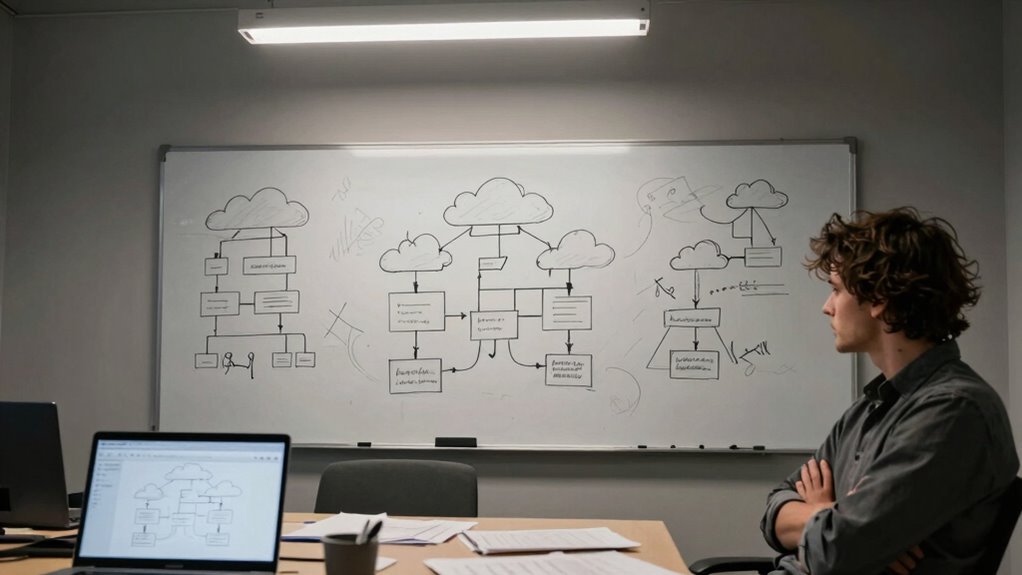
Have you ever wondered whether your cloud architecture is truly optimized for performance, security, and cost-efficiency? Many organizations set out to conduct cloud architecture reviews, aiming to identify weaknesses and improve their infrastructure. However, these reviews often fail before they even begin. The primary reason is a lack of clear objectives and a well-defined scope. Without knowing what you want to achieve—whether it’s better cloud cost optimization, enhanced security compliance, or improved performance—you risk approaching the review in a haphazard way. This ambiguity leads to scattered efforts, making it difficult to measure progress or identify critical issues.
Another common pitfall is inadequate preparation. If you haven’t gathered thorough data about your current cloud setup—such as usage patterns, cost reports, security policies, and compliance standards—the review is bound to be superficial. Jumping into a review without this foundational knowledge means you’ll miss key areas that need attention. For instance, you might overlook hidden costs or security gaps that could expose your organization to risks or inflate expenses. Proper preparation ensures your review focuses on the right issues, whether that’s optimizing cloud costs or ensuring adherence to security compliance standards. Moreover, understanding cloud best practices can help you benchmark your current setup against industry standards and identify areas for improvement more effectively. Additionally, aligning your review with industry benchmarks can provide valuable context and help prioritize enhancements.
A significant reason reviews fail is the lack of stakeholder engagement. Cloud architecture touches multiple teams—IT, security, finance, and operations. If these groups aren’t involved from the start, the review becomes a one-sided effort. Without their input, you might miss critical insights or face resistance when implementing changes. Engaging stakeholders early on helps you understand the practical challenges and align your review with business goals. It also fosters buy-in, making it easier to implement recommended improvements.
Finally, many reviews stumble because they lack a structured approach. Without a systematic methodology, you risk focusing on symptoms rather than root causes. A well-designed review process considers performance, security compliance, and cost factors holistically, rather than in isolation. It involves evaluating architecture patterns, policies, and controls, and prioritizing actions based on impact and feasibility. Skipping this step often results in recommendations that are either too broad or impractical to execute. Additionally, understanding the importance of biodiversity and sustainability in cloud practices can guide organizations toward more environmentally conscious choices. Incorporating sustainable cloud strategies not only benefits the environment but can also lead to long-term cost savings and enhanced brand reputation.
In essence, cloud architecture reviews fail before they start when organizations neglect proper planning, stakeholder involvement, and a structured approach. To avoid these pitfalls, define clear objectives, gather thorough data, involve relevant teams, and adopt a methodical process. Doing so increases the likelihood of uncovering meaningful insights—whether for cloud cost optimization or security compliance—and ultimately transforms your cloud infrastructure into a more efficient, secure, and cost-effective environment.
As an affiliate, we earn on qualifying purchases.
Frequently Asked Questions
How Can Teams Improve Communication During Cloud Architecture Reviews?
You can improve communication during cloud architecture reviews by actively encouraging stakeholder engagement early and often. Facilitate open discussions, ask for feedback loops, and guarantee everyone’s voice is heard. Use collaborative tools to keep everyone updated and aligned. By fostering transparency and continuous dialogue, you minimize misunderstandings, build trust, and ensure that all perspectives are integrated, making your reviews more effective and reducing the risk of failure before they even start.
What Are Common Pitfalls in Initial Cloud Design Planning?
A common pitfall in initial cloud design planning is overlooking cloud scalability, which can lead to performance issues as your needs grow. Additionally, neglecting security compliance early on exposes you to vulnerabilities and regulatory risks. You might also underestimate costs or fail to contemplate future integration needs. To avoid these issues, prioritize scalable architecture and embed security compliance from the start, ensuring your cloud environment supports growth and remains secure.
How Does Organizational Culture Affect Review Success?
Imagine a cloud review as a shared journey, but if your organizational mindset is rigid or dismisses collaboration, cultural barriers block the path. These barriers can cause resistance, miscommunication, and fear of change, making it tough to align everyone’s vision. When your culture embraces openness and continuous learning, reviews become smooth sailing, fostering trust. Without this, reviews falter before they even begin, leading to missed opportunities and flawed architectures.
What Role Does Leadership Play in Review Effectiveness?
Leadership influence is vital for review effectiveness because it sets the tone and prioritizes cloud architecture. When leaders clearly demonstrate commitment, they foster accountability and open communication. They guarantee decision accountability by guiding the review process and encouraging constructive feedback. Your leaders must actively champion the review, making it a strategic priority, so the team stays aligned, engaged, and focused on creating a resilient, scalable cloud architecture.
How to Ensure Reviews Align With Long-Term Business Goals?
Did you know 70% of projects fail due to poor stakeholder alignment? To guarantee reviews align with long-term business goals, you should prioritize strategic planning and involve key stakeholders early. Regularly communicate your vision, clarify priorities, and adjust the architecture as needed. This proactive approach keeps everyone aligned, ensuring your cloud architecture supports your business’s future growth and success.
cloud security compliance software
As an affiliate, we earn on qualifying purchases.
As an affiliate, we earn on qualifying purchases.
Conclusion
Cloud architecture reviews often fail before they even start because teams overlook critical planning steps. Did you know that 70% of cloud migrations face unforeseen issues due to inadequate reviews? By ensuring thorough preparation and clear communication upfront, you can prevent costly mistakes and streamline your deployment process. Don’t let overlooked details derail your project—invest in a robust review process from the beginning, and you’ll set yourself up for success.
cloud architecture assessment tools
As an affiliate, we earn on qualifying purchases.
As an affiliate, we earn on qualifying purchases.
stakeholder engagement tools for IT
As an affiliate, we earn on qualifying purchases.
As an affiliate, we earn on qualifying purchases.
Fall Picks
fall essentials
As an affiliate, we earn on qualifying purchases.