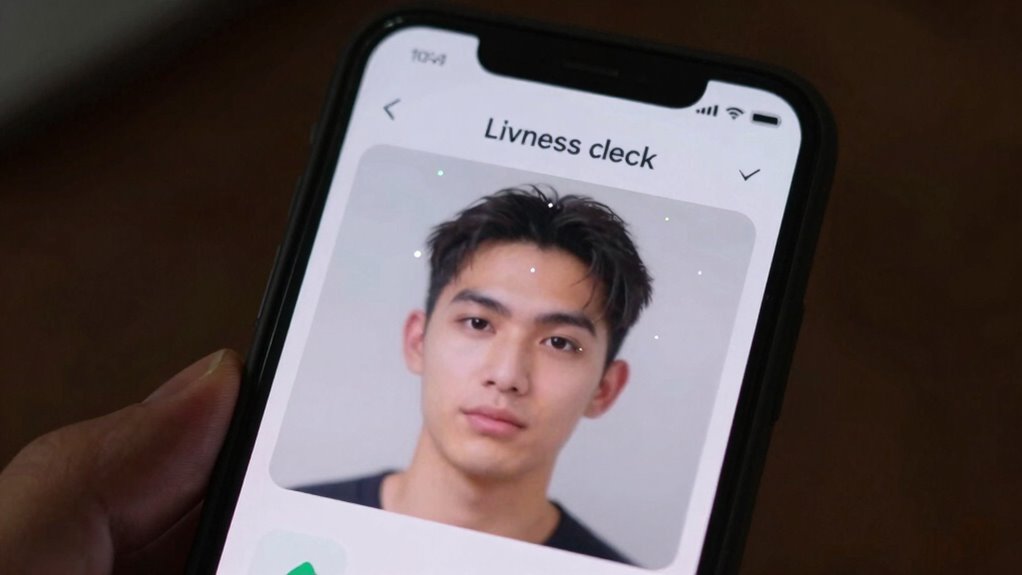

You might assume biometric systems are foolproof, but liveness checks can give you false confidence when they fail to spot sophisticated spoofing like deepfakes, masks, or high-quality recordings. These methods can mimic true human cues, tricking detection systems into thinking you’re present when you’re not. As spoofing techniques grow more advanced, the risk of relying solely on these checks increases. Keep exploring to understand how ongoing innovations aim to strengthen your security and trust.

Get business pricing on networking and server gear
- Business-only prices and quantity discounts
- Tax-exempt purchasing
- Multiple users, one account, clear invoices
Key Takeaways
- Overreliance on static cues like blinking or head movement can be fooled by high-quality spoofing methods.
- Advanced deepfake videos and 3D masks can convincingly mimic live facial features.
- High-resolution images or videos may deceive liveness detection systems, leading to false confidence.
- Multi-modal and physiological signals are needed to improve accuracy but are often underutilized.
- False sense of security from imperfect liveness checks increases the risk of unauthorized access and identity fraud.
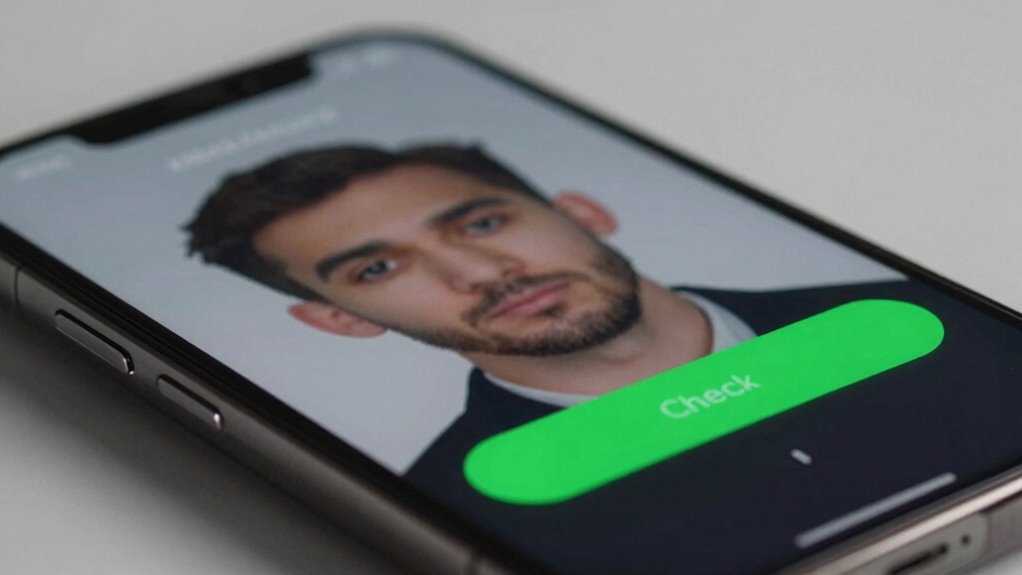
In the domain of digital security, verifying that a user is genuinely present—rather than just a static image or recording—has become a critical challenge. This is where liveness checks come into play, especially in systems relying on facial recognition. These checks aim to confirm that the person in front of the camera is alive and actively participating, not just a photo or a video replay. But despite advances, the problem of false confidence persists. Attackers often exploit weaknesses in these systems through biometric spoofing, using high-quality images, masks, or deepfake videos to trick facial recognition algorithms. When a system fails to properly distinguish between live individuals and fake representations, it creates a dangerous false sense of security. You might think your system is secure because it recognizes a face, but in reality, it could be fooled by a simple photograph or a cleverly crafted mask.
Many facial recognition systems rely on detecting specific cues—like blinking, head movements, or skin texture—to verify liveness. However, these cues are not always foolproof. For example, if an attacker uses a high-resolution image or video with minimal movement, the system might still accept it as a live person. This is where biometric spoofing becomes a significant threat. Spoofing attacks are increasingly sophisticated; they can involve 3D masks, silicone replicas, or even deepfake videos that mimic a person’s facial expressions convincingly. As a result, the line between real and fake blurs, making it harder for even the best liveness detection methods to keep up. Moreover, the evolving nature of biometric spoofing techniques means that detection methods must also advance continuously to stay effective. This ongoing arms race emphasizes the importance of multi-modal biometric systems that combine different types of authentication for more reliable verification. Additionally, the integration of liveness detection with other security layers can help mitigate the risks associated with spoofing.
You need to understand that the core challenge isn’t just about technology—it’s about trust. When biometric spoofing succeeds, it erodes confidence in facial recognition systems. Users might believe their identities are secure when, in fact, they aren’t. This false confidence can lead to unauthorized access, fraud, or identity theft. Developers and security professionals must continuously innovate to improve liveness detection—by integrating multiple biometric modalities, using 3D sensors, or analyzing subtle physiological signals. But the truth remains: no system is entirely foolproof, and attackers are always finding new ways to bypass protections. So, while facial recognition and liveness checks are powerful tools, they are only as strong as their ability to detect genuine presence. Without robust defenses against biometric spoofing, the risk of false confidence and security breaches remains high.
Frequently Asked Questions
How Do Liveness Checks Differ Across Biometric Authentication Methods?
You’ll find that liveness checks differ across biometric methods like facial recognition and fingerprint scanning. For facial recognition, you might be asked to blink or turn your head to prove you’re alive. With fingerprint scanning, you may need to lift and reposition your finger to make certain it’s a real, living finger rather than a fake. These checks help prevent spoofing and ensure the system accurately verifies your identity.
What Industries Are Most Affected by False Confidence in Liveness Detection?
You should know that finance and healthcare industries are most impacted by false confidence in liveness detection. Studies show that 30% of biometric fraud attempts go undetected due to false confidence, risking security. In these sectors, user authentication is critical, and weak liveness checks can lead to fraud. Reinforcing fraud prevention measures guarantees sensitive data stays protected, maintaining trust and security for users relying on biometric systems.
Can Liveness Check Issues Be Exploited by Malicious Actors?
Yes, liveness check issues can be exploited by malicious actors through spoofing vulnerabilities and user deception. They might use photos, videos, or masks to trick the system into believing a fake is a real person. This exposes your security to risks like unauthorized access or identity theft. To stay protected, make certain your liveness detection methods are advanced enough to identify real users and prevent spoofing attempts effectively.
How Often Do False Positives Occur in Current Liveness Checks?
You might feel confident in biometric systems, but false positives happen more often than you’d think. They occur roughly 1-3% of the time in current liveness checks, largely due to spoofing techniques and biometric vulnerabilities. While not frequent, these errors can be dangerous, making it seem like a person is present when they aren’t. It’s a case of “don’t count your chickens before they hatch,” reminding you to stay cautious.
What Future Technologies Aim to Improve Liveness Verification Accuracy?
Future technologies aim to improve liveness verification accuracy by leveraging AI enhancement to detect biometric spoofing more effectively. You’ll see advanced algorithms that analyze subtle facial movements, micro-expressions, and real-time data to distinguish between genuine users and spoofing attempts. These innovations reduce false positives, ensuring more reliable authentication. As AI evolves, your systems will become smarter at recognizing authentic biometrics, minimizing false confidence and boosting security.
Conclusion
Imagine standing at a busy train station, unsure if the person approaching is truly the one they claim to be or just a clever impersonator. That’s what the liveness check problem feels like—you might trust your eyes, but without real certainty, you risk false confidence. Just like missing the subtle cues in a crowded platform, flawed verification can lead to vulnerabilities. To stay secure, you need more than just the surface—you need genuine assurance to keep you safe.
Columbus Day / Indigenous Peoples' Day Picks
long weekend sales
As an affiliate, we earn on qualifying purchases.