

Choosing the best Microsoft execution containers resources requires balancing foundational Docker knowledge with specific Azure integration techniques. My top overall pick is Cloud-Native Applications on Microsoft Azure because it bridges the gap between generic container theory and actual Azure implementation. For those focused on scaling, Mastering Azure Kubernetes Service (AKS) offers the depth needed for enterprise environments, while Docker: Up & Running remains the strongest choice for pure Docker fundamentals. The main tradeoff in this category is between broad Docker concepts and specific Microsoft ecosystem constraints. Readers must decide if they need general containerization skills or specialized Azure deployment patterns. Continue reading to see how these titles compare on depth, practicality, and Microsoft-specific relevance.

Get business pricing on networking and server gear
- Business-only prices and quantity discounts
- Tax-exempt purchasing
- Multiple users, one account, clear invoices
Key Takeaways
- Resources that strictly focus on generic Docker often fail to address Windows-specific container limitations, making Azure-centric guides more practical for Microsoft developers.
- The Mastering Azure Kubernetes Service (AKS) guide stands out for its coverage of networking complexities, which are frequently oversimplified in beginner-focused Docker books.
- Books dedicated to Azure Container Apps are emerging as critical for serverless container adoption, offering a middle ground between full Kubernetes complexity and simple PaaS.
- Visual guides like Docker Made Crystal Clear are superior for initial concept retention but lack the command-line proficiency required for real-world debugging.
- Integration with Visual Studio Code is a key differentiator; resources ignoring this workflow force developers to context-switch, reducing productivity during the learning phase.
| The Ultimate Docker Container Book: Build, Ship, Deploy, and Scale Containerized Applications | 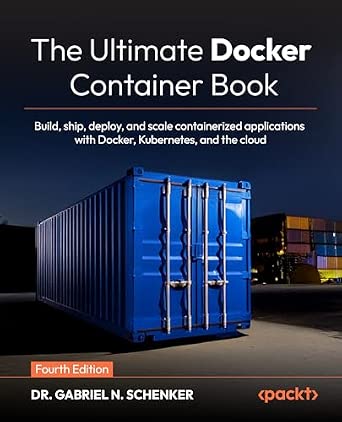 | Best for the Full Container Lifecycle | Topics: Docker, Kubernetes, cloud computing | Coverage: Building, shipping, deploying, and scaling containerized applications | Product type: Technical book | VIEW LATEST PRICE | See Our Full Breakdown |
| Mastering Docker on Windows: Advanced Containerization Techniques for Enterprise-Grade Environments |  | Best for Windows Enterprise Teams | Platform focus: Windows | Container technology: Docker | Audience: IT professionals with prior Docker experience | VIEW LATEST PRICE | See Our Full Breakdown |
| Cloud-Native Applications on Microsoft Azure: Microservices, Containers, and Kubernetes |  | Best for Azure Cloud-Native Development | Language: English | Format: Digital Edition | Cloud platform: Microsoft Azure | VIEW LATEST PRICE | See Our Full Breakdown |
| Docker: Practical Guide for Developers and DevOps Teams |  | Best for Practical Docker Workflows | Publisher: Rheinwerk Computing | Topics: Docker, containerization, DevOps | Coverage: Building, securing, and orchestrating Docker containers | VIEW LATEST PRICE | See Our Full Breakdown |
| Exploring Azure Container Apps: Scaling Modern and Cloud-Native Apps and Microservices |  | Best for Azure Container Apps | Primary technology: Azure Container Apps | Topics: Scaling, cloud-native applications, and microservices | Application focus: Modern apps and microservices | VIEW LATEST PRICE | See Our Full Breakdown |
| Azure Containers Explained: Leverage Azure container technologies for effective application migration and deployment |  | Best for Azure Migration Planning | Subject: Azure container technologies | Primary focus: Application migration and deployment | Topics: Azure container services, deployment practices, performance optimization | VIEW LATEST PRICE | See Our Full Breakdown |
| Docker: Up & Running: Shipping Reliable Containers in Production |  | Best for Production-Minded Docker Learning | Subject: Docker | Primary focus: Shipping reliable containers in production | Container technology: Docker containers | VIEW LATEST PRICE | See Our Full Breakdown |
| Mastering Azure Kubernetes Service (AKS): Rapidly Build and Scale Your Containerized Applications with Microsoft Azure Kubernetes Service |  | Best for AKS-Focused Teams | Subject: Microsoft Azure Kubernetes Service (AKS) | Primary focus: Building and scaling containerized applications | Platform: Microsoft Azure | VIEW LATEST PRICE | See Our Full Breakdown |
| Programmer’s Guide to Containers with Docker and Visual Studio Code |  | Best for Visual Studio Code Workflows | Subject: Containers with Docker | Named development tool: Visual Studio Code | Primary audience: Programmers | VIEW LATEST PRICE | See Our Full Breakdown |
| Docker Made Crystal Clear: A Practical, Visual Guide to Building, Shipping, and Running Containers |  | Best for Visual Docker Fundamentals | Subject: Docker containers | Primary focus: Building, shipping, and running containers | Approach: Practical and visual | VIEW LATEST PRICE | See Our Full Breakdown |
| Microsoft execution container | Format | Topics | ASIN | Intended audience |
|---|---|---|---|---|
| The Ultimate Docker Container | — | Docker, Kubernetes, cloud computing | 1805804391 | — |
| Mastering Docker on Windows: A | — | Containerization strategies, best practices, performance tuning, and security | B0FHPQ8DN2 | — |
| Cloud-Native Applications on M | Digital Edition | Microservices, containers, and Kubernetes | B0G2LG1MTS | — |
| Docker: Practical Guide for De | — | Docker, containerization, DevOps | 1493223836 | Developers and DevOps teams |
| Exploring Azure Container Apps | Not specified in the supplied product data | Scaling, cloud-native applications, and microservices | B0F27MXTFY | — |
| Azure Containers Explained: Le | Not specified | Azure container services, deployment practices, performance optimization | — | Developers and IT professionals |
| Docker: Up & Running: Shipping | Not specified | — | — | Not specified |
| Mastering Azure Kubernetes Ser | English Edition | — | — | Not specified |
| Programmer’s Guide to Containe | Not specified | — | — | — |
| Docker Made Crystal Clear: A P | Not specified | — | — | Developers |
More Details on Our Top Picks
The Ultimate Docker Container Book: Build, Ship, Deploy, and Scale Containerized Applications
I’d choose this book when the goal is to understand how container work connects from development through deployment and scaling. Its coverage of Docker, Kubernetes, and cloud computing gives it a broader scope than Mastering Docker on Windows, which is tailored to Windows-specific enterprise techniques. That breadth can help readers see where Microsoft execution containers fit into a larger application workflow, though the description does not identify a Microsoft-specific focus or detail its examples. Buyers seeking a direct guide to Azure Container Apps may get a closer platform match from Exploring Azure Container Apps. This book’s appeal is its lifecycle framing; the tradeoff is that its coverage may be less targeted for readers who need Windows-only tuning or a particular Azure service.
Pros:- Covers building, shipping, deploying, and scaling containerized applications
- Includes both Docker and Kubernetes topics
- Connects container work with cloud technologies
Cons:- The supplied description does not establish a Microsoft- or Azure-specific focus
- Specific depth, examples, and audience level are not provided
- Its broad scope may be less targeted than a Windows- or Azure-focused guide
Best for: Developers and platform learners who want one broad introduction to Docker, Kubernetes, cloud deployment, and scaling across an application lifecycle.
Not ideal for: Windows administrators seeking detailed Windows-specific container tuning, or Azure Container Apps users who need service-focused guidance.
- Topics:Docker, Kubernetes, cloud computing
- Coverage:Building, shipping, deploying, and scaling containerized applications
- Product type:Technical book
- ASIN:1805804391
- Microsoft-specific focus:Not specified in the supplied product data
- Publication format:Not specified in the supplied product data
Our verdict“Choose this for a broad view of the container application lifecycle, but pick a Microsoft-platform-specific title for targeted Windows or Azure guidance.”
Mastering Docker on Windows: Advanced Containerization Techniques for Enterprise-Grade Environments
For Microsoft execution containers, this is the most directly Windows-centered choice in the batch. It focuses on enterprise Docker practices, performance tuning, and security, making it a better fit for experienced IT professionals than the broader The Ultimate Docker Container Book. That narrower scope is useful when Windows is the operating environment rather than one platform among many. The tradeoff is equally clear: beginners may find the advanced material difficult, and readers working across Linux or cloud platforms may prefer a broader guide. The description does not specify particular Windows container modes, tools, or deployment examples, so buyers who need instructions for a specific environment should confirm that the book covers it.
Pros:- Concentrates on Docker for Windows environments
- Addresses enterprise-oriented container practices
- Includes performance tuning and security guidance
- Targets IT professionals with prior Docker experience
Cons:- Advanced positioning may make it difficult for beginners
- Windows-only scope limits its use for cross-platform teams
- Specific tools, versions, and example environments are not provided
Best for: Experienced Windows IT professionals responsible for improving Docker performance, security, and deployment practices in enterprise environments.
Not ideal for: New Docker learners or teams needing a cross-platform guide with clearly stated Azure, Kubernetes, or Linux coverage.
- Platform focus:Windows
- Container technology:Docker
- Audience:IT professionals with prior Docker experience
- Environment:Enterprise deployments
- Topics:Containerization strategies, best practices, performance tuning, and security
- ASIN:B0FHPQ8DN2
Our verdict“Pick this for experienced teams focused on Windows Docker operations; choose a broader title if your work spans multiple platforms.”
Cloud-Native Applications on Microsoft Azure: Microservices, Containers, and Kubernetes
This is the clearest fit for readers whose container work already lives in the Microsoft Azure ecosystem. Its stated mix of microservices, containers, and Kubernetes makes it more Azure-oriented than The Ultimate Docker Container Book, whose cloud coverage is described broadly. That platform focus can help buyers seeking a cloud-native development perspective, although the supplied details do not specify particular Azure container services, Kubernetes configuration, or level of technical depth. Readers after a concrete Windows Docker operations guide may find Mastering Docker on Windows a closer match. I’d treat this as a promising Azure-focused option, not a guaranteed service manual: the description leaves important questions about examples and depth unanswered.
Pros:- Specifically focused on the Microsoft Azure ecosystem
- Covers microservices, containers, and Kubernetes
- Addresses modern cloud-native application development
- Digital Edition format is identified in the product data
Cons:- Specific Azure services and container workflows are not identified
- The supplied description does not establish the depth or structure of the material
- Less directly focused on Windows Docker administration than Mastering Docker on Windows
Best for: Application developers and cloud engineers building microservices and containerized applications specifically on Microsoft Azure.
Not ideal for: Readers who need detailed Windows Docker administration, a stated Azure service walkthrough, or confirmed information about technical depth.
- Language:English
- Format:Digital Edition
- Cloud platform:Microsoft Azure
- Topics:Microservices, containers, and Kubernetes
- Application focus:Cloud-native application development
- ASIN:B0G2LG1MTS
Our verdict“Choose this if Azure is your main cloud platform and you want a cloud-native overview, but verify the service-level detail you need.”
Docker: Practical Guide for Developers and DevOps Teams
I’d put this guide ahead of more specialized titles for teams that need practical Docker skills spanning development and operations. Its stated focus on building, securing, and orchestrating containers gives it a more workflow-oriented role than Mastering Docker on Windows, which targets advanced Windows enterprise use. It may suit developers and DevOps colleagues learning to work from a shared container foundation, but the supplied details do not identify a Microsoft-specific or Azure-specific approach. Readers focused on Azure cloud-native architecture may prefer Cloud-Native Applications on Microsoft Azure. The description also leaves the technical level, examples, and supported tools unspecified, so I would not assume it covers a particular Microsoft execution environment without checking further.
Pros:- Covers practical Docker fundamentals
- Addresses container building and security
- Includes orchestration as part of the subject matter
- Aims to serve both developers and DevOps teams
Cons:- The supplied description does not specify Microsoft or Azure platform coverage
- Technical level and example projects are not detailed
- Specific Docker tools, versions, and orchestration platforms are not identified
Best for: Developers and DevOps practitioners who want practical Docker guidance for building, securing, and orchestrating containers as a team.
Not ideal for: Buyers who specifically need Windows container administration or Azure service instructions rather than general Docker guidance.
- Publisher:Rheinwerk Computing
- Topics:Docker, containerization, DevOps
- Coverage:Building, securing, and orchestrating Docker containers
- Intended audience:Developers and DevOps teams
- ASIN:1493223836
- Microsoft-specific coverage:Not specified in the supplied product data
Our verdict“Choose this for shared, practical Docker skills across development and DevOps, not for platform-specific Microsoft instructions.”
Exploring Azure Container Apps: Scaling Modern and Cloud-Native Apps and Microservices
Among these options, this title has the most focused promise for readers deploying workloads with Azure Container Apps. Its emphasis on scaling modern cloud-native applications and microservices makes it a narrower choice than Cloud-Native Applications on Microsoft Azure, which also names Kubernetes and containers but does not identify a single Azure service. That specialization is useful when Azure Container Apps is already part of your plan; it is less suitable for someone still learning Docker basics or comparing Windows container techniques. The available description is brief, with no stated format, prerequisites, tools, or implementation details. I’d choose it for a service-specific direction, while treating the actual depth of its scaling guidance as unknown from the supplied data.
Pros:- Names Azure Container Apps as its central subject
- Focuses on scaling modern cloud-native applications
- Includes microservices in its stated scope
Cons:- The supplied description provides little detail about contents or technical depth
- Format, language, prerequisites, and examples are not specified
- Its narrow service focus is less suited to general Docker or Windows container learning
Best for: Azure developers and platform engineers who are evaluating or scaling cloud-native apps and microservices with Azure Container Apps.
Not ideal for: Beginners seeking general Docker fundamentals, or readers who need confirmed details on service features, examples, or technical depth.
- Primary technology:Azure Container Apps
- Topics:Scaling, cloud-native applications, and microservices
- Application focus:Modern apps and microservices
- ASIN:B0F27MXTFY
- Language:Not specified in the supplied product data
- Format:Not specified in the supplied product data
Our verdict“Pick this when Azure Container Apps is your target platform, but seek more detail if you need a step-by-step implementation guide.”
Azure Containers Explained: Leverage Azure container technologies for effective application migration and deployment
Azure-focused guidance gives this book a clearer Microsoft execution-container role than Docker-centered options such as Docker: Up & Running. Its stated emphasis on Azure container services, application migration, deployment practices, and performance makes it a fit for readers deciding how to move existing workloads into Azure rather than learning Docker from scratch. The migration focus can help developers and IT professionals connect container concepts to a practical modernization task. Compared with the AKS-specific Mastering Azure Kubernetes Service (AKS), this title appears broader across Azure container technologies, though the available details do not identify specific services or technical depth. That breadth is useful for early planning, but may leave readers wanting concrete commands, architecture examples, or deeper implementation material. Non-technical readers may also find the subject matter demanding.
Pros:- Clearly focuses on Azure container technologies rather than Docker alone
- Covers application migration alongside deployment
- Includes stated guidance on deployment practices and performance optimization
- Intended to serve both beginner and experienced technical readers
Cons:- May be too technical for readers without a development or IT background
- Product details do not identify specific Azure services or the depth of its examples
- Readers focused only on Kubernetes may prefer the dedicated AKS title
Best for: Developers and IT professionals planning to migrate existing applications to Azure container services
Not ideal for: Non-technical readers or practitioners seeking a documented, highly specific AKS implementation manual
- Subject:Azure container technologies
- Primary focus:Application migration and deployment
- Topics:Azure container services, deployment practices, performance optimization
- Intended audience:Developers and IT professionals
- Experience range:Beginners and experienced professionals
- Format:Not specified
Our verdict“Choose this for a broad Azure migration and deployment overview, but pick the AKS guide if Kubernetes is your main target.”
Docker: Up & Running: Shipping Reliable Containers in Production
Production reliability is the clearest point of distinction here: the title centers on shipping dependable Docker containers, rather than Azure migration as in Azure Containers Explained or a specific Microsoft service such as AKS. That makes it a plausible fit for readers whose immediate concern is operating container workloads reliably after they are built. Docker knowledge can support Microsoft execution environments, but the supplied product information does not describe particular Azure integrations, Windows-container workflows, or chapter-level topics. I would treat it as a Docker production guide, not a dedicated Microsoft platform manual. The narrow stated focus is a strength for readers seeking production-oriented Docker material, while the lack of detail makes it hard to judge its coverage, audience level, or how directly its advice maps to Azure deployments.
Pros:- Explicitly focuses on shipping reliable containers in production
- Docker-centered subject can complement Microsoft container platforms
- Production orientation distinguishes it from introductory visual Docker guides
Cons:- Available product details do not establish Azure-specific coverage
- No supplied information describes its technical depth or intended experience level
- The scope of its production guidance and examples is not specified
Best for: Developers and DevOps practitioners who already use Docker and want guidance centered on production reliability
Not ideal for: Readers seeking a clearly documented Azure, AKS, or Windows-container tutorial, since those topics are not specified
- Subject:Docker
- Primary focus:Shipping reliable containers in production
- Container technology:Docker containers
- Intended audience:Not specified
- Experience level:Not specified
- Format:Not specified
Our verdict“Pick this when reliable Docker operations are your priority, and choose an Azure- or AKS-focused title for Microsoft service guidance.”
Mastering Azure Kubernetes Service (AKS): Rapidly Build and Scale Your Containerized Applications with Microsoft Azure Kubernetes Service
Microsoft Azure Kubernetes Service is the defining scope of this guide, making it the most directly targeted choice here for readers building or scaling containerized applications on AKS. Compared with the broader service coverage promised by Azure Containers Explained, this title narrows the focus to Kubernetes on Azure; that specificity should suit teams whose platform decision is already made. The title also signals attention to both building and scaling applications, rather than only introducing Docker workflows like Programmer’s Guide to Containers with Docker and Visual Studio Code. Still, the supplied details provide no chapter outline, technical examples, or prerequisites, so the depth behind “mastering” cannot be confirmed. It is less suited to readers still comparing Azure container services or seeking a general Docker introduction.
Pros:- Directly targets Microsoft Azure Kubernetes Service
- The stated scope includes both building and scaling containerized applications
- More focused on AKS than the broader Azure overview in this roundup
- English Edition is identified in the product data
Cons:- No supplied description confirms its examples, prerequisites, or technical depth
- AKS-specific scope may not suit readers comparing other Azure container options
- The product data does not specify coverage of Docker or Windows containers
Best for: Developers and platform teams committed to building and scaling applications on Azure Kubernetes Service
Not ideal for: Beginners seeking a general Docker primer or teams still deciding among Azure container services
- Subject:Microsoft Azure Kubernetes Service (AKS)
- Primary focus:Building and scaling containerized applications
- Platform:Microsoft Azure
- Container orchestration:Kubernetes
- Format:English Edition
- Intended audience:Not specified
Our verdict“Choose this if AKS is already your platform; choose Azure Containers Explained if you first need a wider Azure container overview.”
Programmer’s Guide to Containers with Docker and Visual Studio Code
Docker plus Visual Studio Code gives this guide a practical development-workflow angle that the Azure platform titles do not share. It may suit programmers who want to work with containers from an editor they already use, while Docker Made Crystal Clear is described as a visual guide across building, shipping, and running containers. The distinction is the named toolchain: this book points toward Docker and VS Code together, not broad Azure service planning or AKS operations. That makes it relevant to Microsoft-oriented development workflows, but the product data does not say whether it covers Azure deployment, editor extensions, debugging, or specific project examples. Readers should choose it for the Docker-and-editor pairing, not assume it is a complete Microsoft cloud execution guide.
Pros:- Names both Docker and Visual Studio Code as core subjects
- Programming-focused framing suits readers working directly with application code
- Offers a distinct editor-workflow angle compared with Azure service guides
Cons:- Supplied details do not confirm Azure deployment or AKS coverage
- No chapter outline or technical depth is provided
- Specific Visual Studio Code workflows and examples are not described
Best for: Programmers who want a Docker-focused container guide connected to their Visual Studio Code workflow
Not ideal for: Azure administrators or AKS teams looking for confirmed cloud deployment and orchestration instructions
- Subject:Containers with Docker
- Named development tool:Visual Studio Code
- Primary audience:Programmers
- Primary focus:Working with containers
- Azure coverage:Not specified
- Format:Not specified
Our verdict“Choose this for a Docker-and-Visual Studio Code learning path, not as a substitute for dedicated Azure or AKS guidance.”
Docker Made Crystal Clear: A Practical, Visual Guide to Building, Shipping, and Running Containers
Visual explanations and a stated practical approach make this the clearest entry point for readers who want to understand Docker’s build-to-run workflow. Its lifecycle coverage is broader than the editor-specific focus of Programmer’s Guide to Containers with Docker and Visual Studio Code, while its description sounds less Azure-specific than Azure Containers Explained. That contrast matters: this book may help readers form a general container foundation before applying it to Microsoft platforms, but the available details do not confirm Azure, AKS, or Windows-container instruction. The visual format is presented as a way to make complex ideas easier to follow; however, the product information also flags limited detail about technical depth. Developers seeking advanced implementation material may need a more specialized companion.
Pros:- Visual format is intended to make complex container concepts easier to understand
- Covers building, shipping, and running containers
- Practical framing suits developers learning core Docker workflows
- Lifecycle scope is broader than a guide centered on a single editor workflow
Cons:- Product details indicate limited information about its technical depth
- Azure, AKS, and Windows-container coverage is not specified
- Advanced readers may need more detailed platform-specific guidance
Best for: Developers new to Docker who learn well from visual explanations and want the basic container lifecycle in one guide
Not ideal for: Experienced Azure or AKS practitioners seeking confirmed platform-specific instructions or advanced technical depth
- Subject:Docker containers
- Primary focus:Building, shipping, and running containers
- Approach:Practical and visual
- Intended audience:Developers
- Technical depth:Not specified
- Azure coverage:Not specified
- Format:Not specified
Our verdict“Pick this for a visual introduction to Docker’s container lifecycle, and turn to an Azure- or AKS-specific guide for Microsoft platform procedures.”

How We Picked
I evaluated these resources by measuring their practical applicability within the Microsoft ecosystem. A guide might explain Docker concepts perfectly, but if it ignores how containers interact with Windows Server or Azure Active Directory, it fails the specific needs of Microsoft developers. I prioritized titles that offer end-to-end workflows, from local development in Visual Studio Code to deployment on Azure Kubernetes Service or Container Apps.
Depth versus breadth was another critical filter. Many popular Docker books stop at ‘hello world’ applications, which is insufficient for production environments. I looked for content covering security policies, networking configurations, and scaling strategies specific to Azure. Resources that provided actionable code samples for Azure CLI and PowerShell were ranked higher than those relying solely on theoretical diagrams. The final ranking reflects a balance between foundational clarity and advanced enterprise readiness.
| Microsoft execution container | Topics | Format | Intended audience | Subject |
|---|---|---|---|---|
| The Ultimate Docker Container | Docker, Kubernetes, cloud computing | — | — | — |
| Mastering Docker on Windows: A | Containerization strategies, best practices, performance tuning, and security | — | — | — |
| Cloud-Native Applications on M | Microservices, containers, and Kubernetes | Digital Edition | — | — |
| Docker: Practical Guide for De | Docker, containerization, DevOps | — | Developers and DevOps teams | — |
| Exploring Azure Container Apps | Scaling, cloud-native applications, and microservices | Not specified in the supplied product data | — | — |
| Azure Containers Explained: Le | Azure container services, deployment practices, performance optimization | Not specified | Developers and IT professionals | Azure container technologies |
| Docker: Up & Running: Shipping | — | Not specified | Not specified | Docker |
| Mastering Azure Kubernetes Ser | — | English Edition | Not specified | Microsoft Azure Kubernetes Service (AKS) |
| Programmer’s Guide to Containe | — | Not specified | — | Containers with Docker |
| Docker Made Crystal Clear: A P | — | Not specified | Developers | Docker containers |
Factors to Consider When Choosing Best Microsoft Execution Containers
Selecting the right learning resource depends heavily on your current infrastructure and career goals. Not every developer needs to master Kubernetes immediately, and not every architect needs to understand the lowest-level Dockerfile optimizations. These factors will help you filter the noise.
Assessing Your Current Infrastructure Maturity
If your organization runs on legacy Windows Server VMs, start with resources that explain container migration strategies. Guides focusing on Azure Containers Explained provide the necessary context for lifting and shifting workloads without breaking dependencies. Conversely, if you are building greenfield cloud-native apps, prioritize books on Azure Kubernetes Service or Azure Container Apps. Skipping the migration context when dealing with legacy systems leads to fragile deployments and unexpected compatibility issues. Understand whether you are modernizing or building new before choosing your primary text.
The Importance of Local Development Workflows
Productivity hinges on how well the resource teaches local-to-cloud parity. Guides that integrate Visual Studio Code and Docker Desktop for Windows save hours of troubleshooting environment mismatches. If a book only shows Linux-based terminal commands without addressing Windows-specific path handling or file system permissions, you will face friction. Look for content that demonstrates how to debug containers running on Windows using standard Microsoft tools. This practical alignment reduces the gap between coding and deploying.
Kubernetes Complexity Versus Serverless Containers
Determining whether to learn Kubernetes or Azure Container Apps depends on your control requirements. Kubernetes offers granular control but demands significant operational overhead. Azure Container Apps provides a managed experience that abstracts away cluster management. If your team lacks dedicated platform engineers, a deep dive into AKS might be overkill. Evaluate if you need custom networking and storage plugins or if a managed PaaS container platform suffices. This decision dictates whether you buy an AKS guide or a Container Apps guide.
Windows Containers and Linux Container Compatibility
Microsoft supports both Windows and Linux containers, but they behave differently. Resources that gloss over Windows container limitations regarding networking and volume mounts set developers up for failure. Ensure your chosen guide explicitly covers Hyper-V isolation versus process isolation. Many generic Docker books assume a Linux kernel, which leads to confusion when deploying to Windows nodes in Azure. Prioritize materials that clearly distinguish between these two container types and their respective use cases in the Microsoft cloud.
Security and Governance in Containerized Environments
Security cannot be an afterthought. The best resources dedicate chapters to Azure Policy for Kubernetes, image scanning, and identity-based access control. Basic Docker tutorials often skip security entirely, leaving developers vulnerable to common exploits. If you work in regulated industries, choose guides that cover compliance frameworks and secure supply chain practices. Understanding how to enforce security policies at the cluster level is as important as knowing how to build an image.
Frequently Asked Questions
Do I need to learn Docker before studying Azure Kubernetes Service?
Yes, a solid grasp of Docker fundamentals is prerequisite knowledge for mastering AKS. Kubernetes orchestrates containers, but it does not define what a container is or how an image is built. Without understanding Dockerfiles, layering, and container networking basics, the concepts of Pods, Services, and Ingress in AKS will feel abstract and confusing. Start with a dedicated Docker guide to build muscle memory for image creation and local testing. Once you are comfortable shipping containers, move to an AKS-specific resource to learn orchestration and scaling.
Are Windows containers as viable as Linux containers for Azure production?
Windows containers are viable for specific use cases, such as running .NET Framework applications or legacy Windows services, but they face significant limitations compared to Linux containers. They consume more disk space, have slower startup times, and lack the extensive ecosystem of open-source tools available for Linux. In Azure, Linux containers are generally the default recommendation for microservices due to better performance and tooling support. Choose Windows containers only when you have no alternative for your existing codebase. For new development, Linux containers remain the industry standard for efficiency and compatibility.
How does Azure Container Apps differ from Azure Kubernetes Service?
Azure Container Apps is a serverless container platform designed for simplicity and speed, while AKS is a full managed Kubernetes cluster offering maximum flexibility. Container Apps abstracts away cluster management, networking configuration, and scaling policies, making it ideal for microservices that do not require custom Kubernetes operators. AKS allows for deep customization, custom node pools, and advanced networking scenarios but requires more operational expertise. If your team is small or your workloads are standard microservices, Container Apps reduces overhead. If you need complex orchestration or multi-cluster management, AKS is the necessary choice.
Can I use Visual Studio Code for all Microsoft container development?
Visual Studio Code is an excellent primary IDE for container development due to its robust Docker extension and integration with Azure Tools. It allows you to view, build, and debug containers directly from the editor without switching to a terminal. However, for complex debugging of multi-container applications or profiling performance issues, you might need external tools or deeper command-line knowledge. VS Code excels at the ‘inner loop’ of development, but the ‘outer loop’ of cluster management often requires Azure CLI or PowerShell scripts. Mastering both the IDE interface and the underlying command-line tools provides the most flexibility.
Is it worth buying books if online documentation is free?
Free documentation is fragmented and reference-oriented, making it difficult to learn concepts sequentially. Books provide curated learning paths that connect disparate topics like networking, storage, and security into a coherent narrative. They also offer curated examples and best practices that are rarely found in scattered blog posts or official docs. For complex topics like Kubernetes or Azure networking, a structured book saves time by filtering out noise and presenting a logical progression. Use documentation for specific API details, but rely on books for conceptual understanding and architectural patterns.
Conclusion
The best Microsoft execution containers resource depends on your specific role and infrastructure. For the Best Overall learning experience, Cloud-Native Applications on Microsoft Azure provides the right balance of theory and practice for most developers. If you are a Beginner, start with Docker: Up & Running to master the fundamentals before touching Azure-specific services. For Enterprise Architects managing large-scale deployments, Mastering Azure Kubernetes Service (AKS) is the indispensable premium choice. Those focused on Serverless Adoption will find the most value in Exploring Azure Container Apps. Finally, for Visual Learners, Docker Made Crystal Clear offers the best conceptual clarity. Choose based on whether you need to build, orchestrate, or migrate, and let the specific Azure service dictate your study path.