

To reduce cross-zone traffic without sacrificing resilience, focus on deploying data and services within the same zone, minimizing the need for cross-zone replication and communication. Use zone-aware load balancing to direct user requests locally and guarantee related applications and databases stay close, lowering latency. Regularly monitor traffic patterns to identify inefficiencies and adjust configurations accordingly. If you want to optimize your setup further, you’ll discover more effective strategies as you explore these practices in detail.
Get ready for Prime Big Deal Days — try Prime free
Exclusive member deals on October 6–7, plus fast free delivery. Cancel anytime.
As an affiliate, we earn on qualifying purchases.
Key Takeaways
- Implement zone-aware load balancing to route requests within the same zone, reducing cross-zone communication.
- Place related services, databases, and resources in the same zone to minimize data traversal.
- Set up local data replicas to serve applications with minimal latency, avoiding unnecessary cross-zone replication.
- Regularly monitor traffic patterns to identify inefficiencies and optimize resource distribution accordingly.
- Use multi-region strategies strategically to manage traffic flow without compromising resilience.
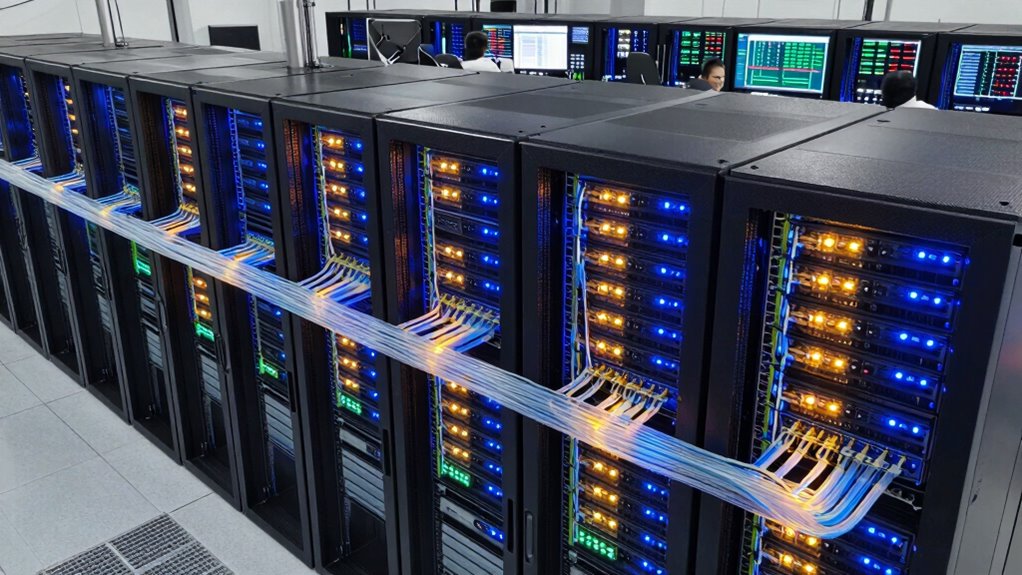
Cross-zone traffic can slow down your network’s performance and increase costs, but there are effective ways to cut down on it. When your data flows unnecessarily across different zones, it creates latency and consumes additional bandwidth, which ultimately hampers your system’s efficiency. To address this, you need to focus on optimizing how data replication and load balancing are managed across zones. Properly configuring data replication ensures that your data is synchronized within the same zone whenever possible, reducing cross-zone communication. Instead of replicating data across zones unnecessarily, you can set up local replicas that serve your applications with minimal latency, decreasing the need for frequent cross-zone data transfers.
Optimizing data replication within the same zone reduces latency and minimizes cross-zone communication.
Load balancing plays a vital role in minimizing cross-zone traffic. By intelligently distributing workloads within the same zone, you avoid sending traffic across zones, which can cause delays and extra costs. Implementing zone-aware load balancing allows you to direct user requests and internal processes to resources within the same zone, reducing the need for cross-zone communication. This setup not only maintains your system’s resilience but also keeps traffic local, ensuring faster responses and lower bandwidth usage.
Another strategy involves designing your architecture with zone locality in mind. When you place related services, databases, and applications within the same zone, you minimize the need for data to traverse zones. This approach helps you maintain high availability and resilience, as each zone can operate independently if needed. Additionally, adopting hybrid or multi-region strategies can further optimize traffic flow by aligning data replication and load balancing policies with your specific workload patterns. Understanding cross-zone traffic is essential for making informed decisions about your network architecture and ensuring optimal performance. Regularly reviewing your network’s traffic patterns can also reveal opportunities to further minimize inefficient data flows and improve overall system efficiency. Monitoring zone-specific traffic helps in identifying zones that require better configuration or resource distribution.
As an affiliate, we earn on qualifying purchases.
Frequently Asked Questions
What Are the Common Causes of Excessive Cross-Zone Traffic?
Excessive cross-zone traffic often results from inefficient traffic patterns or inadequate zone isolation. When applications or services frequently communicate across zones, it causes increased data transfer, impacting performance. Poorly designed workloads, unbalanced load distribution, or dependencies that span zones contribute to this issue. To minimize cross-zone traffic, you need to optimize traffic flow, improve zone separation, and guarantee workloads are properly isolated, which helps maintain resilience and reduces unnecessary data movement.
How Does Cross-Zone Traffic Impact System Resilience?
You might notice that cross-zone traffic can weaken system resilience, especially when network segmentation and traffic isolation aren’t effectively managed. Increased cross-zone traffic raises the risk of bottlenecks and failures spreading across your system, making it less robust. By minimizing unnecessary cross-zone flows, you help contain issues within specific segments, preserving overall resilience. Proper traffic isolation guarantees that a problem in one zone doesn’t cascade, maintaining stability and performance.
Are There Specific Tools to Monitor Cross-Zone Traffic Effectively?
Yes, you can use tools like AWS CloudWatch, Datadog, or Prometheus for effective traffic segmentation and zone isolation monitoring. These tools help you visualize cross-zone traffic, identify patterns, and set alerts for unusual activity. By continuously tracking traffic flow, you guarantee zone isolation is maintained, reducing cross-zone traffic without compromising resilience. Regular monitoring allows you to proactively address issues, maintaining system stability and performance.
Can Reducing Cross-Zone Traffic Affect System Performance?
Reducing cross-zone traffic can improve system performance by lowering latency and enhancing resilience. Notably, studies show that latency optimization can reduce response times by up to 30%. However, it might initially increase local resource use, affecting performance if not managed properly. To balance this, focus on cost reduction strategies that optimize traffic flow without sacrificing resilience, ensuring your system remains robust while delivering faster, more efficient responses.
What Are the Best Practices for Maintaining Resilience While Minimizing Traffic?
To maintain resilience while minimizing traffic, you should optimize load balancing to localize traffic within zones and avoid over-reliance on cross-zone communication. Implement fault tolerance strategies like redundant systems and graceful failover processes to guarantee service continuity. Regularly monitor traffic patterns and system health, adjusting configurations as needed. These practices help you reduce cross-zone traffic effectively without compromising system resilience.
As an affiliate, we earn on qualifying purchases.
Conclusion
By mastering these strategies, you’ll slash cross-zone traffic so drastically, it’ll feel like you’ve single-handedly tamed a wild traffic beast! Imagine your system running flawlessly, lightning-fast, and resilient enough to withstand any chaos — all while saving heaps on costs and boosting performance. Don’t settle for chaos; take control now and turn your infrastructure into an unstoppable, streamlined powerhouse that defies the odds and leaves downtime in the dust!
cross-zone traffic monitoring software
As an affiliate, we earn on qualifying purchases.
As an affiliate, we earn on qualifying purchases.
multi-region cloud architecture solutions
As an affiliate, we earn on qualifying purchases.
As an affiliate, we earn on qualifying purchases.
Fall yard work Picks
leaf blowers
As an affiliate, we earn on qualifying purchases.