Remote management helps you stay ahead by monitoring systems and teams from any location, preventing issues before they escalate. It guarantees your operations run smoothly without physical presence and allows quick responses to emerging threats or technical problems. Proactive tools provide real-time insights, detect vulnerabilities early, and help you enforce security policies consistently. By adopting remote management now, you can safeguard your business’s continuity and reputation—discover how to make it work effectively for you.

Get business pricing on networking and server gear
- Business-only prices and quantity discounts
- Tax-exempt purchasing
- Multiple users, one account, clear invoices
Key Takeaways
- Enables continuous oversight to identify and address issues proactively before they escalate.
- Facilitates rapid response to emerging threats, minimizing potential damage.
- Supports real-time monitoring to detect unusual activity early, reducing vulnerabilities.
- Ensures security policies are enforced consistently across all locations without physical presence.
- Promotes operational resilience and business continuity through preventative management strategies.
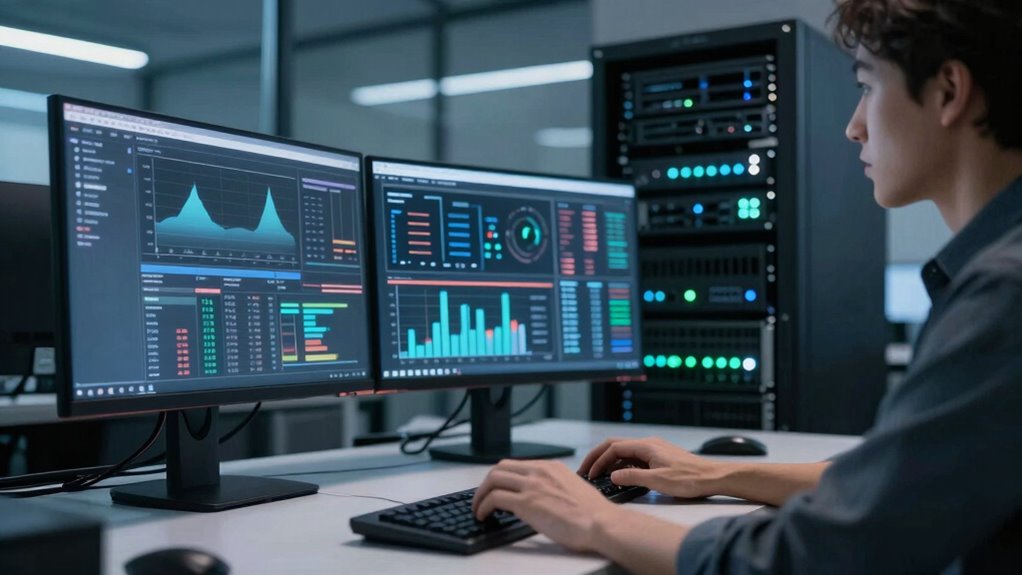
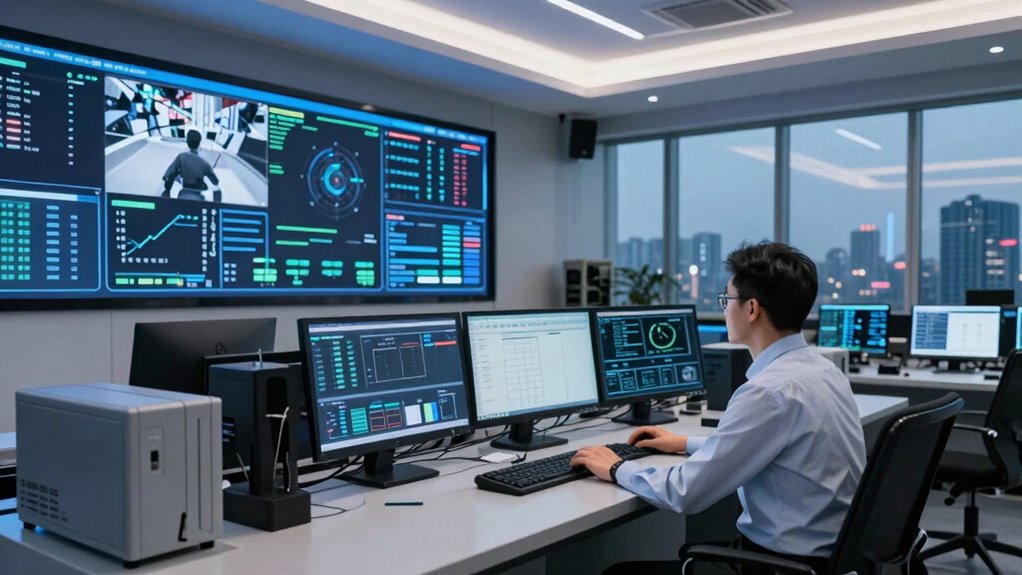
In today’s fast-paced business environment, remote management has become essential for maintaining productivity and staying competitive. When you manage your operations remotely, you’re able to oversee your teams and systems from anywhere, ensuring that everything runs smoothly even when you’re not physically present. But one of the most critical reasons to prioritize remote management before problems arise is to safeguard your digital assets through robust cloud security. By proactively managing your cloud infrastructure, you reduce vulnerabilities and prevent potential breaches. Waiting until an issue occurs can leave your data exposed, leading to costly downtime, reputational damage, and loss of customer trust. Instead, you should implement proactive monitoring tools that continuously scan your cloud environment for suspicious activity, vulnerabilities, or unusual patterns. These real-time insights enable you to address issues before they escalate, maintaining the integrity and security of your systems without disruption.
Proactive cloud security safeguards assets, prevents breaches, and maintains system integrity before issues escalate.
Remote management also allows you to maintain better control over your network and devices, ensuring that security policies are enforced consistently across all locations and endpoints. With proactive monitoring, you receive alerts about any deviations from established security standards, such as unauthorized access attempts or outdated software. This early detection helps you act swiftly, patch vulnerabilities, or isolate compromised devices before they become a widespread problem. The cost of fixing issues after they happen far exceeds the investment in preventative measures, and proactive monitoring plays a vital role in this approach. Additionally, cloud security is a foundational element in protecting your digital environment from evolving threats. By adopting cloud security strategies, organizations can better defend against increasingly sophisticated cyberattacks. Recognizing the importance of remote management can also help streamline your operational workflows, making your organization more resilient overall.
Furthermore, managing remotely means you can respond quickly to emerging threats or operational hiccups, often in real-time. You don’t have to wait for a crisis to realize that something’s wrong; instead, you’re constantly aware of your environment’s health. This vigilance allows you to allocate resources efficiently, prioritize critical fixes, and avoid the chaos of reactive firefighting. Implementing continuous monitoring tools ensures that your defenses are always active, reducing the risk of overlooked vulnerabilities. When you’re prepared in advance, your team can focus on strategic initiatives rather than putting out fires.
Ultimately, the value of remote management lies in its ability to ensure business continuity and security before a problem impacts your operations. Investing in cloud security and proactive monitoring isn’t just about compliance or peace of mind—it’s about actively preventing disruptions, safeguarding your reputation, and keeping your competitive edge sharp. In today’s digital landscape, the organizations that stay ahead recognize that preventative measures are the most effective way to navigate the complexities of remote management and secure long-term success.
remote monitoring software for business
As an affiliate, we earn on qualifying purchases.
As an affiliate, we earn on qualifying purchases.
Frequently Asked Questions
How Does Remote Management Improve Cybersecurity?
Remote management improves cybersecurity by allowing you to monitor and control your systems proactively, detecting potential cyber threats before they cause harm. It enables swift updates, patches, and security configurations, strengthening data protection. You can quickly respond to vulnerabilities, prevent unauthorized access, and maintain compliance. This proactive approach minimizes risks, guarantees your network stays secure, and keeps sensitive information safe from evolving cyber threats.
What Tools Are Essential for Effective Remote Management?
Ironically, the most essential tools for remote management are user-friendly interfaces and seamless data synchronization. You need intuitive dashboards that let you monitor and control systems effortlessly, and reliable data sync ensures your information stays current across all devices. Without these tools, managing remotely becomes a chaotic puzzle, risking errors and delays. Embracing these essentials lets you stay in control, even from miles away, with confidence and clarity.
Can Remote Management Reduce Operational Costs?
Yes, remote management can substantially reduce operational costs by enabling you to optimize resources and cut down on travel and on-site visits. With effective remote tools, you streamline maintenance, support, and monitoring processes, which leads to cost savings. You can quickly identify issues, prevent downtime, and allocate resources more efficiently. Overall, remote management empowers you to control expenses better while maintaining high service quality, making it a smart investment for your operations.
How Does Remote Management Impact Employee Productivity?
Imagine you’re using a crystal ball—remote management boosts your employee productivity by providing real-time insights through productivity tracking. You can easily monitor employee accountability, identify bottlenecks, and offer support when needed. This proactive approach keeps your team focused and motivated, resulting in higher efficiency. By managing remotely, you empower your employees to stay on track, ensuring your business runs smoothly even when you’re not physically present.
What Are Common Challenges in Implementing Remote Management?
You face challenges like ensuring reliable remote access and effective device monitoring. Technical issues can disrupt workflows, while maintaining security during remote management demands constant vigilance. Additionally, balancing oversight without micromanaging can be tricky. You need robust tools to facilitate seamless remote access and real-time device monitoring, but aligning these systems with your team’s needs requires careful planning. Overcoming these hurdles helps you manage your team more efficiently and securely.
As an affiliate, we earn on qualifying purchases.
Conclusion
So, why wait until a problem strikes to start managing remotely? Staying proactive keeps your systems secure, minimizes downtime, and saves you money in the long run. With remote management, you’re always a step ahead, ready to tackle issues before they escalate. Isn’t it better to prevent problems than scramble to fix them? Embrace remote management now and enjoy peace of mind knowing your systems are under control—before something goes wrong.
network security intrusion detection system
As an affiliate, we earn on qualifying purchases.
As an affiliate, we earn on qualifying purchases.
endpoint security management tools
As an affiliate, we earn on qualifying purchases.
As an affiliate, we earn on qualifying purchases.
Halloween Picks
halloween
As an affiliate, we earn on qualifying purchases.