

Finding the right cloud hosting for student projects usually means choosing between learning depth and practical speed: some resources teach you the theory behind cloud computing, while others get a working website deployed in an afternoon. For students who want the best balance of both, Cloud Hosting for Beginners: Learn to Host Your Website in the Cloud stands out as my top overall pick because it walks through an actual deployment from chapter one. Cloud Computing with Google Cloud is the strongest option for building a free-tier portfolio on GCP, and AWS Cloud Projects makes the most sense for students targeting internships at companies that run on AWS. The main tradeoff across this category is provider-specific depth versus general cloud literacy — skills that transfer everywhere versus skills that map directly to one platform. Read on for the full breakdown of all ten.

Get business pricing on networking and server gear
- Business-only prices and quantity discounts
- Tax-exempt purchasing
- Multiple users, one account, clear invoices
Key Takeaways
- Deployment-focused guides ranked higher than theory-first guides because student projects need a live URL, not just conceptual understanding.
- Provider-specific resources (AWS, GCP) deliver stronger portfolio value for internship applications than vendor-neutral introductions.
- Several beginner titles overlap heavily; the differentiator was whether a book included real free-tier projects rather than screenshots of consoles.
- Books aimed at project managers and general audiences ranked lowest because they skip the hands-on hosting steps students actually need.
- Free-tier cost management appeared in only three of the ten resources, which became a meaningful ranking factor for cash-strapped students.
| Five Cloud Portfolio Projects to Help You Land Your First Cloud Job |  | Best for Career-Focused Students | Format: Kindle eBook | Platforms covered: AWS, Azure, GCP | Number of projects: 5 | VIEW LATEST PRICE | See Our Full Breakdown |
| Cloud Computing Simplified: A Student’s Guide to the Digital Sky |  | Best Beginner Primer | Format: Kindle eBook | Audience: Students and complete beginners | Coverage: Cloud concepts, service and deployment models | VIEW LATEST PRICE | See Our Full Breakdown |
| A Brief Introduction to Cloud Computing |  | Best Quick-Reference Overview | Format: Kindle eBook | Length: Brief — designed for one sitting | Level: Beginner | VIEW LATEST PRICE | See Our Full Breakdown |
| Cloud Computing with Google Cloud: Projects and Real Use Cases on GCP From Beginner to Cloud Professional |  | Best Single-Platform Deep Dive | Format: Kindle eBook | Platform: Google Cloud Platform (GCP) | Level range: Beginner to professional | VIEW LATEST PRICE | See Our Full Breakdown |
| The Cloud Computing Beginner’s Handbook: A Visual Introduction to Where Your Files Live and How the Internet’s Computers Work |  | Best for Visual Learners | Format: Kindle eBook | Learning style: Visual, diagram-driven | Level: Absolute beginner | VIEW LATEST PRICE | See Our Full Breakdown |
| AWS Cloud Projects: Strengthen Your AWS Skills Through Practical Projects, from Websites to Advanced AI Applications | 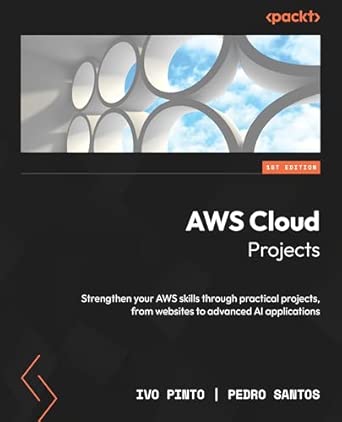 | Best for Building a Job-Ready Portfolio | Format: Kindle / Print book | Platform Focus: AWS | Skill Level: Beginner to advanced | VIEW LATEST PRICE | See Our Full Breakdown |
| Cloud Hosting Explained for Normal People |  | Best Plain-English Primer | Format: Kindle book | Platform Focus: Vendor-neutral | Skill Level: Absolute beginner | VIEW LATEST PRICE | See Our Full Breakdown |
| Cloud Computing 101: A Primer for Project Managers |  | Best for Team Leads and Group Projects | Format: Kindle book | Platform Focus: Vendor-neutral | Skill Level: Introductory | VIEW LATEST PRICE | See Our Full Breakdown |
| Cloud Hosting for Beginners: Learn to Host Your Website in the Cloud |  | Best for Your First Website Deployment | Format: Kindle book | Platform Focus: General cloud hosting | Skill Level: Beginner | VIEW LATEST PRICE | See Our Full Breakdown |
| Cloud and Hosting Second Edition |  | Best Depth for Ambitious Learners | Format: Print book | Edition: Second Edition | Platform Focus: Vendor-neutral | VIEW LATEST PRICE | See Our Full Breakdown |
| cloud hosting for student project | Format | Approach | Platform Focus | Skill Level |
|---|---|---|---|---|
| Five Cloud Portfolio Projects | Kindle eBook | Project-based, hands-on | — | — |
| Cloud Computing Simplified: A | Kindle eBook | — | — | — |
| A Brief Introduction to Cloud | Kindle eBook | — | — | — |
| Cloud Computing with Google Cl | Kindle eBook | Step-by-step, hands-on | — | — |
| The Cloud Computing Beginner’s | Kindle eBook | — | — | — |
| AWS Cloud Projects: Strengthen | Kindle / Print book | Hands-on project tutorials | AWS | Beginner to advanced |
| Cloud Hosting Explained for No | Kindle book | Conceptual overview | Vendor-neutral | Absolute beginner |
| Cloud Computing 101: A Primer | Kindle book | Management-focused primer | Vendor-neutral | Introductory |
| Cloud Hosting for Beginners: L | Kindle book | Step-by-step deployment guide | General cloud hosting | Beginner |
| Cloud and Hosting Second Editi | Print book | In-depth overview | Vendor-neutral | Intermediate |
More Details on Our Top Picks
Five Cloud Portfolio Projects to Help You Land Your First Cloud Job
Most student cloud books stop at theory, but this one is built around the outcome students actually want: a portfolio that gets interviews. The five projects span AWS, Azure, and GCP, which matters because employers rarely care which platform you learned on — they care that you shipped something real. Compared with A Brief Introduction to Cloud Computing, this pick trades breadth for direction; where that book explains what the cloud is, this one shows you what to build with it. The tradeoff is real, though: five projects is a tight ceiling, and readers who want deep architecture explanations or platform-specific mastery will finish hungry. Paired with a broader primer, it works; on its own, it’s a roadmap rather than a reference.
Pros:- Hands-on projects across all three major cloud platforms
- Directly targets the job-search outcome students care about
- Project structure gives a clear path from idea to finished portfolio piece
- Multi-platform exposure keeps options open for different employer stacks
Cons:- Only five projects, so coverage of the cloud landscape is narrow
- Not a standalone learning resource — assumes some prior familiarity
Best for: Students who already grasp cloud basics and need concrete portfolio projects to show recruiters
Not ideal for: Absolute beginners who still need foundational concepts explained before attempting projects
- Format:Kindle eBook
- Platforms covered:AWS, Azure, GCP
- Number of projects:5
- Level:Beginner to early intermediate
- Focus:Portfolio building and job preparation
- Approach:Project-based, hands-on
Our verdict“The right choice if your goal is interview-ready projects rather than encyclopedic cloud knowledge.”
Cloud Computing Simplified: A Student’s Guide to the Digital Sky
This is the book I’d hand a classmate on day one of a cloud course. It explains core cloud concepts in plain student-friendly language, covering the landscape without assuming any prior infrastructure knowledge. Where Five Cloud Portfolio Projects jumps straight into building, this one builds the vocabulary first — service models, deployment models, and how providers differ — which makes it the natural prerequisite. Compared with A Brief Introduction to Cloud Computing, it’s more explicitly aimed at students, with pacing and framing tuned for coursework rather than general curiosity. The limitation is equally clear: it’s a concepts book, not a skills book. You’ll finish understanding the cloud but not having deployed anything, and experienced readers will find nothing new.
Pros:- Genuinely accessible explanations with no assumed background
- Covers the full conceptual landscape of cloud computing
- Student-oriented framing fits coursework pacing well
- Good springboard before moving to project-based books
Cons:- No labs, exercises, or deployment walkthroughs
- Too basic for anyone with existing IT or DevOps knowledge
Best for: First- and second-year students taking an intro cloud or IT course who need concepts explained simply
Not ideal for: Students who need hands-on deployment skills — this covers theory, not practice
- Format:Kindle eBook
- Audience:Students and complete beginners
- Coverage:Cloud concepts, service and deployment models
- Level:Beginner
- Hands-on content:None — concept-focused
- Reading style:Straightforward, non-technical
Our verdict“The best starting point if you need the concepts before touching a console.”
A Brief Introduction to Cloud Computing
Sometimes you don’t need a course — you need a short read before a lecture, presentation, or group project. That’s this book’s role: a compact overview of cloud concepts, technologies, and applications that respects your time. It sits somewhere between Cloud Computing Simplified (more student-focused, longer) and The Cloud Computing Beginner’s Handbook (visual, even lighter), making it a middle option for readers who want substance without visuals or hand-holding. The brevity is the whole point, but it cuts both ways: technical depth is thin and sourcing is opaque, with minimal author and publication detail, which makes it harder to cite in academic work. For a fast orientation it does the job; for anything beyond fundamentals, plan on a second book.
Pros:- Short enough to finish in one sitting
- Covers fundamentals, technologies, and applications in one pass
- Cheap entry point for testing interest in the field
- Neutral treatment — not tied to any single provider
Cons:- Little technical depth beyond surface definitions
- Sparse author and publication metadata limits citability
Best for: Students who need a fast, affordable orientation before a class unit, group project, or presentation
Not ideal for: Anyone writing a cited paper or needing verifiable, in-depth technical detail
- Format:Kindle eBook
- Length:Brief — designed for one sitting
- Level:Beginner
- Coverage:Concepts, technologies, applications
- Provider focus:Platform-neutral
- Hands-on content:None
Our verdict“A serviceable quick primer if you need the big picture fast and cheap.”
Cloud Computing with Google Cloud: Projects and Real Use Cases on GCP From Beginner to Cloud Professional
While Five Cloud Portfolio Projects spreads itself across three platforms, this book bets everything on one — and that focus pays off for students who’ve chosen Google Cloud as their track. Step-by-step GCP projects grounded in real use cases mean you’re not just following tutorials but understanding how businesses actually deploy GCP, which is exactly what a Google Cloud certification path or a GCP-focused internship demands. The tradeoff is platform lock-in: everything you learn maps to Google’s ecosystem, so students targeting AWS-heavy employers get less mileage here. It’s also positioned as beginner-to-professional, and the back half thins out for advanced practitioners. Still, as a deliberate specialization choice after a general primer like Cloud Computing Simplified, it’s the strongest single-vendor option in this lineup.
Pros:- Deep, focused GCP coverage rather than shallow multi-platform sampling
- Real-world use cases connect labs to actual industry scenarios
- Structured progression from beginner toward professional-level material
- Step-by-step guidance reduces getting-lost moments common in cloud labs
Cons:- Locked to one vendor — skills don’t transfer directly to AWS or Azure
- Advanced sections lack the depth genuine professionals need
Best for: Students committed to a Google Cloud career track or preparing for GCP certifications
Not ideal for: Students who want broad multi-platform exposure or are targeting AWS-centric job listings
- Format:Kindle eBook
- Platform:Google Cloud Platform (GCP)
- Level range:Beginner to professional
- Content type:Projects and real use cases
- Approach:Step-by-step, hands-on
- Certification alignment:Suits GCP certification preparation
Our verdict“The clear pick if GCP is your chosen track; skip it if you want platform flexibility.”
The Cloud Computing Beginner’s Handbook: A Visual Introduction to Where Your Files Live and How the Internet’s Computers Work
Not every student learns from walls of text, and this book’s visual-first approach fills that gap in the lineup. Diagrams showing where files actually live and how internet-connected computers cooperate turn abstract cloud concepts into something you can picture — a real advantage for non-CS majors or younger students encountering the material for the first time. Compared with Cloud Computing Simplified, it trades some conceptual thoroughness for accessibility; the visual framing makes ideas stick faster but covers less ground. And unlike Cloud Computing with Google Cloud, there are no exercises or labs at all, so it can’t carry a practical course module by itself. Think of it as the on-ramp: the easiest possible entry before committing to a project-based book.
Pros:- Visual explanations make abstract concepts concrete and memorable
- Extremely low barrier to entry for non-technical readers
- Answers everyday questions like where files actually live
- Fast read that builds confidence before deeper study
Cons:- No practical exercises, labs, or projects included
- Conceptual depth is the shallowest in this lineup
Best for: Visual learners and non-technical students who grasp ideas better through diagrams than prose
Not ideal for: Students needing hands-on practice — there are no exercises or deployment steps
- Format:Kindle eBook
- Learning style:Visual, diagram-driven
- Level:Absolute beginner
- Coverage:File storage, internet infrastructure basics
- Hands-on content:None
- Audience:Non-technical and visual learners
Our verdict“The gentlest possible on-ramp to cloud concepts — pair it with a project book for actual skills.”
AWS Cloud Projects: Strengthen Your AWS Skills Through Practical Projects, from Websites to Advanced AI Applications
Among the books in this roundup, this one stands out for doing rather than explaining. Where Cloud Hosting Explained for Normal People stops at concepts, this title pushes students through hands-on AWS builds spanning websites up to AI applications — exactly the kind of portfolio artifact that impresses recruiters. Compared with Five Cloud Portfolio Projects to Help You Land Your First Cloud Job, the scope here is broader, reaching into advanced territory rather than stopping at entry-level demos. The tradeoff is real: project-driven books assume you’ll troubleshoot on your own, so readers wanting hand-holding will struggle. It also ties you to the AWS ecosystem, which matters if your coursework uses Google Cloud or Azure.
Pros:- Project-based format that produces portfolio-worthy results
- Coverage ranges from simple websites to advanced AI applications
- Scales across skill levels, so it stays useful as abilities grow
- Focuses on AWS, the most in-demand cloud platform for entry-level jobs
Cons:- No customer reviews or ratings yet, so quality is unverified
- Locked to AWS — less useful for students on Google Cloud or Azure curricula
- Lacks a detailed content overview to gauge difficulty before buying
Best for: Students who already know basic cloud concepts and want tangible AWS projects to showcase in internship applications
Not ideal for: Complete beginners with no AWS account experience — the projects assume familiarity with the console and core services
- Format:Kindle / Print book
- Platform Focus:AWS
- Skill Level:Beginner to advanced
- Approach:Hands-on project tutorials
- Topic Range:Websites through AI applications
- Primary Audience:Learners building practical AWS skills
Our verdict“This pick makes the most sense for students who want their cloud learning to end with deployable projects, not just notes.”
Cloud Hosting Explained for Normal People
If jargon is the barrier between you and your first deployed project, this is the friendliest entry point in the lineup. It simplifies cloud hosting concepts without assuming any technical background, which sets it apart from denser titles like Cloud and Hosting Second Edition. Compared with Cloud Computing 101: A Primer for Project Managers, the framing here is consumer-friendly rather than business-oriented — you’ll learn how cloud services actually work, not how to manage a budget around them. The compromise is depth: once you understand the concepts, there’s nothing here about actually launching a server, and students in technical programs will outgrow it within a semester.
Pros:- Genuinely accessible language with no assumed background
- Covers the fundamentals of how cloud services function
- Short enough to read before a project kicks off
- Cheaper and faster than video courses for basic literacy
Cons:- Lacks detailed technical information beyond foundational concepts
- No practical walkthroughs for actually hosting anything
- No specific features or specifications to anchor the concepts
Best for: Non-technical students — design, business, or liberal arts majors — who need to understand cloud hosting for a group project
Not ideal for: CS or IT students who need deployment steps and technical detail for graded coursework
- Format:Kindle book
- Platform Focus:Vendor-neutral
- Skill Level:Absolute beginner
- Approach:Conceptual overview
- Topic Range:Cloud hosting fundamentals
- Primary Audience:Non-technical readers
Our verdict“A smart first read for non-technical students who need cloud literacy fast, but pair it with a hands-on guide if you must deploy something.”
Cloud Computing 101: A Primer for Project Managers
Most books in this roundup teach you to build; this one teaches you to manage the building. Aimed at project managers, it frames cloud computing around benefits, costs, and best practices — the exact concerns of a student leading a capstone team with a shared cloud budget. Compared with Cloud Hosting for Beginners, which walks through deployment mechanics, this title stays one level up, covering what to decide rather than how to type commands. That makes it a strong complement to a hands-on book like AWS Cloud Projects rather than a replacement. The gap: technical depth is thin, and the missing edition information raises questions about how current the cloud examples are.
Pros:- Frames cloud concepts around management decisions, not just technology
- Includes practical insights and best practices for cloud projects
- Directly useful for planning timelines and budgets on team assignments
- Clear, introductory writing that doesn’t require an IT background
Cons:- Lacks technical depth for anyone doing the hands-on work
- No edition or publication date listed, so currency is uncertain
- Business framing may feel abstract to solo student developers
Best for: Students managing group projects or team leads coordinating a cloud-based deployment across multiple contributors
Not ideal for: Individual students who personally need to configure servers — there’s no implementation guidance here
- Format:Kindle book
- Platform Focus:Vendor-neutral
- Skill Level:Introductory
- Approach:Management-focused primer
- Topic Range:Cloud concepts, benefits, best practices
- Primary Audience:Project managers and team leads
Our verdict“Worth buying if you’re the person organizing the project rather than the one typing the commands.”
Cloud Hosting for Beginners: Learn to Host Your Website in the Cloud
This title earns its spot by being the most task-focused book in the lineup: it exists to get one website live in the cloud. That narrow mission differentiates it from Cloud Hosting Explained for Normal People, which explains ideas but never deploys anything, and from AWS Cloud Projects, which spreads across many project types. For a student whose immediate goal is hosting a class or portfolio site this week, the step-by-step practical guidance is exactly right. The tradeoff is scope — there’s no comparison of pricing or providers, so once your site is up, you’ll need another resource to decide whether you’re on the right platform or paying too much.
Pros:- Practical, step-by-step guidance for an actual deployment
- Written for readers with zero cloud experience
- Covers the essential concepts needed to host successfully
- Focused mission means less time wasted on irrelevant material
Cons:- No information on pricing or provider comparisons
- Lacks detailed technical specifications beyond the basics
- Single-website focus limits usefulness for broader coursework
Best for: Students who need to get a single website hosted quickly for a class deadline or portfolio
Not ideal for: Students comparing providers or planning multi-service projects — the book doesn’t evaluate pricing or platforms
- Format:Kindle book
- Platform Focus:General cloud hosting
- Skill Level:Beginner
- Approach:Step-by-step deployment guide
- Topic Range:Website hosting essentials
- Primary Audience:First-time website hosts
Our verdict“The fastest path from zero to a live cloud-hosted site, as long as you don’t need help choosing between providers.”
Cloud and Hosting Second Edition
For students who want more than a primer, this second edition goes wider and deeper than anything else here, covering cloud infrastructure alongside current industry trends. Where Cloud Computing 101 and Cloud Hosting Explained for Normal People deliberately stay shallow, this title assumes readers are ready for substantive material — a better fit for IT students eyeing certifications or internships. The catch is that breadth comes without implementation guides; compared with Cloud Hosting for Beginners, you’ll understand far more about the landscape but won’t be walked through a single deployment. No supplementary materials means every lab and exercise is on you to arrange.
Pros:- Comprehensive coverage across cloud and hosting topics
- Updated with the latest industry trends and technologies
- Depth that supports certification prep and technical interviews
- Suitable for both IT professionals and serious students
Cons:- No detailed technical implementation guides
- No supplementary materials, labs, or exercises included
- Heavier read that may overwhelm casual learners
Best for: IT and computer science students who want deep conceptual grounding before specializing in a specific platform
Not ideal for: Students who learn by doing — the absence of implementation walkthroughs makes it a frustrating first cloud book
- Format:Print book
- Edition:Second Edition
- Platform Focus:Vendor-neutral
- Skill Level:Intermediate
- Approach:In-depth overview
- Topic Range:Cloud computing and hosting strategies
- Primary Audience:IT professionals and students
Our verdict“The strongest conceptual foundation in this roundup, provided you pair it with a hands-on resource to actually practice.”

How We Picked
I evaluated each resource through one lens: does it help a student deploy and showcase a real project in the cloud without spending money they don’t have? The criteria weighted most heavily were hands-on project content, free-tier compatibility, beginner accessibility, and portfolio value for job applications. Resources that stopped at conceptual explanations of cloud computing ranked lower than ones that got readers to a deployed website or running service.
Ranking also reflected audience fit. A beautifully written introduction to cloud theory scores well for curiosity but poorly for a student with a deadline and a capstone to host. I compared each entry against at least two others in the lineup to separate genuine differentiation from overlapping content, and resources that covered cost traps and billing safety earned extra consideration, since surprise charges are the fastest way to end a student’s cloud experiment.
| cloud hosting for student project | Format | Platform Focus | Skill Level | Topic Range |
|---|---|---|---|---|
| Five Cloud Portfolio Projects | Kindle eBook | — | — | — |
| Cloud Computing Simplified: A | Kindle eBook | — | — | — |
| A Brief Introduction to Cloud | Kindle eBook | — | — | — |
| Cloud Computing with Google Cl | Kindle eBook | — | — | — |
| The Cloud Computing Beginner’s | Kindle eBook | — | — | — |
| AWS Cloud Projects: Strengthen | Kindle / Print book | AWS | Beginner to advanced | Websites through AI applications |
| Cloud Hosting Explained for No | Kindle book | Vendor-neutral | Absolute beginner | Cloud hosting fundamentals |
| Cloud Computing 101: A Primer | Kindle book | Vendor-neutral | Introductory | Cloud concepts, benefits, best practices |
| Cloud Hosting for Beginners: L | Kindle book | General cloud hosting | Beginner | Website hosting essentials |
| Cloud and Hosting Second Editi | Print book | Vendor-neutral | Intermediate | Cloud computing and hosting strategies |
Factors to Consider When Choosing Cloud Hosting For Student Projects
Choosing a cloud hosting resource as a student involves more than picking the best-rated title. These are the factors that actually change outcomes.Free Tier Generosity Varies by Provider
The single most expensive mistake students make is assuming all free tiers work the same way. Oracle Cloud and Google Cloud offer genuinely always-free compute instances, while AWS’s free tier mostly runs on a 12-month clock with usage caps that quietly expire. A resource that teaches GCP or Oracle free-tier deployments can save you real money compared with one built around AWS trials. Before committing to any guide, check whether its projects can run on a tier that stays free after your first year — or at minimum, set a billing alert the day you create an account. Students who skip this step often discover a $40 charge two months into a hobby project.
Match the Guide to Your End Goal
If your goal is an internship or first job, a provider-specific path matters more than a general one, because hiring managers recognize platform names on a resume. If your goal is simply hosting a class project or personal site, a short deployment-focused guide beats a 400-page certification prep book every time. And if you’re still figuring out whether cloud work interests you at all, a conceptual introduction costs less time up front and prevents you from sinking weeks into AWS specifics you may never use. Be honest about which of these three students you are before buying anything.
Hands-On Beats Theory for Retention
Books that pair every concept with a buildable project consistently produce better outcomes than lecture-style texts. The reason is simple: deploying a real service forces you to confront DNS, permissions, and cost settings that theory books abstract away. When comparing resources, count the projects, not the pages. A guide with five small deployable exercises will teach you more than one with twenty chapters of architecture diagrams. The tradeoff is pace — hands-on books move slower and assume you’ll actually do the work.
Watch for Outdated Console Screenshots
Cloud consoles change constantly, and a book published even two years ago may show interfaces that no longer exist. This hits beginners hardest, because they can’t tell whether they’re lost or the book is wrong. Check the publication date, look for recent editions, and favor resources that describe steps conceptually alongside screenshots so you can adapt when menus move. Newer editions of older titles, like second editions of hosting guides, usually fix this problem deliberately.
Don’t Pay for Certification Prep You Don’t Need Yet
Premium, certification-aligned books carry a real cost premium and assume you want a career in cloud, not just a hosted project. For most students, that’s an unnecessary commitment at the start. A cheaper beginner guide that gets your project live, followed by cert prep only if you enjoy the work, is the more rational sequence. The reverse order — buying a certification book first — frequently leads to abandoned reading and an unhosted project.
Frequently Asked Questions
Can I host a student project in the cloud completely for free?
Yes, but only if you pick the right provider and stay inside strict limits. Google Cloud and Oracle Cloud both offer always-free tiers that include small compute instances suitable for a portfolio site or lightweight API, and they don’t expire after 12 months. AWS and Azure free offerings are more time-limited and easier to accidentally exceed. Whatever you choose, set a billing alert and a spending cap immediately after signing up — the most common student horror story is a forgotten running instance generating charges on a student bank account. A guide that walks through free-tier setup explicitly is worth more than a generic one.
Should I learn AWS or Google Cloud first as a student?
For job prospects, AWS still appears in more job listings, so an AWS-focused project path has an edge for internship applications. For free experimentation, Google Cloud is friendlier because of its always-free tier and its association with student credit programs like the GCP education grants many universities distribute. If your university gives you credits on one platform, start there — free credits beat theoretical platform debates every time. The good news is that core concepts like virtual machines, object storage, and IAM transfer between platforms, so your first choice is not permanent.
Do I need a book at all, or can I just follow free tutorials?
Free tutorials work well for narrow tasks like deploying a single static site, but they tend to skip the surrounding knowledge — security groups, cost controls, DNS, and what to do when something breaks. A structured resource pays for itself by covering failure modes and fundamentals that tutorials assume you already know. For a one-off class project, a tutorial is probably enough. For a portfolio you’ll maintain and talk about in interviews, structured learning gives you the vocabulary to explain what you built, which is exactly what interviewers probe.
What kind of project actually impresses employers on a student resume?
Not a static homepage. Projects that show deployment, automation, and cost awareness stand out: a small API with a database, a CI/CD pipeline that deploys on commit, or a monitoring dashboard for your own services. Employers also respond well to projects with a live URL they can click, which is exactly why deployment-focused guides outrank theory books in this roundup. One well-documented deployed project with a GitHub readme beats five unfinished tutorial clones. Choose a guide built around portfolio-worthy projects rather than exercises you delete afterward.
How much should a student expect to spend on cloud hosting total?
If you use free tiers correctly and pick a beginner guide, your realistic total is the cost of the book or course — somewhere between zero and $40. The danger is not the guide, it’s the cloud bill: a mid-sized VM left running 24/7 can cost $15–40 per month. Students should default to the smallest instance sizes, shut down idle resources, and treat anything beyond the free tier as a deliberate decision rather than an accident. Budgeting thirty minutes to learn each provider’s billing dashboard will save more money than any other step in this entire process.
Conclusion
For best overall, Cloud Hosting for Beginners: Learn to Host Your Website in the Cloud earns the top spot because it converts reading time into a live project faster than anything else here. The best value pick is Cloud Computing with Google Cloud, which pairs career-relevant platform skills with a genuinely free tier. For career-focused students, AWS Cloud Projects is the premium choice — deeper, longer, and aimed squarely at internship applications. True beginners who want intuition before commands should start with The Cloud Computing Beginner’s Handbook or Cloud Hosting Explained for Normal People, then graduate to a deployment guide. And for a specific niche — students managing team projects rather than building them — Cloud Computing 101: A Primer for Project Managers fills a role nothing else in this lineup does. Start with your goal, not the book’s rating, and the right choice becomes obvious.
Halloween Picks
halloween
As an affiliate, we earn on qualifying purchases.