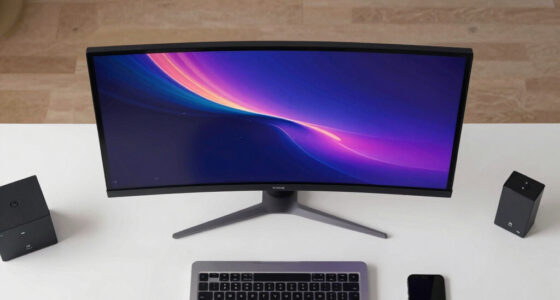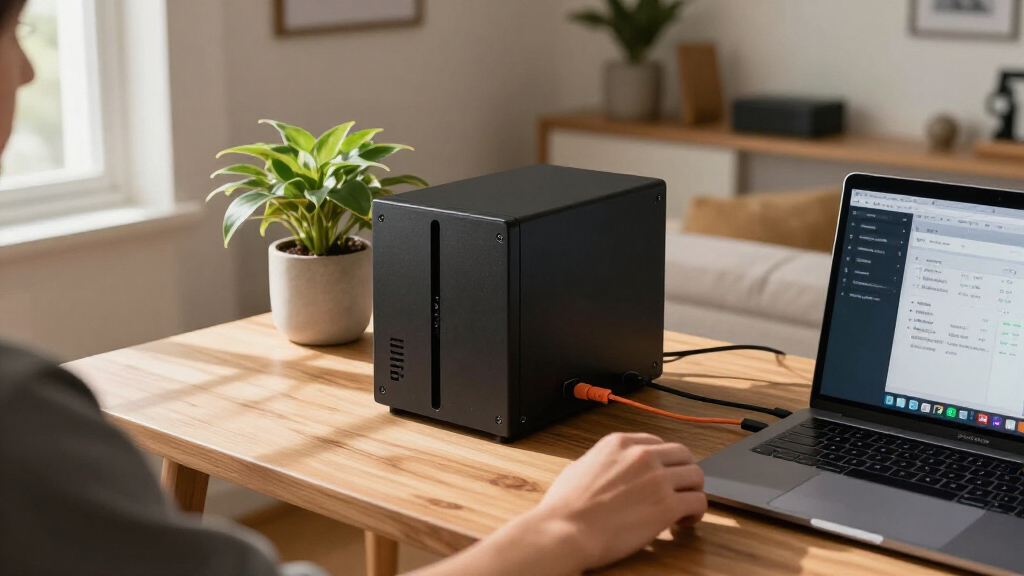

Finding the best self-hosting servers in 2026 involves balancing performance, ease of use, and budget. The top pick, the Dell PowerEdge R640 with high core counts and large RAM capacity, stands out for enterprise-grade reliability. For those seeking a more affordable, plug-and-play option, the DARGO Mini Server offers simplicity and decent specs for home labs. Meanwhile, the Synology DiskStation DS225+ shines for media-focused users who prioritize NAS features. The main tradeoffs in this category revolve around raw power versus ease of setup, and cost versus expandability. Continue reading for a detailed breakdown of these options and more, to find the best fit for your needs.

Get business pricing on networking and server gear
- Business-only prices and quantity discounts
- Tax-exempt purchasing
- Multiple users, one account, clear invoices
Key Takeaways
- High core count and RAM capacity are key for enterprise-level self-hosting; the Dell PowerEdge R640 models excel here.
- Plug-and-play mini servers like DARGO provide simplicity for home users but may lack high-end expandability.
- NAS-based solutions such as Synology offer excellent media and storage management but are less suited for heavy virtualization.
- Renewed or refurbished servers can provide high performance at lower cost but may have limited warranty or newer hardware features.
- Choosing the right server depends heavily on intended workload—consider future scalability and specific use cases.


| self-hosting server | Storage | Processor |
|---|---|---|
| Dell PowerEdge R640 Server 3.5 | 9.6TB | 3.50GHz 16-Core |
| DARGO Mini Server | 1TB SSD | Quad-core |
| PCSP R640 8 Bay SFF DNS & Home | 2x 1TB SATA SSD | 2x Silver 4114 (20-Core/40-Thread) |
| Dell PowerEdge R640 Server 2X | 800GB SSD + 10.8TB HDD | — |
| Dell PowerEdge R640 Server 2.7 | 2x 480GB SSD + 6x 1.2TB HDD | — |
| ZimaBlade 7700 Home Server Sta | — | Intel Quad-Core |
| Hewlett Packard Enterprise Pro | 1TB SATA HDD | Intel Pentium Gold G7400 3.7GHz |
| Synology DS225+ Private Cloud | — | — |
| Synology 4-Bay DiskStation DS9 | — | — |
| Dell PowerEdge R630 Server wit | 2x 1TB SSD | 2x Intel Xeon E5-2690 v4 |
| Mastering Self-Hosting for Hom | — | — |
More Details on Our Top Picks
Dell PowerEdge R640 Server 3.50GHz 16-Core 192GB RAM 9.6TB Windows Server Rails (Renewed)
This Dell PowerEdge R640 offers a compelling mix of power and expandability, making it ideal for demanding self-hosting environments. Its 3.50GHz 16-core processor and 192GB RAM ensure smooth handling of multiple virtual machines or intensive applications. Compared with the less powerful R640 with dual Gold processors, this model provides a more balanced setup for high performance without excessive complexity. The 9.6TB storage capacity is perfect for large datasets, though its weight and power draw mean it’s less suitable for small or home setups. The lack of detailed warranty info in the renewal process is a potential concern for long-term reliability.
Pros:- High-performance 16-core processor for demanding workloads
- Large 192GB RAM capacity supports virtualization and intensive applications
- Significant 9.6TB storage for large data needs
- Renewed with quality standards, including power cords
Cons:- Heavy weight (50.3 pounds) may require assistance for handling
- No detailed warranty info, which could impact long-term support
- Higher power consumption due to high specs
Best for: IT professionals or data centers needing a robust, high-capacity server for enterprise-grade self-hosting.
Not ideal for: Home users or small office setups where space, weight, and power consumption are limiting factors.
- Processor:3.50GHz 16-Core
- RAM:192GB
- Storage:9.6TB
- Form Factor:Rackmount
- Model:PowerEdge R640
- Condition:Renewed
Our verdict“This server is best suited for enterprise environments where performance and capacity outweigh portability and cost.”
DARGO Mini Server – Plug & Play Home Host with 16GB RAM and 1TB SSD, Free Domain & Auto SSL
The DARGO Mini Server stands out for its simplicity and ease of use, making it an excellent choice for individuals new to self-hosting. Its plug-and-play setup and support for open-source apps mean you can quickly deploy websites, private clouds, or media servers without technical hassle. Unlike the enterprise-focused Dell models, this device prioritizes user-friendliness over raw power, which makes it less suitable for high-traffic or resource-intensive applications. The included free SSL and domain support add value for those looking to host securely with minimal configuration. However, its hardware might be overkill for simple file sharing or lightweight projects, and limited details on hardware specs could concern more advanced users.
Pros:- Plug-and-play setup simplifies deployment
- No recurring hosting or subscription fees
- Supports a wide range of open-source applications with one-click deployment
- Includes free SSL and custom domain support for secure hosting
Cons:- High-performance hardware may be overkill for basic projects
- Potential additional costs for handling high traffic
- Limited detailed hardware specifications in the description
Best for: Home users or small business owners seeking an easy, all-in-one self-hosting solution without technical complexity.
Not ideal for: Power users or high-traffic websites that require more robust hardware or scalability.
- RAM:16GB
- Storage:1TB SSD
- Processor:Quad-core
- Network Connectivity:Gigabit Ethernet
Our verdict“This server is ideal for beginners or small projects where ease of use and security are priorities over raw power.”
PCSP R640 8 Bay SFF DNS & Homelab Server, Dual Intel Silver 4114 (20-Core/40-Thread), 2x 1TB SATA SSD, H730 RAID, X710/i350 10GbE/1GbE Quad-Port NIC, Windows 2025 Eval
The PCSP R640 offers a compelling balance of power and expandability, making it well-suited for homelabs, DNS, and virtualization tasks. Its dual Intel Silver 4114 processors provide 20 cores each, outperforming single-processor options like the DARGO Mini, especially for multitasking or VM hosting. The maximum RAM of 384GB allows for extensive virtualization environments, and the network ports include 10GbE, enabling fast data transfer. Compared to enterprise models, its compact 8-bay form factor and Windows 2025 Eval make it accessible for tech-savvy enthusiasts, though setup and configuration require some expertise. Its refurbished nature might also mean variability in appearance or hardware condition.
Pros:- Dual Intel Silver 4114 processors for high multitasking performance
- Maximum 384GB RAM supports extensive virtualization
- Multiple network ports including 10GbE for high-speed networking
- Includes RAID support for data redundancy
Cons:- Requires technical knowledge for setup and management
- Limited to Windows 2025 Eval, not a full license
- Refurbished status might affect appearance or hardware reliability
Best for: Tech enthusiasts or small-scale virtualization labs needing a powerful, expandable server that can run multiple services reliably.
Not ideal for: Users seeking plug-and-play simplicity or those uncomfortable with Windows Server configuration.
- Processor:2x Silver 4114 (20-Core/40-Thread)
- Memory:Up to 384GB DDR4
- Storage:2x 1TB SATA SSD
- Network Interfaces:X710/i350 10GbE/1GbE quad-port
- Form Factor:8 Bay SFF DNS & Homelab
- Operating System:Windows 2025 Eval
Our verdict“This server best serves experienced users needing a flexible, high-performance platform for homelab or DNS applications.”
Dell PowerEdge R640 Server 2X Gold 6150 2.70GHz 36-Core 256GB RAM 800GB SSD + 10.8TB (Renewed)
This Dell PowerEdge R640 with dual Gold 6150 processors delivers exceptional performance for demanding enterprise tasks. Its 36-core, 72-thread configuration outperforms single-processor options like the Silver 4114, especially in multi-threaded workloads. The 256GB RAM supports large-scale virtual environments, while the 800GB SSD paired with 10.8TB of additional storage offers versatile data handling. Compared to lower-spec models, this setup prioritizes raw computing power and reliability, but its weight and higher cost make it less suitable for smaller or less critical setups. As a renewed product, warranty coverage may be limited, which is a consideration for sustained operation.
Pros:- High-performance dual Gold 6150 processors with 36 cores each
- Large 256GB RAM for extensive virtualization and data processing
- Versatile storage with SSD and massive HDD capacity
- Enterprise-level reliability and expandability
Cons:- Heavy and bulky, over 50 pounds, requiring sturdy rack setup
- Higher price point typical for enterprise hardware
- Renewed status may impact warranty and support
Best for: Large-scale enterprises or data centers requiring high-performance, dual-socket servers for critical self-hosted applications.
Not ideal for: Home users or small businesses with limited space or budget constraints.
- Processors:2x Gold 6150 36-Core
- RAM:256GB DDR4
- Storage:800GB SSD + 10.8TB HDD
- Form Factor:Rackmount
- Condition:Renewed
Our verdict“This server is perfect for large-scale, performance-critical self-hosting environments where enterprise reliability is essential.”
Dell PowerEdge R640 Server 2.70GHz 36-Core 256GB RAM 2x 480GB SSD 6x 1.2TB HDD (Renewed)
This Dell PowerEdge R640 offers a comprehensive storage and processing solution, making it suitable for data-driven self-hosting. Its dual 36-core Xeon Gold processors deliver robust computational power, outperforming single-processor setups like the Silver 4114. The 256GB RAM supports virtualization and complex applications, and the storage configuration includes fast 480GB SSDs plus 7.2TB of HDD space for bulk data. While the extensive storage and high processing power excel in enterprise scenarios, the significant weight, cost, and the fact it’s a renewed product mean it’s less ideal for smaller or budget-conscious setups. The lack of optical drives and limited warranty information are additional considerations.
Pros:- Powerful dual Xeon Gold 6150 processors with 36 cores each
- Large 256GB RAM capacity for heavy multitasking
- Flexible storage with SSDs and HDDs for performance and capacity
- Dual 10GbE and 1GbE network ports for high-speed connectivity
Cons:- Heavy weight and large size, requiring sturdy rack installation
- Limited warranty due to renewed status
- No included optical drive, which may be necessary for some use cases
Best for: Organizations or advanced users hosting large databases, virtualization, or data-heavy applications requiring reliability and scalability.
Not ideal for: Small-scale or home users needing straightforward, less expensive servers for basic services.
- Processors:2x Xeon Gold 6150 (36-Core)
- Memory:256GB DDR4
- Storage:2x 480GB SSD + 6x 1.2TB HDD
- Network:Dual 10GbE and dual 1GbE ports
- Condition:Renewed
Our verdict“This server is best suited for enterprise environments demanding high processing, extensive storage, and scalability.”
ZimaBlade 7700 Home Server Starter Kit, Intel Quad-Core, 16GB RAM
The ZimaBlade 7700 stands out for its silent, fanless design, making it ideal for living spaces where noise is a concern. It offers a straightforward setup via CasaOS, which simplifies initial configuration, and supports native x86 applications for broad compatibility. Its PCIe expansion slot allows for future upgrades, such as additional storage or networking cards, giving it a flexibility edge over more fixed setups like the Synology DS225+. However, details on internal storage are sparse, so users might need to plan separately for drives, and advanced network setup could pose a challenge for less technical users. Compared to the Synology options, it provides more hardware flexibility but requires more initial configuration.
Pros:- Fanless, silent operation ideal for home environments
- Easy 3-minute setup with CasaOS interface
- Supports native x86 applications for broad compatibility
- PCIe expansion slot for upgrades
Cons:- Limited details on internal storage capacity
- Requires familiarity with network configuration for advanced features
Best for: Tech-savvy homeowners seeking a quiet, expandable server for media and self-hosted services.
Not ideal for: Beginners or those desiring an all-in-one, preconfigured NAS solution without the need for network setup.
- Processor:Intel Quad-Core
- RAM:16GB
- Expansion:PCIe x4
- Cooling:Fanless
- Connectivity:2.5GbE
Our verdict“This pick makes the most sense for users wanting a quiet, flexible home server with room to grow, assuming some technical comfort.”
Hewlett Packard Enterprise ProLiant MicroServer Gen11 Tower Server, Intel Pentium Gold G7400, 16GB RAM, 1TB HDD, 180W Power Supply
The HPE ProLiant MicroServer Gen11 is designed with space efficiency and affordability in mind, making it a solid choice for small businesses or remote offices. Its compact tower form fits easily into tight spaces, and remote management features like HPE iLO 6 streamline administrative tasks. With 16GB DDR5 RAM and a 1TB HDD, it balances performance and storage for basic workloads, but it may fall short for intensive tasks or virtualization compared to the Dell PowerEdge R630’s enterprise-grade specs. Its processor, while sufficient for small tasks, isn’t suited for demanding applications, and it doesn’t include an operating system, so additional setup is required. For users needing a straightforward, manageable server, it’s a dependable, space-saving option.
Pros:- Space-efficient tower design fits small offices
- Remote management with HPE iLO 6
- Expandable memory and storage options
- Includes essential components for quick deployment
Cons:- Limited to basic workloads, not suitable for heavy processing
- Processor may be underpowered for demanding tasks
- No included operating system requires additional setup
Best for: Small business owners needing an affordable, easy-to-manage server for file sharing and light workloads.
Not ideal for: Power users or those running resource-intensive applications like virtualization or large-scale databases.
- Processor:Intel Pentium Gold G7400 3.7GHz
- Memory:16GB DDR5
- Storage:1TB SATA HDD
- Power Supply:180W external
- Expansion Slots:Two PCIe
- Drive Bays:Four LFF-NHP
Our verdict“Ideal for small business environments seeking a manageable, space-saving server with remote management features.”
Synology DS225+ Private Cloud Media Server – 2-Bay Diskless NAS with Intel CPU for Hardware Transcoding
The Synology DS225+ makes a compelling case for users focused on media streaming and data backup, thanks to its hardware transcoding and 4K support. It’s especially appealing compared to the DS925+ because of its smaller size and straightforward setup for media tasks, but being diskless means users must purchase drives separately, adding to initial costs. Its automated backup, RAID redundancy, and surveillance support with AI detection make it a versatile, reliable solution. However, beginners might find the advanced features daunting to configure, and it’s limited to two drive bays, which could restrict storage expansion over time. For media-heavy users needing robust transcoding and security features, this NAS delivers excellent value.
Pros:- Supports 4K media streaming and hardware transcoding
- Automated backups and RAID redundancy
- Supports AI-enabled surveillance with remote monitoring
- Reliable 3-year warranty
Cons:- Diskless design requires buying drives separately
- Setup can be complex for users unfamiliar with NAS configurations
Best for: Home users or small offices prioritizing media streaming, backups, and surveillance with minimal fuss.
Not ideal for: Power users needing large storage capacity or enterprise-level scalability.
- Storage Bays:2
- CPU:Intel
- Transfer Speed:282 MB/s
- Supports Cameras:Up to 30 IP cameras
- Warranty:3 Years
Our verdict“Perfect for media enthusiasts seeking a reliable, feature-rich media server with security capabilities, despite requiring additional drives.”
Synology 4-Bay DiskStation DS925+ (Diskless)
The Synology DS925+ excels as a versatile, high-capacity NAS capable of supporting virtualization, surveillance, and intensive data workloads. Its four bays provide more room for storage expansion compared to the DS225+, making it suitable for users planning larger data sets or multiple applications. Dual 2.5GbE ports ensure fast network speeds, and its hardware is reliable enough for demanding environments, backed by a 3-year warranty. While it shares the diskless design with the DS225+, its larger capacity and advanced features make it more complex to set up, especially for beginners. It’s an excellent choice for those needing a scalable, high-performance data platform but requires investment in drives.
Pros:- High data transfer speeds with dual 2.5GbE
- Supports virtualization and surveillance applications
- More bays for scalable storage
- Reliable hardware with a 3-year warranty
Cons:- Diskless model requires additional drive purchase
- Setup and configuration can be complex for newcomers
Best for: Small businesses or advanced home users needing scalable storage and virtualization support.
Not ideal for: Beginners or those wanting a simple, plug-and-play NAS without managing drives and configurations.
- Drive Bays:4
- Network Ports:Dual 2.5GbE
- Throughput:up to 522/565 MB/s
- Warranty:3 years
Our verdict“A solid choice for users seeking scalable, high-performance storage with virtualization capabilities, provided they’re comfortable with setup complexity.”
Dell PowerEdge R630 Server with Dual Intel Xeon E5-2690 v4 Processors, 128GB RAM, 2x 1TB SSD
The Dell PowerEdge R630 is aimed at high-performance scenarios, with dual Xeon E5-2690 v4 processors delivering 28 cores total, and 128GB RAM suitable for virtualization, databases, or intensive applications. Its 2x 1TB SSDs provide fast storage, and the rack-mount form factor suits enterprise environments. Compared to smaller, consumer-focused options like the Synology NAS devices, this server is overkill for typical home use but ideal for those needing serious compute power and scalability. Its size and complexity make it impractical for most home setups, and as a renewed product, warranty support might be limited. This is geared toward advanced users or small data centers rather than casual self-hosters.
Pros:- Extremely high processing power with 28 cores
- Large 128GB RAM capacity supports heavy virtualization
- Fast SSD storage for quick data access
- Designed for enterprise environments with high scalability
Cons:- Overly powerful for typical home use
- Bulky, requiring a server rack setup
- Renewed product may have limited warranty support
Best for: Organizations or tech enthusiasts needing an enterprise-grade server with maximum processing power and scalability.
Not ideal for: Home users or hobbyists who don’t require such high-level hardware or rack infrastructure.
- Processor:2x Intel Xeon E5-2690 v4
- Cores:28 cores total
- Memory:128GB DDR4
- Storage:2x 1TB SSD
- Form Factor:1U Rack Mount
- Bay:8-Bay 2.5″
Our verdict“This server is best suited for demanding workloads and enterprise environments, far beyond the needs of average self-hosters.”
Mastering Self-Hosting for Homelabs: From Beginner to Pro Building Secure Home Servers with Linux, Docker, Proxmox VE, Networking Security, and Self-Hosted Applications
This book stands out as the most comprehensive resource for those who want to learn self-hosting from scratch and progress to advanced setups. Unlike hardware-focused options like the DARGO Mini Server, which offers plug-and-play simplicity, this guide dives deep into Linux, Docker, and Proxmox VE, making it ideal for users eager to understand the underlying technologies. However, its technical depth can be daunting for absolute beginners without prior experience. It’s perfect for hobbyists who want to grow their skills and develop a solid foundation for managing home servers securely. Compared to preconfigured solutions, this book empowers you to customize and troubleshoot independently, but it requires a willingness to learn complex concepts.
Pros:- Covers a wide range of self-hosting tools and techniques, including Linux, Docker, and Proxmox VE
- Suitable for both beginners and advanced users aiming to deepen their knowledge
- Focuses on security best practices for home server setups
- Provides practical guidance for building reliable, scalable homelabs
Cons:- Lacks specific hardware recommendations or prebuilt server options
- Content can be too technical for those new to Linux or networking
Best for: Tech-savvy beginners and intermediate users who want to master self-hosting fundamentals and build flexible homelabs
Not ideal for: Complete beginners seeking a simple, out-of-the-box server setup without a steep learning curve
- Coverage:Linux, Docker, Proxmox VE, Networking Security, Self-Hosted Applications
- Audience:Beginners to advanced users
- Focus:Building secure, scalable homelabs
- Format:Guides and tutorials
- Content Depth:Technical, detailed
- Use case:Educational, hands-on self-hosting
Our verdict“This book is ideal for motivated users ready to learn and implement advanced self-hosting techniques, rather than those seeking quick plug-and-play solutions.”
How We Picked
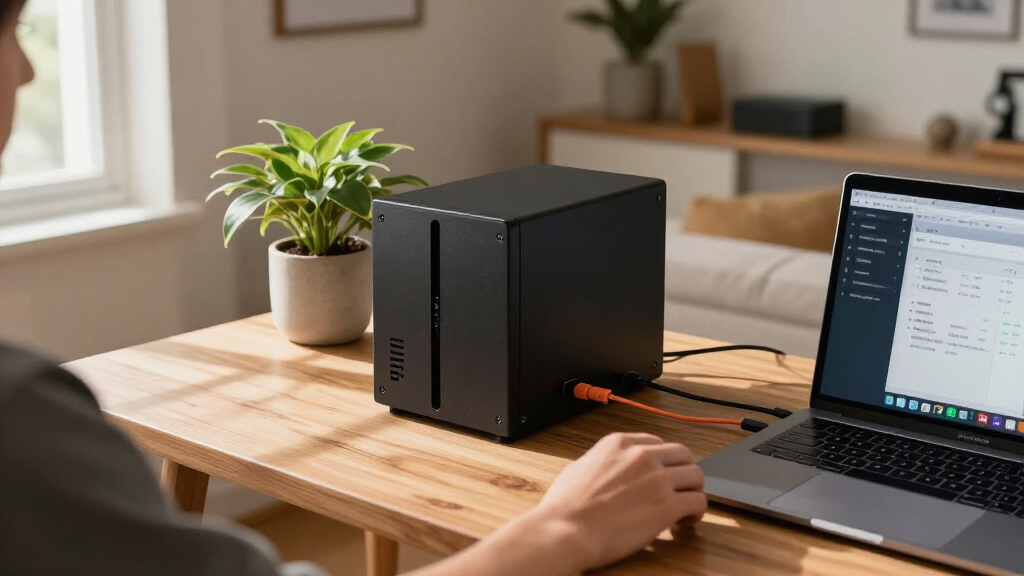
In selecting these servers, I prioritized performance metrics like CPU power, RAM capacity, and storage options, as these determine a server’s ability to handle demanding tasks. Usability factors, such as setup complexity and management features, also influenced the rankings. Build quality, warranty, and value for money played significant roles, especially when comparing new versus refurbished options. The goal was to identify versatile servers suitable for various self-hosting needs—from home labs to small business environments—while balancing cost and performance. These choices reflect a combination of expert insights and common user preferences, ensuring a practical and well-rounded lineup.Factors to Consider When Choosing Best Self-hosting Servers
Choosing the right self-hosting server involves understanding key factors that influence performance, scalability, and ease of use. To get the most value, consider your current needs and future growth. The wrong choice can lead to underperformance or unnecessary expenses, so it’s essential to weigh each factor carefully.Performance and Processing Power
Look for servers with sufficient CPU cores and clock speeds to match your workload. For example, virtualization or hosting multiple applications benefits from multi-core, high-frequency processors. Overinvesting in power may be unnecessary for simple storage or media servers, but underpowered hardware can bottleneck your projects. Balance your current demands with future scalability to avoid frequent upgrades.
Memory and Storage Options
Ample RAM is critical for multitasking and running demanding applications smoothly. Storage flexibility—such as multiple drive bays or SSD support—affects expandability and speed. Consider SSDs for faster performance and HDDs for bulk storage. Be aware that larger or faster drives increase costs but can significantly improve responsiveness and capacity.
Ease of Setup and Management
For beginners, plug-and-play options like mini servers or NAS devices simplify the process. Advanced users may prefer servers with comprehensive management interfaces or remote administration capabilities. Remember that more complex systems often require better technical knowledge and maintenance effort, which can be a challenge if you’re new to self-hosting.
Expandability and Future Proofing
Assess whether a server can grow with your needs. Multiple drive bays, PCIe slots, and RAM expandability are features to watch for. A server with limited upgrade options may become obsolete sooner, forcing a costly replacement. Planning for future workloads ensures your investment remains relevant for years to come.
Cost and Value
While high-end servers deliver top performance, they come at a premium. Refurbished or lower-spec models can provide excellent value for lighter workloads or home use. Be cautious of hidden costs like warranties, additional drives, or management tools. Always compare long-term value rather than just initial price to avoid overspending on features you won’t need.
Frequently Asked Questions
Can I use a consumer-grade PC as a self-hosting server?
Yes, a high-performance consumer PC can serve as a basic self-hosting server, especially for light workloads like media streaming or personal websites. However, consumer PCs often lack the enterprise features such as ECC RAM, advanced remote management, and higher reliability components found in dedicated servers. They may also have limited expandability and durability for continuous operation, making them less ideal for critical or long-term self-hosting projects.
Is a NAS enough for hosting my own cloud and applications?
NAS devices like Synology are excellent for file storage, media streaming, and light web hosting, offering user-friendly interfaces and integrated apps. However, they are generally less suitable for intensive workloads like virtualization, large-scale databases, or complex multi-application environments. If your needs are modest and prioritize ease of use, a NAS can be sufficient; otherwise, a dedicated server may be necessary for more demanding tasks.
What’s the benefit of choosing a refurbished server?
Refurbished servers often provide high-end hardware at a significantly lower cost, making them attractive for budget-conscious users. They typically come with some form of warranty and have been tested to meet functional standards. However, they may lack the latest hardware features, and warranty coverage could be limited. Consider the balance between savings and potential limitations when opting for refurbished equipment.
How much power consumption should I expect from a self-hosting server?
Power consumption varies widely based on hardware specifications, but enterprise-grade servers usually draw more power than mini or NAS units. For example, a high-core, multi-CPU server with multiple drives can use several hundred watts under load. Smaller, energy-efficient models or NAS devices often use less than 50-100 watts, which is an important consideration if you plan to run your server continuously and want to keep electricity costs manageable.
Do I need special technical skills to manage a self-hosting server?
Managing a self-hosting server can range from straightforward to complex depending on your setup. Basic NAS devices typically require minimal technical knowledge, with user-friendly interfaces and automated updates. More advanced servers, especially those used for virtualization or custom configurations, demand familiarity with Linux, networking, and server management. Assess your comfort level and choose a system aligned with your technical skills to avoid frustrations or security risks.
Conclusion
For most users, the Dell PowerEdge R640 stands out as the best overall choice due to its high performance and scalability, making it suitable for demanding workloads and growth. Beginners or those with limited technical skills will find the DARGO Mini Server or NAS options like the Synology DS225+ more accessible and easier to manage. Budget-conscious buyers should consider refurbished models for excellent value, while power users with advanced needs might opt for the Dell PowerEdge R630 or similar high-end servers. Ultimately, your choice depends on your specific workload, technical expertise, and future plans—matching the right server to your goals is key.
As an affiliate, we earn on qualifying purchases.Halloween Picks
halloween