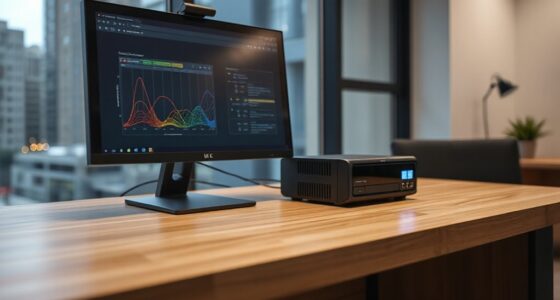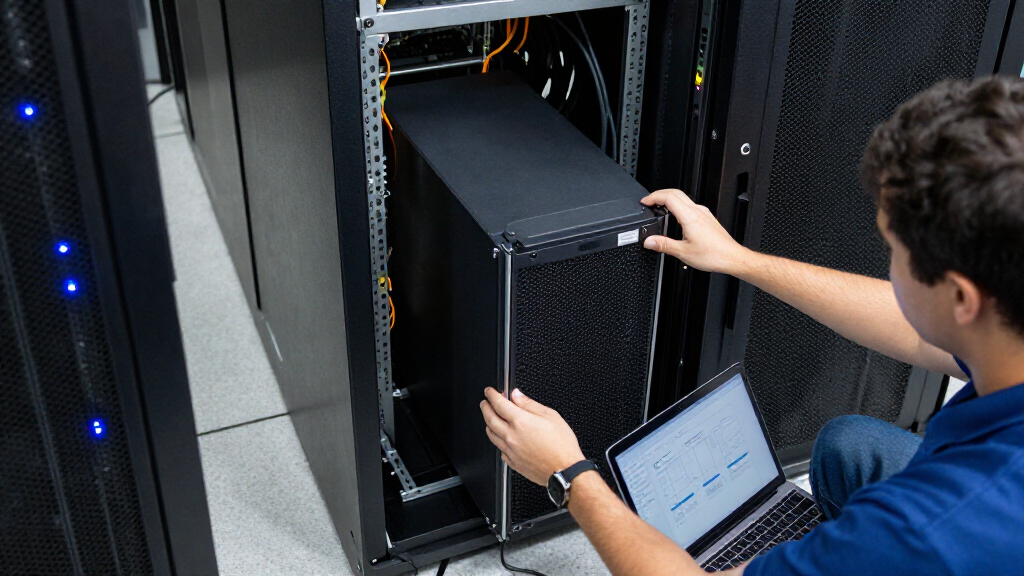
For most buyers, I’d start with the AMD EPYC 9555P: its 64 cores and single-socket designation make it a strong balance of server throughput and simpler platform planning. The EPYC 9475F is a standout for workloads that benefit from high clock speeds, while the EPYC 9745 suits heavily parallel tasks that can use 128 cores. The main tradeoff is between more cores for concurrent workloads and higher per-core speed for latency-sensitive work, with socket and motherboard compatibility narrowing the choices further. I compare all 13 processors by workload fit, platform requirements, and the practical limits of their listed specifications. Continue reading for the full breakdown and help matching a processor to your server.

Get business pricing on networking and server gear
- Business-only prices and quantity discounts
- Tax-exempt purchasing
- Multiple users, one account, clear invoices
Key Takeaways
- The EPYC 9555P is the clearest all-rounder in this lineup: 64 cores provide substantial parallel capacity, while the P designation identifies it as a single-socket model.
- The EPYC 9475F prioritizes clock speed over maximum core count: its listed 3.65 GHz base and 4.8 GHz maximum make it a stronger candidate for clock-sensitive work than the 128-core EPYC 9745.
- The 128-core EPYC 9745 and EPYC 9754 target highly parallel workloads: their core density only pays off when software can keep many cores busy.
- Socket compatibility divides this list: the SP5 processors, SP3 EPYC 7303P, and EPYC 4005 options belong to distinct platform choices, not interchangeable upgrade paths.
- Model suffixes matter to the buying decision: F models emphasize high frequency, P models indicate single-socket options, and the 4005 processors offer a different class of server platform from the high-core-count SP5 parts.
| AMD EPYC 4005 4465P 12-Core 3.40 GHz Processor |  | Best Lower-Power AM5 Server Pick | Processor series: EPYC 4005 | Model: 4465P | Cores / threads: 12 / 24 | VIEW LATEST PRICE | See Our Full Breakdown |
| AMD EPYC 9135 Processor 3.65 GHz 64 MB L3 |  | Best SP5 Entry Point for Moderate Core Counts | Processor series: AMD EPYC | Model number: 100-000001150 | Cores / threads: 16 / 32 | VIEW LATEST PRICE | See Our Full Breakdown |
| AMD EPYC 9745 128-Core Processor, 2.4 GHz Base, 3.7 GHz Max, SP5, OEM Tray |  | Best for Maximum Core Density | Processor series: AMD EPYC 9005 (5th Gen) | Codename: Turin | Cores / threads: 128 / 256 | VIEW LATEST PRICE | See Our Full Breakdown |
| AMD EPYC 9335 Processor, 3 GHz, 32 Cores, 128 MB Cache |  | Best for Midrange Core Density | Model: EPYC 9335 | Manufacturer part number: 100-000001149 | Processor cores: 32 | VIEW LATEST PRICE | See Our Full Breakdown |
| AMD EPYC 4005 4585PX 16-Core 4.30 GHz Processor |  | Best High-Clock AM5 Pick | Processor series: EPYC 4005 | Model: 4585PX | Cores / threads: 16 / 32 | VIEW LATEST PRICE | See Our Full Breakdown |
| AMD EPYC 9555 64-Core Processor, 3.2 GHz, SP5, OEM Tray |  | Best Balanced 64-Core Pick | Processor series: AMD EPYC 9005, 5th Gen | Codename: Turin | Cores / threads: 64 / 128 | VIEW LATEST PRICE | See Our Full Breakdown |
| AMD EPYC 7303P 16-Core Server Processor, 2.4 GHz, Socket SP3, OEM Tray |  | Best for Single-Socket DDR4 Builds | Processor series: AMD EPYC 7003, 3rd Generation | Codename: Milan | Cores / threads: 16 / 32 | VIEW LATEST PRICE | See Our Full Breakdown |
| AMD EPYC 9174F Processor, 4.1 GHz, 16 Cores, 256 MB L3 Cache |  | Best for High-Clock, Cache-Heavy Workloads | Model number: W128427192 | Manufacturer part number: 100-000000796 | Processor cores: 16 | VIEW LATEST PRICE | See Our Full Breakdown |
| AMD EPYC 9475F 48-Core Processor, 3.65 GHz Base, 4.8 GHz Max, SP5, OEM Tray |  | Best for High-Clock Turin Throughput | Processor series: AMD EPYC 9005, 5th Gen | Codename: Turin | Cores / threads: 48 / 96 | VIEW LATEST PRICE | See Our Full Breakdown |
| AMD EPYC 9555P Processor 3.2 GHz 64-Core 256 MB L3 Cache |  | Best for Data-Center Parallelism | Processor speed: 3.2 GHz | Core count: 64 | L3 cache: 256 MB | VIEW LATEST PRICE | See Our Full Breakdown |
| AMD EPYC 9375F Processor 3.8 GHz 256 MB L3 |  | Best for High-Clocked Parallel Workloads | Processor series: AMD EPYC | Cores: 32 | Threads: 64 | VIEW LATEST PRICE | See Our Full Breakdown |
| AMD EPYC 9754 128-Core Server Processor, 2.25 GHz, 256 MB L3 Cache, Socket SP5, Tray Pack |  | Best for Maximum Core Density | Architecture: Zen 4c (Bergamo) | Cores / threads: 128 / 256 | Base clock: 2.25 GHz | VIEW LATEST PRICE | See Our Full Breakdown |
| AMD EPYC 9454P Processor, 2.75 GHz, 48 Cores, 256 MB L3 Cache |  | Best for 48-Core Capacity | Model: EPYC 9454P | Brand: AMD | Cores: 48 | VIEW LATEST PRICE | See Our Full Breakdown |
| AMD EPYC server processor | L3 cache | Processor series | Cores / threads | Socket |
|---|---|---|---|---|
| AMD EPYC 4005 4465P 12-Core 3. | — | EPYC 4005 | 12 / 24 | AM5 |
| AMD EPYC 9135 Processor 3.65 G | 64 MB | AMD EPYC | 16 / 32 | SP5 |
| AMD EPYC 9745 128-Core Process | 256 MB | AMD EPYC 9005 (5th Gen) | 128 / 256 | — |
| AMD EPYC 9335 Processor | — | — | — | — |
| AMD EPYC 4005 4585PX 16-Core 4 | 128 MB | EPYC 4005 | 16 / 32 | AM5 |
| AMD EPYC 9555 64-Core Processo | 256 MB | AMD EPYC 9005, 5th Gen | 64 / 128 | SP5 |
| AMD EPYC 7303P 16-Core Server | 64 MB | AMD EPYC 7003, 3rd Generation | 16 / 32 | — |
| AMD EPYC 9174F Processor | 256 MB | — | — | — |
| AMD EPYC 9475F 48-Core Process | 256 MB | AMD EPYC 9005, 5th Gen | 48 / 96 | SP5 |
| AMD EPYC 9555P Processor 3.2 G | 256 MB | — | — | — |
| AMD EPYC 9375F Processor 3.8 G | 256 MB | AMD EPYC | — | SP5 |
| AMD EPYC 9754 128-Core Server | 256 MB | — | 128 / 256 | SP5 |
| AMD EPYC 9454P Processor | 256 MB | — | — | — |
More Details on Our Top Picks
AMD EPYC 4005 4465P 12-Core 3.40 GHz Processor
The EPYC 4005 4465P suits compact, lightly to moderately threaded servers where power draw matters more than maximizing core count. Its 12 cores, 24 threads, and 65 W rating offer a lower-power alternative to the 16-core EPYC 4005 4585PX, which runs at a higher listed clock speed but carries a 170 W rating. The 4465P’s 64 MB cache and 3.40 GHz clock provide a practical foundation for general server tasks, though its smaller core count and cache make it less suited to dense virtualization or heavily parallel compute than the SP5-based EPYC 9135. The tradeoff is platform scope: this is an AM5 processor, not a drop-in choice for SP5 server systems. The supplied specifications also leave the processor series unclear in one field, so buyers should verify board support against the model and socket.
Pros:- 12 cores and 24 threads support concurrent server tasks
- 65 W rating is lower than the 170 W EPYC 4005 4585PX
- AM5 socket supports a platform distinct from the SP5 options
- 64 MB cache
Cons:- Fewer cores and less cache than the 16-core EPYC 4005 4585PX
- AM5 socket limits compatibility with SP5 server motherboards
- One supplied specification field lists the processor series as unknown
Best for: Small-business server builders using an AM5 motherboard who prioritize a 65 W processor for general services and moderate multitasking.
Not ideal for: Operators running high-density virtualization or compute-heavy workloads that need more than 12 cores, or buyers building an SP5 platform.
- Processor series:EPYC 4005
- Model:4465P
- Cores / threads:12 / 24
- Clock speed:3.40 GHz
- Cache:64 MB
- Socket:AM5
- Wattage:65 W
Our verdict“Choose the 4465P for a lower-power AM5 server with moderate parallel workloads, but skip it if your system needs SP5 or higher core density.”
AMD EPYC 9135 Processor 3.65 GHz 64 MB L3
The EPYC 9135 is a straightforward SP5 choice for buyers who want 16 cores and 32 threads without moving to a much larger core-count processor. Its 3.65 GHz listed speed and 64 MB L3 cache make it a better fit for mixed server workloads than the 128-core EPYC 9745 when the job does not scale across hundreds of threads. That smaller scale can simplify workload planning, but the available data does not include a power rating or memory details, so it offers less information for sizing a complete system than the 9745 listing. Compared with the AM5 EPYC 4005 4585PX, the 9135 uses SP5, targeting a different server platform rather than a faster-clocked AM5 build. Buyers should choose it for SP5 compatibility and a moderate core count, not for maximum throughput.
Pros:- 16 cores and 32 threads for parallel server tasks
- 3.65 GHz listed processor speed
- 64 MB L3 cache
- SP5 socket targets a server-focused platform
Cons:- SP5 compatibility rules out AM5 motherboards
- Supplied product data does not specify power rating or memory type
- Fewer cores and less cache than the EPYC 9745
Best for: Server administrators building an SP5 system for moderate virtualization, application hosting, or mixed workloads that do not need dozens of cores.
Not ideal for: Buyers seeking a lower-power AM5 build, a documented power envelope, or high-throughput workloads suited to the 128-core EPYC 9745.
- Processor series:AMD EPYC
- Model number:100-000001150
- Cores / threads:16 / 32
- Processor speed:3.65 GHz
- L3 cache:64 MB
- Socket:SP5
- Item weight:9.6 ounces
Our verdict“Pick the EPYC 9135 for a moderate-core SP5 server, but choose the 9745 when your workloads can use far greater parallel capacity.”
AMD EPYC 9745 128-Core Processor, 2.4 GHz Base, 3.7 GHz Max, SP5, OEM Tray
When the workload benefits from running a great many threads at once, the EPYC 9745’s 128 cores and 256 threads put it in a different class from the 16-core EPYC 9135 and the 32-core EPYC 9335. Its 256 MB L3 cache and DDR5 support are suited to large parallel workloads, while the 2.4 GHz base and 3.7 GHz maximum frequencies describe a design aimed more at throughput than high per-core clock speed. The tradeoff is substantial platform and cooling demand: it requires SP5 and carries a 400 W TDP, so chassis, power delivery, and cooling need to match. This OEM tray listing also makes it less turnkey than a boxed processor. I’d reserve it for data-center or compute builds that can keep its many cores busy.
Pros:- 128 cores and 256 threads support very high parallel workload density
- 256 MB L3 cache
- Supports DDR5 memory
- Maximum frequency listed at 3.7 GHz
Cons:- 400 W TDP places substantial demands on cooling and power delivery
- Requires an SP5 motherboard and compatible server platform
- OEM tray format is less suited to buyers seeking a boxed retail package
Best for: Data-center operators and compute teams running heavily parallel workloads that can use 128 cores and have SP5, DDR5, and 400 W cooling infrastructure.
Not ideal for: Small server builders, lightly threaded applications, or buyers without an SP5 system and the cooling capacity for a 400 W processor.
- Processor series:AMD EPYC 9005 (5th Gen)
- Codename:Turin
- Cores / threads:128 / 256
- Base / maximum frequency:2.4 GHz / 3.7 GHz
- L3 cache:256 MB
- TDP:400 W
- Socket and memory:SP5, DDR5
- Package:OEM tray
Our verdict“Choose the EPYC 9745 for large, parallel SP5 workloads that can use its 128 cores; for moderate deployments, the 9135 is a less demanding fit.”
AMD EPYC 9335 Processor, 3 GHz, 32 Cores, 128 MB Cache
The EPYC 9335 offers a middle ground for server buyers who need more parallel capacity than the 16-core EPYC 9135 but do not have work for the 128-core EPYC 9745. Its listed 32 cores and 128 MB cache can support broader consolidation across services or virtual machines, while the 3 GHz speed gives a clear baseline for comparing processor frequency. The supplied listing, however, leaves out socket, memory support, and power draw, details that matter when matching a processor to a server chassis and board. It also labels the platform as Windows, which does not by itself establish motherboard compatibility. Compared with the 9745, the 9335 is a more moderate core-count option, but the sparse platform data makes it harder to evaluate as a complete server upgrade.
Pros:- 32 listed processor cores
- 128 MB cache
- Listed processor speed of 3 GHz
- Sits between the 16-core EPYC 9135 and 128-core EPYC 9745 in core count
Cons:- Supplied product data does not identify the socket
- Memory type and power rating are not provided
- Windows platform listing does not clarify server motherboard compatibility
Best for: IT teams considering a 32-core EPYC for consolidated services or virtualization who can confirm socket, memory, and power compatibility from the system vendor.
Not ideal for: Buyers who need verified SP5 or memory specifications before choosing a platform, or workloads that need the 9745’s 128-core capacity.
- Model:EPYC 9335
- Manufacturer part number:100-000001149
- Processor cores:32
- Processor speed:3 GHz
- Cache:128 MB
- Listed platform:Windows
- Item weight:5.6 ounces
Our verdict“Consider the EPYC 9335 for a 32-core workload, but verify platform details before choosing it over the better-specified 9135 or 9745.”
AMD EPYC 4005 4585PX 16-Core 4.30 GHz Processor
The EPYC 4005 4585PX prioritizes clock speed and cache within the AM5 options in this batch. Its 16 cores, 32 threads, 4.30 GHz clock, and 128 MB L3 cache make it a stronger fit for mixed or more clock-sensitive server work than the 12-core EPYC 4005 4465P, though its 170 W power rating is far higher than that model’s 65 W. That difference affects cooling and power planning, so the extra cores and cache are not a free upgrade for a compact build. Against the SP5 EPYC 9135, the 4585PX offers a higher listed clock and larger L3 cache, but it belongs to the AM5 platform rather than SP5. I’d choose it for an AM5 server where those advantages suit the workload and the system can handle its power draw.
Pros:- 16 cores and 32 threads
- 4.30 GHz listed clock speed
- 128 MB L3 cache
- AM5 platform offers a distinct alternative to SP5 systems
Cons:- 170 W power rating is much higher than the EPYC 4005 4465P’s 65 W
- Requires a Socket AM5 motherboard
- Higher power demand can constrain compact or cooling-limited builds
Best for: AM5 server builders running mixed or clock-sensitive workloads who want 16 cores, a 4.30 GHz listed clock, and a large cache.
Not ideal for: Low-power server deployments, AM5 boards with limited cooling capacity, or buyers who need an SP5-based system.
- Processor series:EPYC 4005
- Model:4585PX
- Cores / threads:16 / 32
- Clock speed:4.30 GHz
- L3 cache:128 MB
- Secondary cache:16 MB
- Socket:AM5
- Power:170 W
Our verdict“Choose the 4585PX for a high-clock, cache-rich AM5 server that can handle 170 W, and choose the 4465P if lower power matters more.”
AMD EPYC 9555 64-Core Processor, 3.2 GHz, SP5, OEM Tray
The EPYC 9555 pairs 64 cores and 128 threads with a 3.2 GHz base frequency, making it a flexible choice for heavily parallel server workloads that also need a strong stated base clock. Its 256 MB of L3 cache and DDR5 support suit data-intensive workloads, while the 360 W TDP is less demanding on paper than the 400 W EPYC 9475F. That makes the 9555 the more balanced fit of those two Turin options when power and cooling headroom matter alongside core count. The tradeoff is platform commitment: it needs an SP5 system and substantial cooling, unlike the lower-power, older-generation EPYC 7303P. I’d choose it for a new high-density server build, not as a drop-in upgrade for an SP3 or DDR4 system.
Pros:- 64 cores and 128 threads support high levels of concurrent work.
- 3.2 GHz base frequency balances core count with a substantial stated operating frequency.
- 256 MB of L3 cache benefits cache-sensitive workloads.
- DDR5 memory support fits newer server platforms.
Cons:- Requires an SP5 motherboard and compatible platform components.
- 360 W TDP calls for substantial power delivery and cooling.
Best for: Data-center builders who need 64 cores for parallel workloads and are planning an SP5, DDR5 platform with cooling for a 360 W processor.
Not ideal for: Owners of SP3 or DDR4 servers, and buyers whose chassis or cooling budget cannot support a 360 W CPU.
- Processor series:AMD EPYC 9005, 5th Gen
- Codename:Turin
- Cores / threads:64 / 128
- Base / maximum frequency:3.2 GHz / 4.4 GHz
- L3 cache:256 MB
- TDP:360 W
- Socket:SP5
- Memory type:DDR5
- Package:OEM tray
Our verdict“Choose the EPYC 9555 for a new SP5 server that needs 64-core capacity without the 9475F’s stated 400 W TDP.”
AMD EPYC 7303P 16-Core Server Processor, 2.4 GHz, Socket SP3, OEM Tray
The EPYC 7303P is the practical fit for a single-socket SP3 server that can reuse DDR4 infrastructure. Its 16 cores and 32 threads provide useful parallel capacity for general server workloads, while its 130 W TDP is far easier to accommodate than the 360 W EPYC 9555 or 400 W EPYC 9475F. That lower platform burden is the main reason to pick this third-generation Milan chip; it is not a match for those newer processors’ core counts, DDR5 support, or generation. The 64 MB of L3 cache is also smaller than the 256 MB available on the EPYC 9174F. Its single-socket-only design limits expansion, so I’d skip it for dual-socket plans or workloads likely to outgrow 16 cores.
Pros:- 16 cores and 32 threads cover a range of general server workloads.
- 130 W TDP is lower than the listed Turin processors’ power requirements.
- DDR4 support can suit an existing SP3 platform.
- Single-socket design makes its intended system configuration clear.
Cons:- Limited to single-socket configurations.
- Third-generation platform lacks the listed newer chips’ DDR5 support.
- 64 MB of L3 cache is smaller than the 256 MB on the EPYC 9174F.
Best for: Small-business and departmental server builders maintaining a single-socket SP3 system with DDR4 memory and moderate parallel workloads.
Not ideal for: Buyers building a new high-core-count platform, planning a dual-socket configuration, or needing DDR5 and larger cache capacity.
- Processor series:AMD EPYC 7003, 3rd Generation
- Codename:Milan
- Cores / threads:16 / 32
- Base / maximum frequency:2.4 GHz / 3.4 GHz
- L3 cache:64 MB
- TDP:130 W
- Socket configuration:SP3, single socket (1P)
- Memory type:DDR4
- Package:OEM tray
Our verdict“Choose the EPYC 7303P when an existing single-socket SP3 and DDR4 setup matters more than newer-generation performance or expansion.”
AMD EPYC 9174F Processor, 4.1 GHz, 16 Cores, 256 MB L3 Cache
For workloads where per-core clock and cache capacity matter more than maximizing core count, the EPYC 9174F offers a distinctive 16-core profile: a stated 4.1 GHz clock speed and 256 MB of L3 cache. That cache is four times the 64 MB listed for the 16-core EPYC 7303P, making the 9174F the more compelling fit on paper for cache-sensitive jobs. It also contrasts with the 64-core EPYC 9555, which is better suited to broad parallel throughput than a buyer specifically prioritizing this model’s stated clock speed. The available product data omits socket, memory type, thread count, TDP, and a maximum frequency, so I would verify platform compatibility and cooling before purchase. This is a more specialized choice than the 7303P, not a general-purpose upgrade recommendation.
Pros:- 16 cores offer a defined core count for workloads that do not need dozens of cores.
- 4.1 GHz stated clock speed suits buyers prioritizing frequency.
- 256 MB of L3 cache exceeds the 64 MB listed for the EPYC 7303P.
Cons:- Product data does not specify socket or memory type, complicating platform checks.
- TDP and maximum frequency are not provided in the supplied specifications.
- 16 cores offer less parallel capacity than the EPYC 9555’s 64 cores.
Best for: Server operators running cache-sensitive or frequency-focused workloads who can confirm the processor’s platform and cooling requirements before buying.
Not ideal for: Buyers who need verified socket and memory compatibility, a known TDP, or maximum core count for heavily parallel tasks.
- Model number:W128427192
- Manufacturer part number:100-000000796
- Processor cores:16
- Clock speed:4.1 GHz
- L3 cache:256 MB
- Item weight:0.02 kg
Our verdict“Consider the EPYC 9174F for clock- and cache-focused workloads only after confirming its platform, memory, and cooling fit.”
AMD EPYC 9475F 48-Core Processor, 3.65 GHz Base, 4.8 GHz Max, SP5, OEM Tray
The EPYC 9475F combines 48 cores and 96 threads with a 3.65 GHz base frequency and up to 4.8 GHz, giving it a distinct role among these Turin options: substantial parallel capacity paired with a high stated maximum frequency. Compared with the 64-core EPYC 9555, it has fewer cores but a higher listed base and maximum frequency, which may suit workloads that benefit from both concurrency and clock speed. That profile comes at a sharp power cost: its 400 W TDP exceeds the 9555’s 360 W, and both require SP5 and DDR5. The 256 MB of L3 cache is shared with the 9555, so cache capacity alone does not distinguish them. I’d favor this model only where its frequency profile justifies the extra thermal and power demand.
Pros:- 48 cores and 96 threads provide substantial parallel capacity.
- 3.65 GHz base and up to 4.8 GHz maximum frequencies stand out among the compared Turin choices.
- 256 MB of L3 cache supports cache-intensive workloads.
- DDR5 support fits an SP5-generation platform.
Cons:- 400 W TDP demands significant power delivery and cooling.
- Requires an SP5 socket and DDR5-compatible platform.
- Has 16 fewer cores than the EPYC 9555.
Best for: Data-center teams with an SP5, DDR5 platform and robust cooling that need 48 cores alongside a high stated maximum frequency.
Not ideal for: Operators constrained by rack power, cooling capacity, or a preference for more cores at the lower stated TDP of the EPYC 9555.
- Processor series:AMD EPYC 9005, 5th Gen
- Codename:Turin
- Cores / threads:48 / 96
- Base / maximum frequency:3.65 GHz / 4.8 GHz
- L3 cache:256 MB
- TDP:400 W
- Socket:SP5
- Memory type:DDR5
- Package:OEM tray
Our verdict“Pick the EPYC 9475F when its higher stated frequencies matter enough to justify 400 W operation and fewer cores than the 9555.”
AMD EPYC 9555P Processor 3.2 GHz 64-Core 256 MB L3 Cache
The EPYC 9555P is presented as a 64-core server processor with a 3.2 GHz base clock and 256 MB of L3 cache, a combination aimed at workloads that can keep many cores busy. Against the 48-core EPYC 9475F, it prioritizes more cores over the other model’s higher stated maximum frequency; against the EPYC 7303P, it represents a much larger core and cache profile, though those processors target different platform generations. The supplied details also list 384 MB of secondary cache, but omit socket, memory type, TDP, thread count, and maximum frequency. That missing platform information makes this listing harder to evaluate than the fully specified EPYC 9555 OEM tray entry. I’d verify the exact 9555P configuration and compatibility before selecting it for a production server.
Pros:- 64 cores target workloads with substantial parallelism.
- 3.2 GHz base clock is specified.
- 256 MB of L3 cache supports data-intensive work.
- 384 MB secondary cache is listed in the product data.
Cons:- Socket, memory type, and TDP are not specified in the supplied data.
- Maximum frequency and thread count are not listed.
- Platform details are less complete than those for the EPYC 9555 OEM tray.
Best for: Data-center planners seeking a 64-core processor for parallel workloads who can verify the 9555P’s socket, memory, and power details with the seller or system vendor.
Not ideal for: Buyers who need complete platform specifications before procurement or who require a stated TDP and maximum frequency for server planning.
- Processor speed:3.2 GHz
- Core count:64
- L3 cache:256 MB
- Secondary cache:384 MB
- Platform:Windows (as listed)
Our verdict“Choose the EPYC 9555P for 64-core parallel workloads only after confirming the missing platform and power specifications.”
AMD EPYC 9375F Processor 3.8 GHz 256 MB L3
The EPYC 9375F pairs 32 cores and 64 threads with a 3.8 GHz base clock, making it a stronger fit for work that needs substantial parallel capacity without giving up clock speed. Its 256 MB L3 cache can help keep frequently used data close to the cores. Compared with the 32-core EPYC 9335, this model has a higher listed base frequency and twice the L3 cache, though the supplied data does not establish how those differences translate into every workload. It is far short of the 128-core EPYC 9754 for heavily threaded consolidation, so I would choose the 9375F for a more balanced compute profile, not maximum core density. It uses the modern SP5 platform, but server-class power and cooling demands—and its lack of consumer-desktop fit—make platform planning part of the purchase.
Pros:- 32 cores and 64 threads support substantial parallel workloads
- 3.8 GHz listed base frequency favors workloads that benefit from higher per-core clocks
- 256 MB L3 cache provides a large pool for frequently accessed data
- SP5 socket targets modern server platforms
Cons:- Far fewer cores than the 128-core EPYC 9754 for heavily threaded consolidation
- Server-only platform fit rules out ordinary consumer desktop builds
- High-core server operation calls for suitable power delivery and cooling
Best for: Data-center operators running parallel applications that benefit from a high base clock and large cache, such as mixed compute and data-processing workloads.
Not ideal for: Buyers prioritizing maximum virtual-machine density or very high thread counts; the EPYC 9754 offers far more cores, while this model also requires a server-grade SP5 platform and cooling.
- Processor series:AMD EPYC
- Cores:32
- Threads:64
- Base frequency:3.8 GHz
- L3 cache:256 MB
- Socket:SP5
- Platform compatibility:Windows
- Manufacturer part number:100-000001197
Our verdict“Choose the EPYC 9375F for an SP5 server that needs 32-core parallel capacity with a 3.8 GHz base clock, rather than the maximum core count of the EPYC 9754.”
AMD EPYC 9754 128-Core Server Processor, 2.25 GHz, 256 MB L3 Cache, Socket SP5, Tray Pack
With 128 cores and 256 threads, the EPYC 9754 is the lineup’s clear choice for workloads that can keep a very large number of cores busy. Its Zen 4c architecture, twelve-channel DDR5 memory support, ECC support, and PCIe 5.0 connectivity are aimed at dense server configurations, including environments with many parallel jobs or virtual machines. Compared with the 32-core EPYC 9375F, it offers four times the core count, but its 2.25 GHz base clock is much lower; a high core count is not a substitute for clock speed in lightly threaded tasks. The 360 W TDP also calls for high-end cooling and a suitably capable SP5 system. This tray-pack part has no integrated graphics and a locked multiplier, so it suits planned data-center deployments better than flexible workstation builds.
Pros:- 128 cores and 256 threads suit highly parallel workloads and dense consolidation
- Twelve-channel DDR5 support and ECC accommodate memory-intensive server configurations
- PCIe 5.0 provides a current expansion interface
- 256 MB L3 cache and listed support for AVX, AVX2, and AVX-512
Cons:- 360 W TDP requires high-end cooling and substantial server power capacity
- 2.25 GHz base clock is lower than the EPYC 9375F’s 3.8 GHz, making this less suited to workloads prioritizing base frequency
- No integrated graphics and a locked multiplier limit flexibility for workstation use and overclocking
Best for: Data-center teams consolidating many parallel workloads or virtual machines into an SP5 server with twelve-channel DDR5, ECC memory, and high-end cooling.
Not ideal for: Small server builders, lightly threaded workloads, or workstation buyers who need integrated graphics; the 360 W TDP, 2.25 GHz base clock, and locked multiplier make it a specialized choice.
- Architecture:Zen 4c (Bergamo)
- Cores / threads:128 / 256
- Base clock:2.25 GHz
- Maximum boost clock:Up to 3.1 GHz
- L3 cache:256 MB
- Socket:SP5
- TDP:360 W
- Memory support:12-channel DDR5, up to 4800 MT/s; ECC supported
- Expansion interface:PCIe 5.0
Our verdict“Pick the EPYC 9754 when workload parallelism and core density matter more than high base frequency or simpler cooling.”
AMD EPYC 9454P Processor, 2.75 GHz, 48 Cores, 256 MB L3 Cache
The EPYC 9454P offers 48 cores and 256 MB of L3 cache, giving buyers a substantial core count without stepping up to the 128-core EPYC 9754. Its listed 2.75 GHz clock speed puts it between that processor’s 2.25 GHz base and the EPYC 9375F’s 3.8 GHz base, though the supplied details do not identify a boost clock or socket. That makes the 9454P a potentially useful middle ground on core count, but a less fully specified option when planning a server build. Unlike the 9375F listing, its data does not state a socket or thread count, and the unknown software update support date adds uncertainty for buyers who need clear lifecycle information. I would shortlist it when 48 cores and a large cache match the workload, then verify platform compatibility before committing.
Pros:- 48 cores provide more parallel capacity than the 32-core EPYC 9375F
- 256 MB L3 cache matches the cache capacity listed for the EPYC 9375F and EPYC 9754
- 2.75 GHz listed clock speed sits above the EPYC 9754’s 2.25 GHz base clock
Cons:- Socket type and thread count are not provided in the supplied product data
- Software update support date is listed as unknown
- Less suitable than the EPYC 9754 when maximum core density is the priority
Best for: Server buyers targeting a 48-core configuration with 256 MB L3 cache who can confirm socket, memory, and platform compatibility with their system vendor.
Not ideal for: Teams that need fully documented platform details or an explicitly stated support schedule; the supplied data omits the socket and lists the software update support date as unknown.
- Model:EPYC 9454P
- Brand:AMD
- Cores:48
- Clock speed:2.75 GHz
- L3 cache:256 MB
- Item weight:0.22 kg
- Manufacturer part number:100-000000873
Our verdict“Consider the EPYC 9454P for a 48-core, 256 MB-cache build only after confirming its socket and support details for your server platform.”
How We Picked
I ranked these processors by how clearly their listed specifications fit real server workloads: core count and clock speed, socket and single-socket designation, and the balance between parallel throughput and per-core responsiveness. I gave the strongest positions to options with a distinct, useful fit rather than assuming that the highest core count is automatically the best choice. That is why the 64-core EPYC 9555P leads as a flexible single-socket candidate, while the high-frequency EPYC 9475F and 128-core EPYC 9745 rank as workload-specific alternatives.
I also considered how much platform planning each option demands. Socket compatibility, motherboard support, firmware, memory configuration, cooling, and server chassis can shape the total build as much as the CPU itself. The supplied specifications do not establish performance in a particular application, power draw, or full platform support, so I treat those as items buyers must verify rather than make unsupported performance claims. Older SP3 and lower-core-count options rank for buyers with a compatible system or a narrower workload, not as universal substitutes for newer SP5 processors.
| AMD EPYC server processor | Processor series | Socket |
|---|---|---|
| AMD EPYC 4005 4465P 12-Core 3. | EPYC 4005 | AM5 |
| AMD EPYC 9135 Processor 3.65 G | AMD EPYC | SP5 |
| AMD EPYC 9745 128-Core Process | AMD EPYC 9005 (5th Gen) | — |
| AMD EPYC 9335 Processor | — | — |
| AMD EPYC 4005 4585PX 16-Core 4 | EPYC 4005 | AM5 |
| AMD EPYC 9555 64-Core Processo | AMD EPYC 9005, 5th Gen | SP5 |
| AMD EPYC 7303P 16-Core Server | AMD EPYC 7003, 3rd Generation | — |
| AMD EPYC 9174F Processor | — | — |
| AMD EPYC 9475F 48-Core Process | AMD EPYC 9005, 5th Gen | SP5 |
| AMD EPYC 9555P Processor 3.2 G | — | — |
| AMD EPYC 9375F Processor 3.8 G | AMD EPYC | SP5 |
| AMD EPYC 9754 128-Core Server | — | SP5 |
| AMD EPYC 9454P Processor | — | — |
Factors to Consider When Choosing Best AMD EPYC Server Processors
Choosing among these EPYC parts starts with the server you need to run, not the largest number on a spec sheet. I’d settle the workload, platform, and deployment constraints before comparing individual models; those choices can rule out a processor before core count or clock speed matters.
Match Core Count to Software Concurrency
High core counts help when your software can run many independent tasks at once, such as dense virtualization or parallel compute. They may add little to a workload limited by a small number of busy threads, licensing rules, or serial processing steps. Before buying a 128-core part, check how the application scales and whether its license is charged per core or per socket. A lower-core, higher-frequency processor can be a better fit when response time matters more than total concurrent throughput. Plan for memory capacity and bandwidth as well, since cores without enough data to process can sit underused. Estimate the workload at its expected peak rather than choosing by the largest core count available.
Treat Socket and Board Support as a Hard Gate
EPYC processors from different generations and families do not share a universal motherboard platform. Confirm the exact socket, supported CPU list, BIOS version, and board-level limits before ordering; a matching socket label alone may not establish compatibility. This roundup includes SP5 and SP3 processors alongside EPYC 4005 models, so the options should not be treated as one upgrade pool. Also check whether the board supports one or two processors and whether a model with a P suffix fits that configuration. If you are upgrading an existing server, verify the chassis, firmware, and memory support against the system vendor’s documentation. A platform mismatch can turn an otherwise suitable CPU into an unusable purchase.
Choose Frequency for the Workload, Not the Headline
Clock speed can matter for lightly threaded services, latency-sensitive tasks, and software that does not scale across many cores. But listed base and maximum frequencies alone do not predict sustained application speed; cooling, power limits, workload behavior, and server design also play a part. High-frequency F models are worth investigating when a small number of threads dominate your service. For broad parallel work, a processor with more cores may process more simultaneous jobs even if its listed clocks are lower. Check application benchmarks on a comparable platform whenever possible. Avoid treating a maximum boost figure as an all-core operating frequency.
Account for Memory, Cooling, and Chassis Limits
The CPU is only one part of a stable server build. Confirm that the motherboard supports the memory type, capacity, and population rules your workload needs, and check whether a fully populated configuration affects memory speed. High-core-count processors can place greater demands on cooling and power delivery, so verify the server’s thermal design and supported CPU power envelope rather than relying on a generic cooler assumption. Rack depth, airflow, noise limits, and available power can also rule out a build that looks suitable on paper. For an existing system, the vendor’s validated configuration is often a safer reference than assembling parts by socket alone. Leave headroom for sustained loads instead of sizing the system around brief peak conditions.
Compare Total Platform Cost and Software Licensing
A processor with more cores can raise costs beyond the CPU itself, through motherboard requirements, memory population, cooling, and software licensing. Review whether your operating system, hypervisor, database, or application charges by core, socket, or server before selecting a high-core-count model. A single-socket P processor may simplify a build if your workload fits within one CPU, but the board and software still need to support the chosen configuration. For a used or legacy server, an SP3 processor may make sense if it avoids replacing a working platform; it is not automatically a good value if the system is near its support or capacity limits. Compare the full system cost over its planned service life, including maintenance and energy needs. That calculation can favor fewer, faster cores or denser compute depending on the workload.
Check the Exact SKU and Seller Listing
Processor family names can hide meaningful differences in core count, frequency, socket, and single-socket support. Confirm the complete model number against AMD’s specifications and the motherboard vendor’s compatibility information, especially when listings abbreviate the SKU. Tray and OEM parts may have different support and warranty arrangements from boxed products, so verify what is included and who handles service before purchase. Do not assume a listed cache figure or clock value describes every similarly named processor. Keep the product label, invoice, and system documentation aligned so future maintenance is straightforward. When a listing conflicts with the manufacturer’s documentation, pause and resolve the discrepancy before building around it.
Frequently Asked Questions
Should I choose the EPYC 9555P or a 128-core EPYC processor?
I’d choose the EPYC 9555P when a single-socket server with 64 cores matches the application and workload capacity you need. The EPYC 9745 or EPYC 9754 is a better direction when software can use far more parallel compute and the platform supports that processor. More cores do not guarantee a faster result if the workload is lightly threaded or limited by memory, storage, or licensing. Compare application performance on the intended server rather than relying on core count alone. Also confirm board support and total platform requirements before choosing between these classes.
Is a high-frequency F-series processor a better choice for virtualization?
It depends on how your virtual machines use CPU resources. A high-frequency model such as the EPYC 9475F may suit VMs with latency-sensitive or lightly threaded applications, while a higher-core-count processor can host more concurrent workloads if memory and licensing permit. Look at actual utilization patterns, including peak concurrency and the number of threads each VM needs. A large core count can be wasted when most VMs remain idle or when software licensing makes extra cores costly. Use representative workload tests before deciding.
Can I upgrade from an EPYC 7303P to an SP5 processor without replacing the motherboard?
No; the EPYC 7303P is an SP3 processor, while the SP5 models in this roundup use a different platform. A socket change means you should plan on a compatible motherboard and verify the server chassis, cooling, memory, and firmware requirements as well. Even processors sharing a socket can have board-specific support limits, so consult the system or motherboard CPU list. If you want to preserve an existing SP3 system, focus on CPUs validated for that platform rather than assuming a newer generation will fit. Price the full platform change before treating a CPU upgrade as a like-for-like replacement.
What should I verify before buying an OEM tray EPYC processor?
Confirm the exact SKU, socket, and supported motherboard configuration from AMD and the server vendor. Ask the seller what warranty or return coverage applies, since OEM tray parts may not carry the same support arrangement as boxed retail products. Check whether the server’s BIOS recognizes that CPU and whether the system supports its power and cooling needs. Also verify that the listing’s core count and frequency match the manufacturer’s specifications. Keep purchase documentation in case the processor needs service or the listing proves inaccurate.
Is the EPYC 4005 family a sensible alternative to SP5 processors?
It can be a sensible choice for a build designed around the EPYC 4005 platform, particularly when its core count and frequency suit the service being deployed. It is not a direct substitute for an SP5 processor, because the platform requirements and system capabilities differ. Compare the supported motherboard, memory, expansion, and management features for the complete server rather than judging by CPU frequency alone. A 4005 model may fit a narrower or smaller server role, while high-core-count SP5 parts target much denser compute. Choose by the workload and platform you can support, not by family name or one specification.
Conclusion
Best overall: I’d choose the EPYC 9555P for buyers who want 64 cores in a single-socket option. Best value: the EPYC 7303P is most compelling when you already own a compatible SP3 system and need to extend its service life; it is not a value pick for a new SP5 build. Best premium: the EPYC 9745 fits buyers whose parallel workloads can make use of 128 cores. Best for beginners: I’d start with the EPYC 4005 4465P for a modest server build only after confirming motherboard and workload support, since a smaller core count is easier to size than a dense compute platform. For clock-sensitive tasks, choose the EPYC 9475F; for maximum core density, compare the EPYC 9745 and EPYC 9754 against your software’s scaling and licensing. The right pick is the one your server supports and your workload can use—not simply the processor with the biggest specification.