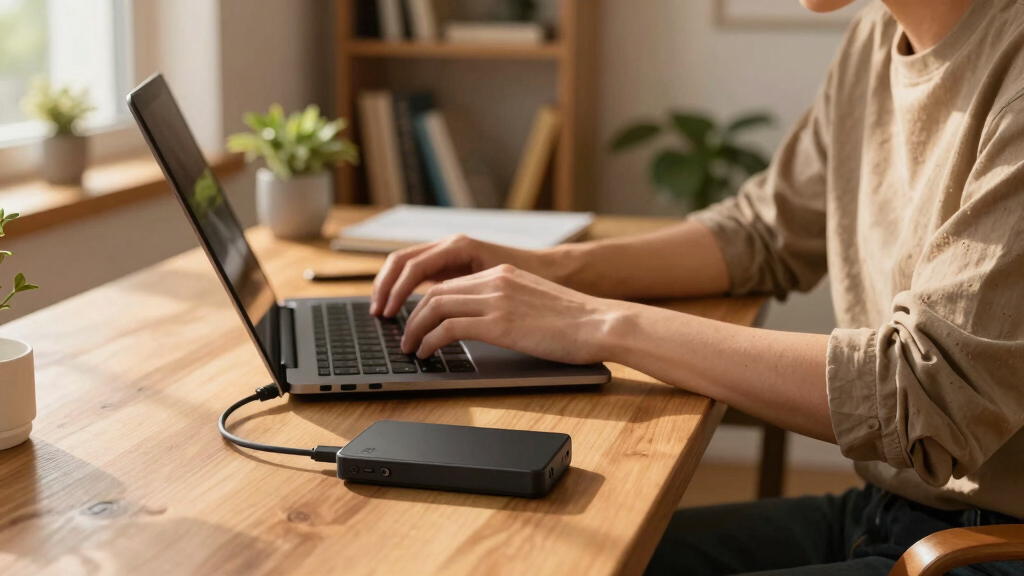

When it comes to choosing cloud backup solutions, the goal is to find a service or device that offers reliable, secure, and easy-to-manage data protection. The best overall pick balances performance and user-friendliness, making it suitable for most users. The Synology DS225+ stands out for its hardware transcoding capabilities, perfect for media-heavy needs, while the PocketCloud offers portability for on-the-go backups. Buyers face tradeoffs between cost, complexity, and scalability, so understanding these differences is essential. Continue reading for a detailed breakdown of the top options in 2026.

Get business pricing on networking and server gear
- Business-only prices and quantity discounts
- Tax-exempt purchasing
- Multiple users, one account, clear invoices
Key Takeaways
- The top picks vary significantly by use case, from home storage to portable backups, emphasizing the importance of matching a solution to specific needs.
- Hardware features such as CPU power and transcoding abilities distinguish higher-end NAS devices from basic storage options.
- Portability and Wi-Fi connectivity are key factors for mobile or on-the-go backup devices like PocketCloud.
- Cost-effective options like Buffalo’s LinkStation provide good value but lack advanced features, making them suitable for basic backups.
- Ease of setup and compatibility with multiple operating systems remain consistent priorities across the best solutions.


More Details on Our Top Picks
Synology DS124 Personal Backup & File Hub – 1-Bay Diskless NAS for Data Protection and Home Security
The Synology DS124 stands out for its straightforward setup and robust security features, making it ideal for individuals seeking private cloud control without ongoing costs. Compared to the Synology DS223j, it offers easier installation and a more user-friendly interface, though the single-bay design limits overall storage scalability. Its support for AI-powered surveillance adds an extra layer of home security, perfect for small households. However, being diskless means you’ll need to purchase drives separately, and its limited capacity suits light users only. This pick makes the most sense for home users who want reliable, private backup with minimal fuss and don’t require extensive storage expansion.Pros:- Easy to set up for private cloud and backup
- Supports AI-driven home surveillance
- No monthly subscription fees
- Reliable hardware with a 2-year warranty
Cons:- Limited to 1-bay storage, not suitable for large data needs
- Requires technical knowledge for optimal setup
Best for: Homeowners wanting simple, secure data backup and security features with minimal ongoing costs
Not ideal for: Power users needing large-scale storage or enterprise-grade redundancy, as the single bay limits expansion
- Model Number:DS124
- Warranty:2 years
- Item Type:NAS
- Unit Count:1
- UPC:846504005017
- Manufacturer:Synology
- Brand:Synology
Bottom line: This NAS is ideal for small-scale home users prioritizing privacy and security over storage capacity.
Smart Personal Cloud Storage Device with 512GB SSD, Compatible with iOS, Android, Windows, Mac
This personal cloud device with a built-in 512GB SSD offers blazing-fast data transfers and broad device compatibility, making it ideal for individuals who need quick access and media streaming anywhere. Unlike the Synology DS225+, which provides advanced media transcoding and RAID options, this model focuses on simplicity and portability, though its storage is limited to 512GB. Its support for multiple platforms and media streaming makes it a versatile choice for mobile professionals, but the lack of larger capacity or battery-powered operation could be a downside for extended outdoor use. This device makes sense for users who value speed and mobility over expansive storage or advanced security features.Pros:- High-speed SSD with fast data transfer rates
- Supports multiple device platforms and media streaming
- Expandable via USB port
- Secure alternative to cloud services
Cons:- Limited storage capacity of 512GB
- No portable power options, reliant on Wi-Fi or Ethernet
Best for: Travelers and remote workers seeking fast, secure personal backup with portable convenience
Not ideal for: Users with large media libraries or needing extensive storage capacity, as it’s limited to 512GB
- Digital Storage Capacity:512 GB
- Hard Disk Interface:USB 3.0
- Connectivity Technology:Ethernet, Wi-Fi
- Video Streaming:Yes, with smart transcoding
- Media Speed:500-600 MB/s
- Cache Memory:512 MB
- Item Weight:300 grams
- Warranty:30-day return policy
Bottom line: This compact device excels for mobile users needing quick, secure backup on the go, but it’s not suited for large storage demands.
Synology 2-Bay DiskStation DS223j (Diskless)
The Synology DS223j offers a balanced combination of private cloud storage, automated backups, and home security support, making it suitable for users needing reliable multi-device backup and security monitoring. Compared to the DS225+, it lacks hardware transcoding and advanced surveillance features, but its two-bay design provides more flexibility for future expansion once drives are added. Setting up might be challenging for beginners, especially when configuring security options. This device makes sense for small households or tech-savvy users who want a secure, expandable, yet straightforward multi-purpose NAS without the high price of enterprise solutions.Pros:- Secure private cloud with multi-platform access
- Supports automated backups for multiple devices
- Integrates home security with IP camera support
- Reliable 2-year warranty
Cons:- Requires additional disks for storage capacity
- Setup may be complex for inexperienced users
Best for: Small families or tech enthusiasts who want a secure, flexible backup and security platform
Not ideal for: Beginners or users needing plug-and-play simplicity, as setup can be complex
- Model:DS223j
- Number of Bays:2
- Diskless:Yes
- Warranty:2 years
- Features:Private cloud, file sharing, automated backups, home security
Bottom line: Ideal for small households seeking a customizable, secure backup and security solution with room to grow.
Synology DS225+ Private Cloud Media Server – 2-Bay Diskless NAS with Intel CPU for Hardware Transcoding
The Synology DS225+ stands out for its Intel CPU and hardware transcoding, making it a top choice for users who stream 4K media or run media-heavy backups. Compared with the DS223j, it offers faster performance and AI-enabled security for up to 30 IP cameras, but comes at a higher cost and requires purchasing drives separately. Its scalability is limited to two bays, which may not satisfy those with extensive media libraries. This model suits tech-savvy users needing robust media management and surveillance integration, though setup complexity could be a barrier for beginners. It’s a strong pick for multimedia professionals who want a compact yet powerful media and backup hub.Pros:- Supports 4K media streaming and hardware transcoding
- Includes automated backup and data protection features
- Supports up to 30 IP cameras with AI detection
- Reliable 3-year warranty
Cons:- Requires separate purchase of drives
- Complex setup for inexperienced users
Best for: Content creators and media lovers needing fast 4K streaming and security integration
Not ideal for: Beginners or users requiring large-scale storage capacity, as it’s limited to 2 bays and requires additional purchases
- Model Number:DS225+
- Warranty:3 years
- Unit Count:1
- Brand:Synology
- UPC:846504006380
- Processor:Intel CPU
- Number of Bays:2
- Transfer Speed:282 MB/s
Bottom line: Designed for multimedia professionals seeking a compact, high-performance NAS with security and surveillance features.
PocketCloud Portable NAS with M.2 NVMe & SD Card Slots, Up to 8TB (Diskless), Wi-Fi 6, LCD Display, App Control, Dual 3200mAh Batteries
The PocketCloud Portable NAS excels for those who need a rugged, portable backup solution with rapid data access. Its support for M.2 NVMe and SD cards, combined with Wi-Fi 6 and Ethernet options, makes it highly versatile for outdoor and on-the-move professionals. Its dual batteries and LCD display provide real-time status and extended use without reliance on mains power. Compared with larger NAS units like the Synology DS124, it offers significantly more flexibility and mobility, though its capacity tops out at 8TB (expandable to 16TB with a dock). Its main tradeoff is the potential cost for additional docks and SSDs, and the lack of detailed size and weight info could concern users with space constraints. This device makes sense for users requiring instant, durable backup capabilities away from traditional home or office environments.Pros:- Expandable storage up to 8TB (16TB with dock)
- Versatile backup methods including Wi-Fi 6, Ethernet, SD, and USB
- Durable aluminum enclosure with efficient cooling
- Long-lasting dual batteries and real-time status display
Cons:- Requires dock for Ethernet connection
- Specific dimensions and weight not specified
Best for: Outdoor professionals, field researchers, and mobile workers needing rapid, reliable backup in remote settings
Not ideal for: Users seeking large-scale storage or stationary setups, as portability and capacity are limited
- Storage Capacity:Up to 8TB (expandable to 16TB with dock)
- Battery:Dual 3200mAh replaceable
- Supported Interfaces:Wi-Fi 6, Ethernet, USB, SD card
- Display:LCD for real-time status
- App Control:Yes
- Material:Aluminum alloy
- Charging:Type-C PD, 33W
Bottom line: Perfect for on-the-go professionals needing rugged, quick backup options, though it’s less suitable for large, stationary storage needs.
Buffalo LinkStation 210 2TB 1-Bay NAS Network Attached Storage with HDD Included
The Buffalo LinkStation 210 stands out for its straightforward setup and reliable performance for small households or personal use. Compared to the Synology DS124, which offers more advanced data protection features, the LinkStation is simpler and more cost-effective, but it lacks the extensive app ecosystem and expandability. Its 2TB capacity suits users who primarily need a basic backup solution without frequent large file transfers. The included hard drive and 24/7 US-based support make it an appealing choice for those seeking a plug-and-play setup. However, the limited capacity and basic feature set mean it might fall short for users with growing storage needs or requiring advanced security options. This option makes the most sense for individuals or small teams prioritizing simplicity and affordability over high-end functionalities.
Pros:- Simple setup process, ideal for non-technical users
- Includes HDD, saving time and additional cost
- Secure file sharing with access controls
- 24/7 US-based support for troubleshooting
Cons:- Limited to 2TB capacity, which may be insufficient over time
- Basic feature set—lacks advanced automation or security options
- Requires network connection to access files, which can limit offline use
Best for: Small households or individuals who want an easy, reliable centralized backup with minimal setup
Not ideal for: Power users needing large storage or advanced security features, or those with complex backup workflows
- Capacity:2TB
- Number of Bays:1
- Included Drives:HDD included
- Compatibility:Windows, macOS
- Warranty:2 years
- Connectivity:Ethernet, AC adapter
Bottom line: This NAS is best suited for users needing straightforward, cost-effective cloud backup and file sharing without complex features.
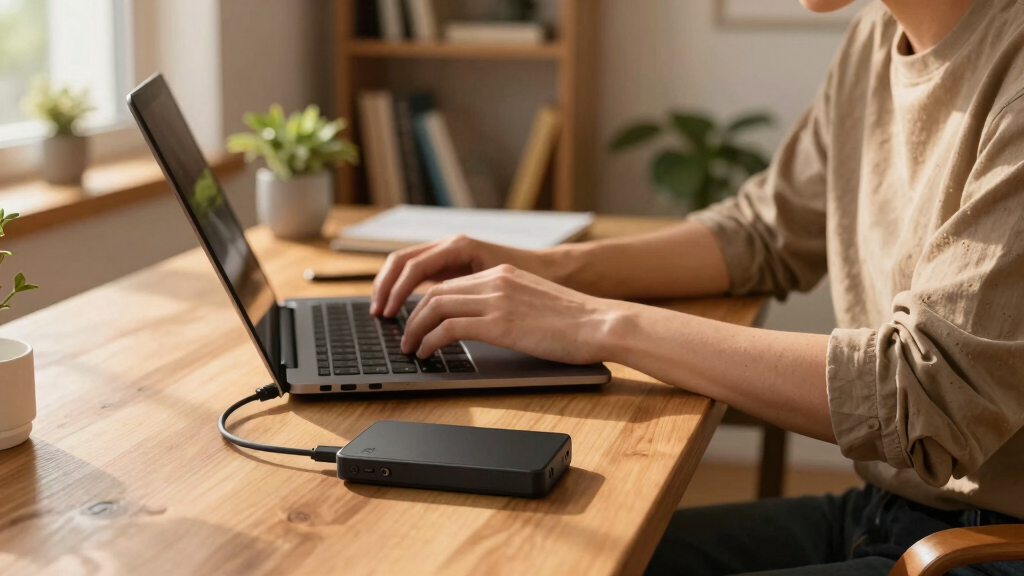
How We Picked
To evaluate the best cloud backup solutions, I focused on performance, ease of use, build quality, scalability, and value. Devices with reliable data protection features, user-friendly interfaces, and broad OS compatibility ranked higher. I also considered portability, hardware specs, and future-proofing, such as support for fast transfer speeds or hardware transcoding. The products were ordered based on how well they balance these factors, with a premium for solutions that excel across multiple criteria and meet diverse user needs.Factors to Consider When Choosing Cloud Backup Solutions
Selecting the right cloud backup solution requires understanding several key factors that impact performance, usability, and long-term value. Beyond just capacity, it’s important to consider hardware specs, compatibility, and scalability. A good backup device or service should integrate seamlessly into your existing setup, offer robust security features, and be easy to manage. Being aware of common pitfalls, like choosing overly complex systems or underestimating future storage needs, can save time and money in the long run.Performance and Speed
Fast data transfer speeds are essential for efficient backups, especially for large files or media collections. Look for solutions with gigabit Ethernet, Wi-Fi 6, or SSD options if speed is a priority. However, increased performance often comes with higher costs, so weigh your speed needs against your budget. Slower devices may suffice for infrequent backups or small data sets but can frustrate users needing quick restores or ongoing syncs.
Compatibility and Ecosystem
Choose a solution that works seamlessly with your devices and operating systems, whether Windows, macOS, iOS, or Android. Cross-platform compatibility reduces setup hassle and ensures smooth data transfer. Some solutions also integrate with popular cloud services like Dropbox, Google Drive, or OneDrive, offering additional flexibility. Avoid systems that lock you into proprietary apps or formats, which could limit future options or increase costs.
Ease of Use and Management
User-friendly interfaces and straightforward setup are vital, especially for less tech-savvy users. Devices with mobile apps, intuitive web interfaces, and automatic backup features minimize manual intervention. However, overly simplified solutions may lack advanced controls for experienced users. Balance ease of use with the ability to customize settings, schedule backups, and monitor activity for comprehensive management.
Scalability and Expandability
Consider future data growth when selecting a solution. Devices with multiple bays or support for additional drives can adapt to increasing storage needs. Cloud services that offer tiered plans or pay-as-you-go options also provide flexibility. Overlooking scalability can lead to costly upgrades or data management headaches down the line, so plan ahead based on your expected growth.
Security and Data Protection
Data security is paramount, especially if you’re backing up sensitive information. Look for solutions with encryption both at rest and in transit, along with features like two-factor authentication. Consider the provider’s privacy policies and whether they store data in secure, compliant data centers. Failing to prioritize security can expose you to data breaches or compliance issues, undermining your backup’s reliability.
Frequently Asked Questions
Can I use a NAS device for cloud backup?
Yes, many NAS devices like Synology or Buffalo support cloud backup features, allowing you to sync your local storage with cloud services or directly back up to the cloud. These solutions combine local control with off-site redundancy, offering a hybrid approach. However, setting up and maintaining a NAS requires some technical knowledge, and initial costs can be higher than simple cloud subscriptions. Proper configuration and security measures are essential to protect your data effectively.
What’s the difference between a NAS and a cloud backup service?
A NAS is a physical device stored on-site, providing local network storage with optional cloud sync capabilities. In contrast, cloud backup services store your data on remote servers managed by third-party providers. NAS devices give you direct control and potentially faster local access, but require hardware investment and maintenance. Cloud services simplify management and scalability but depend on internet connectivity and often involve ongoing subscription costs.
How much storage do I need for reliable backups?
The amount of storage depends on your data volume and backup frequency. A good rule of thumb is to have at least double the current data size to accommodate future growth and multiple backup versions. For large media collections or business data, investing in scalable solutions like multi-bay NAS or cloud plans with extra capacity makes sense. Underestimating your needs can lead to insufficient backups or frequent upgrades, risking data loss.
Are portable NAS devices worth it for backups?
Portable NAS devices like PocketCloud offer great flexibility for backups on the go, especially if you frequently work outside your home or office. They combine local storage with Wi-Fi connectivity, enabling quick backups without relying on internet speeds. However, they might lack the extensive features of larger systems, and portability can sometimes compromise durability or expandability. These are best suited for users who value mobility over high-end performance.
Should I prioritize hardware or cloud subscription for backups?
Choosing between hardware and cloud subscriptions depends on your specific needs and budget. Hardware options like NAS devices provide local control and immediate access but require upfront investment and maintenance. Cloud services offer scalability, off-site protection, and minimal management, often with flexible plans. Many users find that combining both — local NAS for quick access and cloud backup for redundancy — offers the best balance of speed, security, and peace of mind.
Conclusion
For most users, the Synology DS225+ offers a well-rounded mix of performance, scalability, and ease of use, making it the best overall choice. Those seeking affordable, straightforward backups may prefer the Buffalo LinkStation 210 for its simplicity and value. If portability is key, the PocketCloud stands out as the top pick. Power users or media-heavy households should consider the Synology 2-Bay DiskStation DS223j with its advanced hardware capabilities. Finally, beginners or those with minimal data needs will find the Smart Personal Cloud Storage Device ideal for quick, hassle-free backups.Columbus Day / Indigenous Peoples' Day Picks
long weekend sales
As an affiliate, we earn on qualifying purchases.