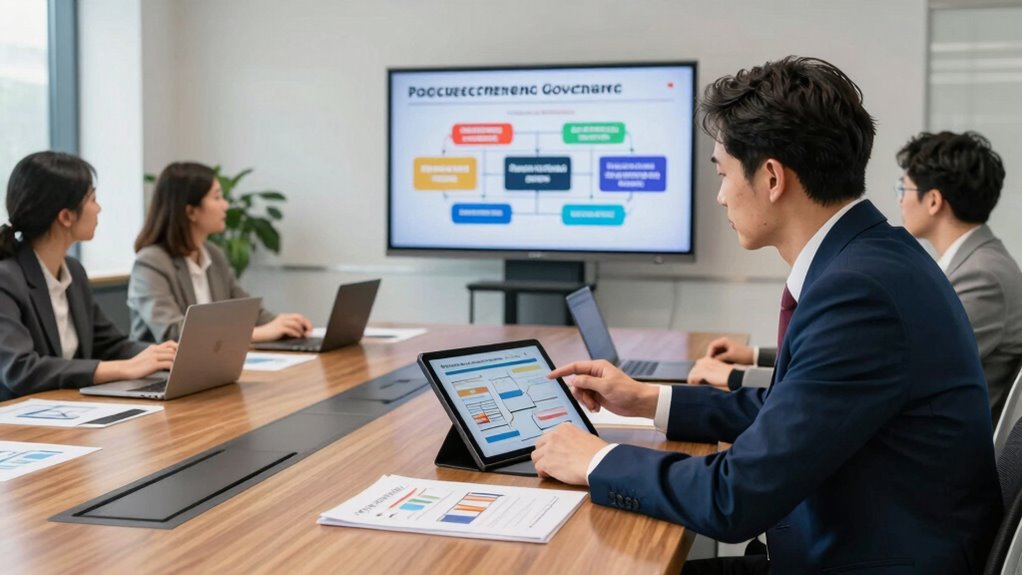

To prevent last-minute risks, your procurement governance model should focus on proactive policies and thorough supplier evaluation. Establish clear procedures, regularly monitor contract performance, and conduct audits to catch issues early. Emphasize compliance and data-driven decision-making to minimize surprises. By creating a structured environment that emphasizes risk mitigation and continuous oversight, you can guarantee smoother processes and avoid costly last-minute crises. Keep exploring how to strengthen your procurement framework for even greater control.

Get business pricing on networking and server gear
- Business-only prices and quantity discounts
- Tax-exempt purchasing
- Multiple users, one account, clear invoices
Key Takeaways
- Implement strict contract compliance and continuous monitoring to detect issues early and prevent last-minute surprises.
- Conduct regular audits and reviews to identify gaps and ensure proactive issue resolution.
- Establish clear evaluation criteria and risk mitigation strategies during supplier selection.
- Foster a proactive procurement environment focused on planning, compliance, and stakeholder accountability.
- Use performance metrics to track supplier performance and enforce adherence, reducing last-minute emergency actions.
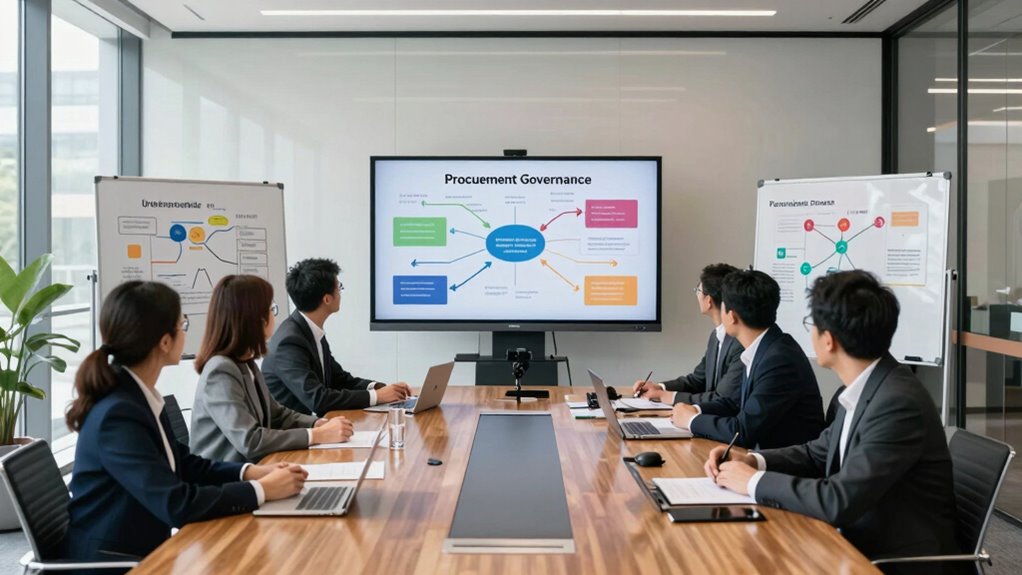
A strong procurement governance model is fundamental for guaranteeing that your organization makes informed, ethical, and cost-effective purchasing decisions. When you establish clear policies and procedures, you create a framework that guides every step of the procurement process. Central to this is rigorous supplier evaluation, which helps you identify vendors that meet your standards for quality, reliability, and ethical practices. By thoroughly evaluating suppliers before engaging with them, you reduce the risk of surprises later, guaranteeing that your organization partners only with those who align with your goals and compliance requirements.
Implementing an extensive supplier evaluation process involves analyzing past performance, financial stability, and compliance history. This not only minimizes the risk of selecting unreliable vendors but also fosters long-term relationships built on trust and accountability. When your organization consistently evaluates suppliers, you’re better positioned to negotiate favorable terms, improve service levels, and maintain supply chain resilience. Plus, a well-structured evaluation process helps you establish clear criteria, making it easier to compare vendors objectively and make data-driven decisions. Additionally, supplier evaluation is essential to ensuring that your procurement process remains resilient against unforeseen disruptions and risks. Incorporating risk mitigation strategies into your evaluation process further enhances your ability to anticipate and address potential issues proactively. Ensuring alignment with compliance standards is also vital, as it helps prevent legal and regulatory issues that could arise unexpectedly. Regular reviews and updates to your evaluation criteria are crucial for adapting to changing market conditions and emerging risks.
Contract compliance plays a crucial role in preventing last-minute risks. When your organization enforces strict adherence to contract terms, you protect yourself from unexpected costs, delays, or legal disputes. This means actively monitoring contract performance, ensuring that suppliers deliver on their commitments, and addressing any deviations promptly. By maintaining diligent oversight, you minimize the chance of non-compliance that could derail your procurement objectives or lead to costly corrective actions. Moreover, contract management best practices support ongoing oversight and help detect potential issues early, reinforcing compliance efforts.
Your governance model should also incorporate regular audits and reviews of procurement activities. These checks help you identify gaps in supplier evaluation and contract management, allowing you to implement corrective measures before issues escalate. An effective system promotes transparency and accountability, making sure everyone involved understands their responsibilities and the importance of compliance. When contract adherence is prioritized, you avoid the last-minute scramble to rectify issues that could have been mitigated with earlier intervention. Establishing clear performance metrics is key to maintaining ongoing oversight and ensuring continuous improvement.
Ultimately, a procurement governance model that emphasizes thorough supplier evaluation and tight contract compliance creates a proactive environment. You’re not just reacting to issues as they arise but preventing them altogether. This approach reduces last-minute risks, keeps your procurement process smooth, and safeguards your organization’s reputation and bottom line. By integrating these practices into your procurement strategy, you guarantee that your organization remains resilient, compliant, and prepared for any challenges that come your way.
procurement supplier evaluation tools
As an affiliate, we earn on qualifying purchases.
As an affiliate, we earn on qualifying purchases.
Frequently Asked Questions
How Does the Model Adapt to Different Industry Regulations?
You adapt the model to different industry regulations by incorporating regulation flexibility, allowing it to align with specific compliance standards. You regularly review and update policies to meet evolving industry compliance requirements, guaranteeing the governance framework remains effective across sectors. By fostering a proactive approach and customizing procedures, you ensure the procurement process stays compliant, minimizes risks, and maintains efficiency regardless of the industry’s regulatory landscape.
What Technologies Support This Procurement Governance Model?
Imagine a world where your procurement process is as seamless as a modern smartphone. Technologies like digital transparency enable you to see every detail in real-time, while automated compliance guarantees you adhere to regulations effortlessly. These tools support the governance model by providing clear oversight and reducing risks. They streamline decision-making, prevent last-minute surprises, and keep your procurement process efficient, transparent, and compliant throughout every stage.
How Is Stakeholder Engagement Integrated Into the Process?
You integrate stakeholder engagement by implementing clear engagement strategies, ensuring consistent stakeholder communication throughout the procurement process. You actively involve key stakeholders early, seeking their input and feedback to align objectives and expectations. Regular updates and transparent decision-making foster trust and collaboration. This approach helps anticipate concerns, mitigate risks, and maintain stakeholder buy-in, ultimately strengthening the procurement governance model and preventing last-minute risks.
What Training Is Required for Effective Implementation?
Imagine you’re donning your armor before a quest—training is essential. You’ll need procurement skills like strategic sourcing and contract management, alongside risk management techniques. Focus on workshops, simulations, and ongoing learning to understand policies and stakeholder engagement. This guarantees you can navigate procurement processes confidently, spotting potential issues early and preventing last-minute risks. Proper training equips you to lead procurement initiatives smoothly and uphold governance standards effectively.
How Does the Model Handle Unforeseen Procurement Disruptions?
You handle unforeseen procurement disruptions by incorporating contingency planning and risk mitigation strategies into the governance model. When unexpected issues arise, you activate predefined contingency plans, allowing quick adjustments without compromising objectives. Risk mitigation efforts, such as diversified suppliers or flexible contract terms, help minimize impact. This proactive approach guarantees you maintain control, reduce delays, and uphold compliance, ultimately safeguarding the procurement process from last-minute surprises.
As an affiliate, we earn on qualifying purchases.
Conclusion
By adopting this procurement governance model, you’re not just managing risks—you’re staying one step ahead. But remember, the true test lies in how well you implement and adapt it under pressure. Will your team catch the warning signs before it’s too late? The answer could mean the difference between seamless procurement and last-minute chaos. Stay vigilant, stay prepared, and keep the suspense alive—because in procurement, the unexpected always lurks just around the corner.
As an affiliate, we earn on qualifying purchases.
supplier performance tracking software
As an affiliate, we earn on qualifying purchases.
As an affiliate, we earn on qualifying purchases.
Columbus Day / Indigenous Peoples' Day Picks
long weekend sales
As an affiliate, we earn on qualifying purchases.