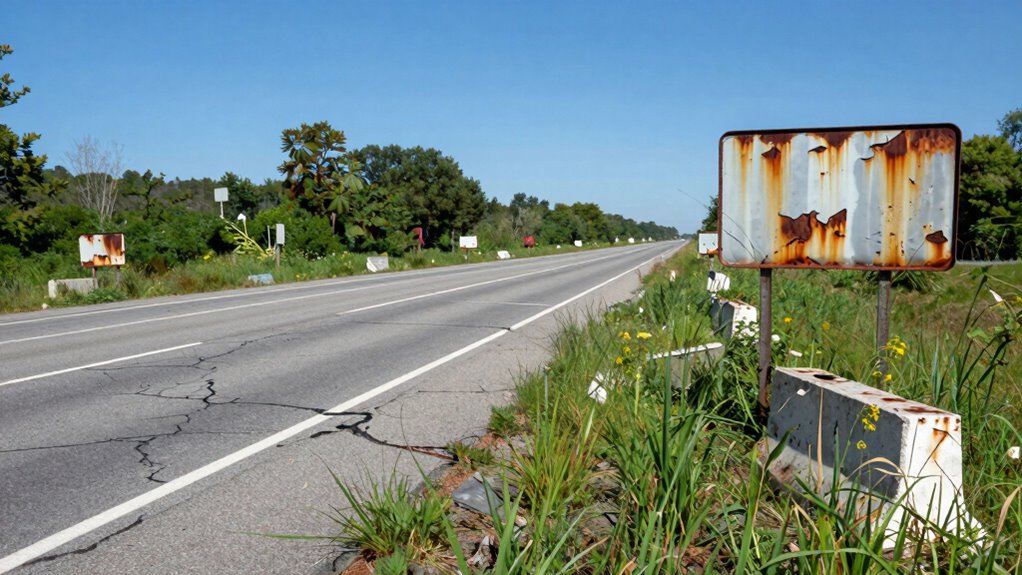

Idle infrastructure is a sustainability story because it shows how resources are wasted when assets remain underused or abandoned. By keeping infrastructure unused, you contribute to urban decay and unnecessary environmental impacts. Instead, smarter management and creative reuse can maximize these assets, reduce waste, and improve land use. Addressing this issue helps cut costs, lowers carbon footprints, and supports resilient cities. If you want to learn about innovative solutions to turn idle infrastructure into sustainability opportunities, keep exploring.

Get business pricing on networking and server gear
- Business-only prices and quantity discounts
- Tax-exempt purchasing
- Multiple users, one account, clear invoices
Key Takeaways
- Idle infrastructure leads to resource wastage and increased operational costs, hindering sustainable urban development.
- Underutilized assets contribute to urban decay, undermining efforts for resilient, sustainable cities.
- Repurposing or retrofitting unused infrastructure reduces environmental impacts and extends asset lifespan.
- Smarter management of infrastructure enhances land use efficiency and supports sustainability goals.
- Proactive planning and community engagement transform idle infrastructure into sustainable, value-added urban spaces.
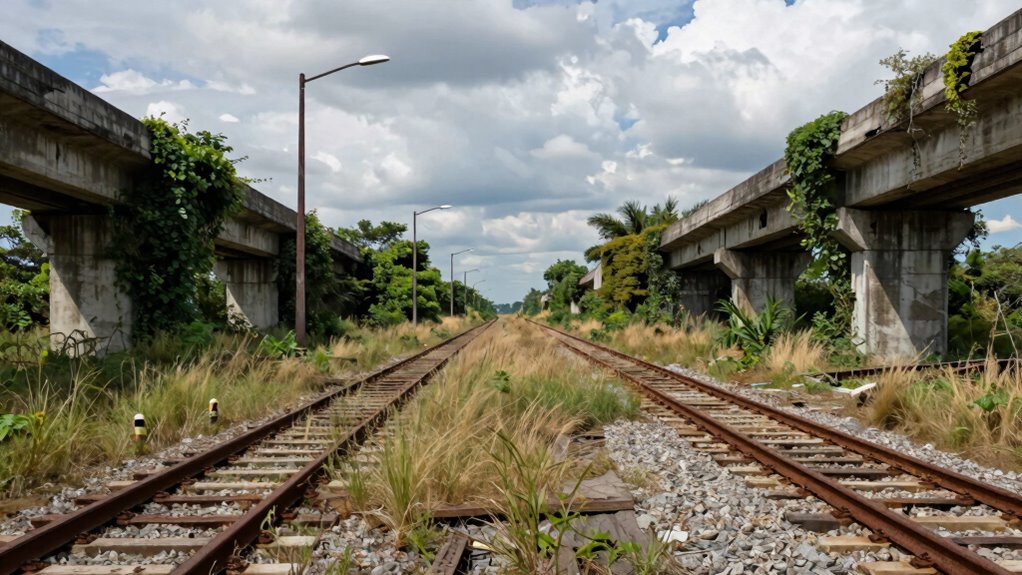
Many infrastructure assets sit idle for most of their lifespan, yet they continue to consume resources and generate maintenance costs. This persistent underutilization contributes to urban decay, as neglected infrastructure can lead to deteriorating neighborhoods and declining city vibrancy. When roads, bridges, or public facilities are seldom used, they become symbols of neglect, fostering a cycle of decline that’s hard to reverse. As these structures fall into disrepair, resources are wasted on upkeep that offers little benefit, deepening the problem of resource wastage. Maintaining unused infrastructure diverts funds from more productive investments, such as new projects, technological upgrades, or community programs that could revitalize urban areas.
Idle infrastructure wastes resources, accelerates urban decay, and diverts funds from revitalization efforts—smarter management is essential.
The story of idle infrastructure is fundamentally a sustainability story because it highlights inefficiencies and the urgent need for smarter resource management. Instead of building and maintaining assets that sit dormant, cities can rethink their infrastructure strategies to maximize use and adapt to changing needs. For example, a bridge or road that no longer serves a high-traffic route is a clear case of resource wastage. Instead of letting these assets decay, you can repurpose or retrofit them to better suit current demands, reducing unnecessary maintenance costs and extending their usefulness. This approach not only conserves materials and energy but also mitigates urban decay by keeping city environments vibrant and functional. Recognizing the importance of resource efficiency can help cities develop more sustainable infrastructure planning and management practices. Incorporating adaptive reuse strategies can further enhance the longevity and usefulness of existing infrastructure. Emphasizing smart planning allows urban areas to better respond to changing needs and prevent infrastructure from becoming idle.
Addressing idle infrastructure directly supports sustainability goals by promoting more efficient land use, reducing environmental impacts, and lowering carbon footprints. When you recognize that unused infrastructure drains resources without delivering value, you’re motivated to develop innovative solutions—like adaptive reuse or shared infrastructure models—that prevent urban decay and conserve resources. For instance, transforming abandoned rail lines into green corridors or community spaces breathes new life into neglected areas, curbing urban decay while making better use of existing assets. It’s about shifting your perspective from “build more” to “use smarter,” ensuring that infrastructure serves its purpose without being wasteful. Additionally, leveraging innovative management practices can help optimize the utilization of existing infrastructure and prevent underuse. Embracing long-term planning in infrastructure development ensures resources are allocated more efficiently and sustainability is prioritized.
Ultimately, embracing the reality of idle infrastructure involves a proactive approach to planning, maintenance, and community engagement. By avoiding resource wastage and tackling urban decay head-on, you contribute to a more sustainable, resilient urban environment. This isn’t just about fixing what’s broken; it’s about rethinking how cities grow, adapt, and make the most of what they already have. When you see idle infrastructure as an opportunity rather than an eyesore, you’re helping shape a future where resources are used wisely and urban decay becomes a thing of the past.
adaptive reuse infrastructure kit
As an affiliate, we earn on qualifying purchases.
As an affiliate, we earn on qualifying purchases.
Frequently Asked Questions
How Does Idle Infrastructure Reduce Overall Environmental Impact?
Idle infrastructure reduces overall environmental impact by enabling renewable integration and supporting smarter urban planning. When you keep infrastructure idle, you can repurpose or upgrade it for renewable energy projects, decreasing the need for new construction. This minimizes land use and emissions. Additionally, idle assets help optimize urban planning by reducing congestion and pollution, leading to a more sustainable city where resources are used efficiently and environmental footprints are lowered.
What Are the Economic Benefits of Repurposing Idle Infrastructure?
Think of repurposing idle infrastructure as revealing hidden treasure beneath your feet. You can boost local economies by attracting new businesses, creating jobs, and increasing tax revenues. With innovative financing, funding becomes more accessible, making projects feasible. Engaging the community guarantees support and shared benefits, fostering sustainable growth. Overall, this approach transforms unused assets into economic engines, fueling prosperity while promoting smarter resource use.
Which Industries Are Most Likely to Have Significant Idle Assets?
You’ll find industries like manufacturing, transportation, and real estate most likely to have significant idle assets. Urban decay and asset devaluation often cause these sectors to hold unused infrastructure, such as factories, warehouses, and transit hubs. By repurposing or revitalizing these idle assets, you can reduce waste, promote sustainability, and stimulate economic growth in affected areas. Addressing urban decay helps reveal the potential of these dormant assets for future use.
How Can Policymakers Encourage the Use of Idle Infrastructure?
You can encourage the use of idle infrastructure by promoting innovative financing options that lower barriers and incentivize repurposing. Engaging communities in decision-making fosters ownership and collaboration, making projects more sustainable and impactful. When policymakers actively support such strategies, they release hidden potential, reduce waste, and create economic opportunities. It’s a powerful way to turn unused assets into valuable resources, proving that sustainability begins with smart, inclusive actions.
What Challenges Exist in Transforming Idle Infrastructure Into Sustainable Assets?
You’ll face challenges like funding, regulatory hurdles, and community resistance when transforming idle infrastructure into sustainable assets. Adaptive reuse and urban revitalization require careful planning, significant investment, and collaboration among stakeholders. Maneuvering zoning laws, ensuring environmental safety, and gaining public support can slow progress. However, overcoming these obstacles enables you to breathe new life into unused spaces, fostering sustainable development and vibrant communities.
urban green space transformation products
As an affiliate, we earn on qualifying purchases.
As an affiliate, we earn on qualifying purchases.
Conclusion
Remember, a wasted resource is a missed opportunity. Idle infrastructure, often overlooked, holds untapped potential to boost sustainability. By repurposing or maintaining these assets, you can reduce environmental impact and promote smarter use of resources. Don’t let the saying “A stitch in time saves nine” be your guide—acting now on idle infrastructure can lead to a more resilient and sustainable future for all. Embrace change, and turn idle into impact.
retrofitting infrastructure tools
As an affiliate, we earn on qualifying purchases.
As an affiliate, we earn on qualifying purchases.
public space revitalization supplies
As an affiliate, we earn on qualifying purchases.
As an affiliate, we earn on qualifying purchases.
Halloween Picks
halloween
As an affiliate, we earn on qualifying purchases.