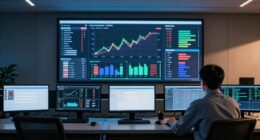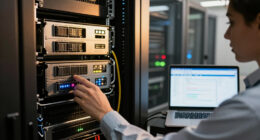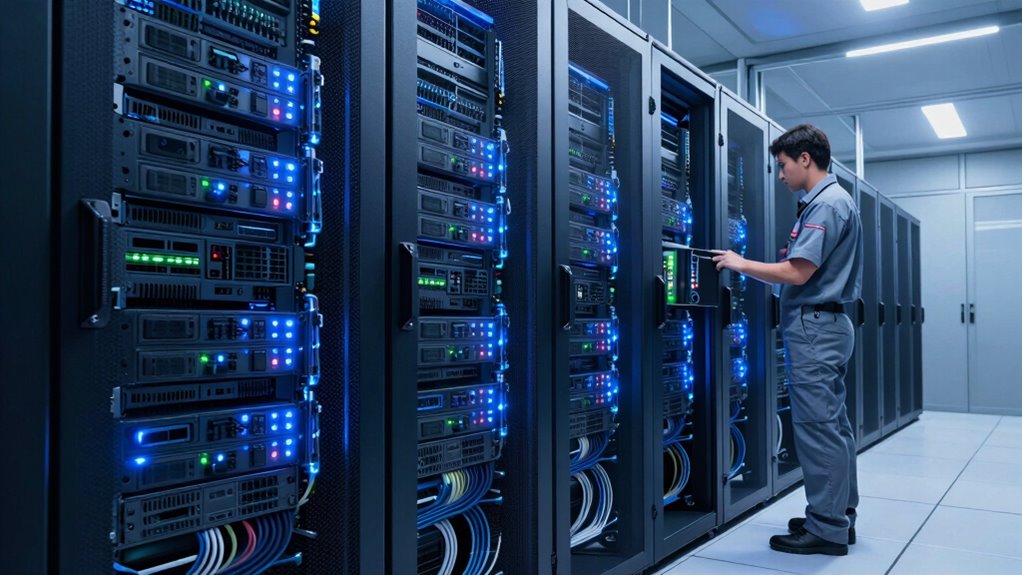

When considering the total cost of ownership for physical IT equipment, you need to look beyond just the purchase price. Factor in long-term expenses like maintenance, repairs, security, and eventual upgrades. Durability and scalability of hardware also impact costs over time. Neglecting these elements can lead to unexpected expenses and security risks. If you want to understand how all these pieces fit together and plan smarter investments, keep exploring these key points further.

Get business pricing on networking and server gear
- Business-only prices and quantity discounts
- Tax-exempt purchasing
- Multiple users, one account, clear invoices
Key Takeaways
- TCO includes initial purchase price, maintenance, repairs, upgrades, and eventual replacement costs over the equipment’s lifespan.
- Hardware durability and scalability significantly impact long-term expenses and the frequency of replacements.
- Security measures and physical safeguards are essential to prevent theft, damage, and associated costs.
- Ongoing operational expenses, such as updates and repairs, accumulate and influence overall TCO.
- Cloud integration can reduce hardware needs but introduces new costs like data transfer and security management.

Understanding the total cost of ownership (TCO) for IT equipment is essential for making informed purchasing decisions and managing budgets effectively. When evaluating physical IT assets, it’s not just about the initial purchase price; you need to consider ongoing expenses and potential risks that can impact your overall investment. One of the key factors influencing TCO today is how your hardware integrates with cloud solutions. Cloud integration can streamline operations, reduce some hardware dependencies, and offer flexibility, but it also introduces new considerations, such as data transfer costs and the need for compatible infrastructure. These factors can add to your total expenses and influence your long-term planning.
As you assess physical IT equipment, keep in mind that maintenance and operational costs can substantially contribute to TCO. Hardware requires regular updates, repairs, and sometimes replacements, especially as technology advances or wear and tear happen. Failing to account for these ongoing costs can lead to budget shortfalls down the line. Additionally, security vulnerabilities pose a serious concern. Physical equipment, if not properly secured, can be susceptible to breaches, theft, or damage. The cost of mitigating these vulnerabilities—whether through physical security measures, continuous monitoring, or staff training—must be factored into your overall TCO. Neglecting security can result in costly data breaches, fines, or operational downtime, all of which inflate the true cost of your IT investments.
Another aspect to consider is the lifecycle of your hardware. Investing in more durable, scalable equipment may have higher upfront costs but can reduce replacement frequency and maintenance expenses over time. Conversely, opting for cheaper, less reliable hardware might lower initial costs but lead to higher total expenses due to frequent repairs or early obsolescence. Cloud integration plays a role here too: as you migrate some functions to the cloud, you might reduce physical hardware requirements, but you’ll need to invest in ensuring seamless integration and addressing potential security vulnerabilities associated with hybrid environments. Additionally, understanding hardware lifecycle management is crucial for optimizing your investment and planning upgrades effectively. Incorporating long-term planning into your hardware strategy can help mitigate unexpected costs and improve overall cost efficiency. Furthermore, understanding the total cost implications of cloud transition can help organizations better align their hardware investments with evolving technological landscapes.
Ultimately, understanding the TCO of physical IT equipment involves balancing initial costs with ongoing expenses, security risks, and future scalability. By considering how cloud integration affects hardware needs and recognizing the importance of safeguarding against security vulnerabilities, you can develop a broad view of what your IT investments will truly cost you over time. This awareness helps you make smarter, more strategic decisions that align with your organization’s budget and security priorities.
enterprise server maintenance tools
As an affiliate, we earn on qualifying purchases.
As an affiliate, we earn on qualifying purchases.
Frequently Asked Questions
How Does TCO Vary Across Different Types of IT Equipment?
Your TCO varies across different IT equipment types because hardware refresh cycles and vendor negotiations influence costs. For example, servers might require more frequent upgrades, increasing refresh expenses, while networking gear could benefit from better vendor deals, lowering costs. You can manage this variation by negotiating better terms and planning hardware refreshes strategically. This approach helps optimize TCO, regardless of equipment type, and guarantees your IT investments stay cost-effective over time.
What Hidden Costs Are Often Overlooked in TCO Calculations?
Hidden expenses often overlooked in TCO calculations include maintenance costs, energy consumption, and depreciation strategies. You might not realize how much energy your equipment consumes or how frequent repairs add up over time. Depreciation strategies can also impact your budget, as outdated equipment may require costly upgrades. By accounting for these hidden expenses, you get a clearer picture of the true cost of owning IT hardware, helping you make smarter decisions.
How Can Organizations Effectively Track Ongoing Maintenance Expenses?
You can effectively track ongoing maintenance expenses by implementing robust inventory management systems that monitor asset usage and service history. Regularly review maintenance records to identify recurring costs and patterns. Additionally, leverage vendor negotiations to secure better service agreements or discounts, which helps control expenses. Staying proactive with these strategies guarantees you have a clear picture of maintenance costs, enabling smarter budgeting and minimizing unexpected financial surprises.
What Impact Does Equipment Lifespan Have on Total Costs?
Imagine your equipment’s lifespan as a journey along a winding road. As it ages, equipment depreciation accelerates, and maintenance costs rise, making the journey more costly. A longer lifespan means better lifecycle management, spreading costs over time and delaying replacement. Conversely, a shorter lifespan increases total costs, requiring frequent upgrades and repairs. Managing equipment lifespan wisely helps you control expenses and extend the value of your IT assets.
Are There Industry Benchmarks for TCO Comparison?
Yes, industry benchmarks for TCO comparison exist, helping you evaluate costs across different options. When considering cloud migration, these benchmarks clarify potential savings and expenses. During vendor negotiations, understanding TCO benchmarks allows you to push for better deals and avoid hidden costs. Comparing these benchmarks guarantees you make informed decisions, balancing upfront investments with ongoing operational costs, ultimately optimizing your IT budget and aligning with your strategic goals.
As an affiliate, we earn on qualifying purchases.
Conclusion
Understanding the total cost of ownership for your IT equipment isn’t just a small detail—it’s the secret weapon to avoiding financial chaos! If you ignore these hidden expenses, your budget could spiral out of control faster than a rocket launching to the moon. Stay vigilant, plan wisely, and you’ll dodge costly surprises that threaten to turn your tech investment into a budget-busting nightmare. Master TCO now, and keep your finances soaring smoothly—no crash landings allowed!
As an affiliate, we earn on qualifying purchases.
As an affiliate, we earn on qualifying purchases.
Halloween Picks
halloween
As an affiliate, we earn on qualifying purchases.