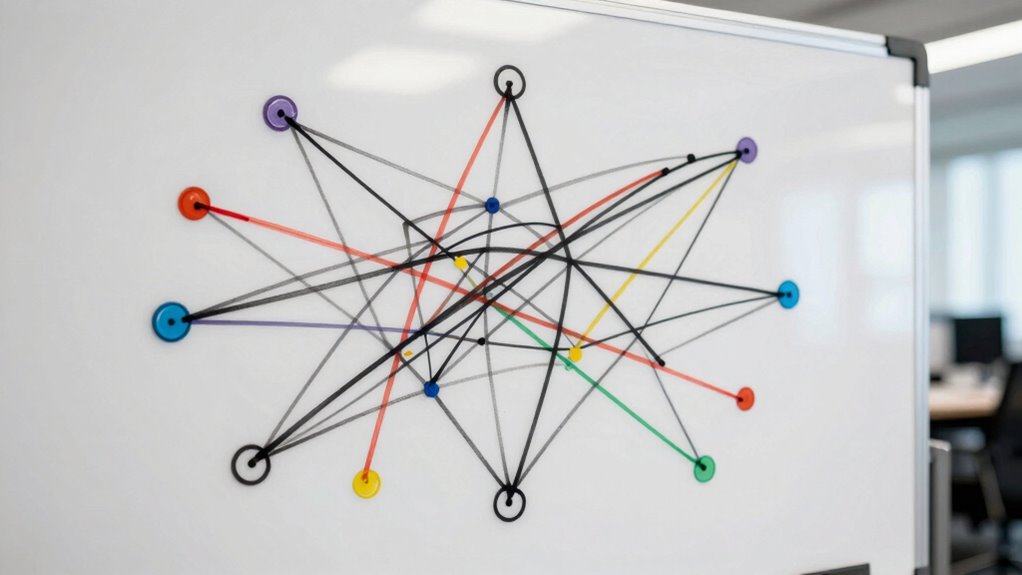

If you rely on outdated or overly simplified network diagrams, you might miss key bottlenecks or interference sources. Ignoring elements like physical cable lengths, device details, and recent layout changes can mask real performance issues. Overlooking interference from neighboring Wi-Fi or physical obstructions can lead you to incorrect conclusions. To troubleshoot effectively, verify your diagrams are detailed, current, and reflect all physical and wireless factors—keep going to uncover how to improve your network clarity.
Listen free for 30 days with Audible
Thousands of audiobooks and originals — cancel anytime.
As an affiliate, we earn on qualifying purchases.
Key Takeaways
- Overlooking wireless interference sources can mask true network performance issues.
- Inaccurate cabling layouts and physical constraints lead to misdiagnosed bottlenecks.
- Using outdated diagrams prevents identification of recent hardware or layout changes.
- Lack of detailed device and connection information obscures potential congestion points.
- Failing to update diagrams regularly hides new interference zones and physical limitations.
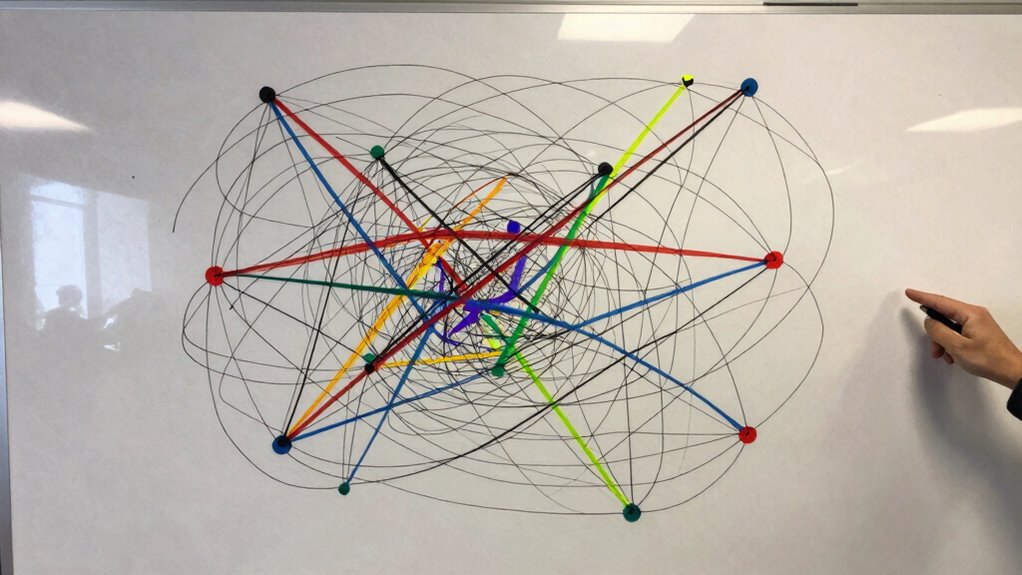
Creating an accurate network diagram is essential for effective network management, but many common mistakes can lead to confusion and errors. One of the biggest pitfalls is overlooking the impact of wireless interference. When you fail to account for interference sources like neighboring Wi-Fi networks, microwave ovens, or thick walls, you risk misjudging the network’s actual performance. Wireless interference can cause dropped connections, slow data transfer, and inconsistent signal strength, all of which may be mistaken as hardware failures or capacity issues. If your diagram doesn’t clearly show access points, frequency overlaps, or interference zones, you might be blind to the real bottlenecks. This oversight leads you to address symptoms rather than root causes, wasting time and resources.
Overlooking wireless interference sources can mislead troubleshooting and mask true network bottlenecks.
Cabling errors are another frequent mistake that can hide true network problems. When your diagrams don’t accurately depict cabling layouts, lengths, or connection points, you lose visibility into physical constraints that cause performance issues. For example, long cable runs or incorrect cable types can introduce signal degradation, which slows down data flow and causes intermittent disruptions. If your diagram shows a simplified or outdated cable configuration, you might assume that the network is performing ideal when, in reality, poor wiring is the culprit. Overlooking cable quality or mislabeling connections can lead you to misdiagnose issues, attributing problems to switches or routers rather than the physical layer. Additionally, failing to document the physical environment can make it difficult to identify potential sources of electromagnetic interference that affect cabling quality.
Another common mistake is neglecting to update diagrams regularly. Networks evolve, with new devices, updated hardware, or changing layouts, yet your diagram remains static. When these changes aren’t reflected visually, you might focus on outdated information, missing critical choke points. For instance, a new wireless access point added without updating the diagram can create unanticipated interference, but if you’re relying on old drawings, you won’t recognize the new source of conflict. Similarly, outdated cabling diagrams may obscure recent physical modifications, making it difficult to pinpoint where issues originate. Keeping diagrams current is essential to accurately reflect your network’s evolving landscape and avoid missing key issues.
Finally, many network diagrams lack clarity and detail. If you don’t specify device types, port numbers, or connection paths, troubleshooting becomes guesswork. When diagrams are ambiguous, you might overlook overlaps or conflicts that contribute to bottlenecks. For example, an unclear diagram might hide a congested switch port or a misconfigured access point, leading you to overlook these critical issues. The result is a distorted view of network health, where real bottlenecks remain hidden behind a blurry or incomplete picture. To avoid these mistakes, you need detailed, updated, and precise diagrams that accurately reflect your network’s physical and wireless landscape. Ensuring that diagrams include detailed device information can significantly improve troubleshooting accuracy.
As an affiliate, we earn on qualifying purchases.
Frequently Asked Questions
How Can I Identify Hidden Bottlenecks Not Shown in Diagrams?
To spot hidden bottlenecks not shown in diagrams, pay attention to visual cues like unexpected slowdowns or congestion points. Monitor traffic anomalies, such as sudden spikes or drops in data flow, which can indicate underlying issues. Use network analysis tools to track real-time performance metrics, and compare them against your diagram’s depiction. This helps you identify overlooked bottlenecks, ensuring you address the true sources of network slowdowns effectively.
What Tools Assist in Analyzing Network Diagram Accuracy?
You can use tools like network diagram validation software to verify your diagrams accurately reflect your network’s structure. These tools help identify errors and inconsistencies, making your diagrams more dependable. Additionally, look for solutions that support tool integration, allowing you to combine data from different sources for thorough analysis. Regularly validating your diagrams with these tools helps uncover hidden bottlenecks and guarantees your network’s performance remains ideal.
How Often Should Network Diagrams Be Updated for Accuracy?
You should update your network diagrams at least every six months, as studies show that outdated network documentation can lead to a 30% increase in troubleshooting time. Regular updates guarantee diagram validation, capturing recent changes and avoiding hidden bottlenecks. By maintaining current diagrams, you improve accuracy, streamline maintenance, and prevent costly errors, ultimately keeping your network running smoothly and efficiently.
Can Incorrect Diagrams Impact Network Security?
Incorrect diagrams can seriously impact your network security. When they’re inaccurate, you might overlook firewall vulnerabilities or misconfigure data encryption points, leaving your system open to attacks. Misrepresented connections can hide weak spots, making it easier for intruders to exploit vulnerabilities. Regularly updating your network diagrams guarantees you identify and address these issues promptly, keeping your firewall defenses strong and data encryption properly implemented.
What Are Common Signs of Overlooked Bottlenecks?
Like the hidden shadows in a maze, overlooked bottlenecks often reveal themselves through slow network performance and frequent outages. You notice signs such as increased latency, dropped connections, and inconsistent data flow. These issues usually stem from diagram complexity that obscures true paths or label inaccuracies that mislead your understanding. Recognizing these signs early helps you address bottlenecks before they escalate, ensuring your network runs smoothly and efficiently.
As an affiliate, we earn on qualifying purchases.
Conclusion
Don’t let diagram mistakes hide your true network bottlenecks. You might think your current setup shows everything clearly, but small errors can mask bigger issues. By carefully reviewing and updating your network diagrams, you’ll identify bottlenecks before they cause major disruptions. It’s worth the effort—ignoring these mistakes only prolongs problems and impacts performance. Take the time now, and you’ll save yourself headaches and costly fixes down the line.
As an affiliate, we earn on qualifying purchases.
As an affiliate, we earn on qualifying purchases.
Fall Picks
fall essentials
As an affiliate, we earn on qualifying purchases.