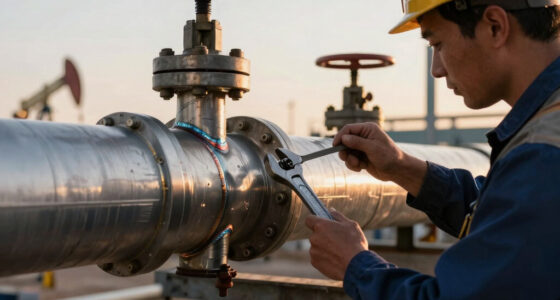

Better capacity planning means you optimize resources like energy, materials, and labor to minimize waste and environmental impact. It involves integrating renewable sources, adjusting operations to renewable energy availability, and designing flexible infrastructure for growth. This approach guarantees your activities support sustainability goals while maintaining efficiency and resilience. By focusing on smarter, greener solutions, you can balance growth with environmental responsibility. Keep exploring to discover more ways capacity planning can power sustainable success.

Get business pricing on networking and server gear
- Business-only prices and quantity discounts
- Tax-exempt purchasing
- Multiple users, one account, clear invoices
Key Takeaways
- Enables optimal use of renewable energy sources, reducing reliance on fossil fuels and lowering carbon emissions.
- Balances resource efficiency with flexible infrastructure to support sustainable growth and minimize waste.
- Forecasts renewable energy availability to align capacity with environmental and operational goals.
- Promotes innovative, energy-efficient technologies to enhance environmental performance.
- Ensures long-term resilience and sustainability by integrating environmental impact considerations into capacity decisions.
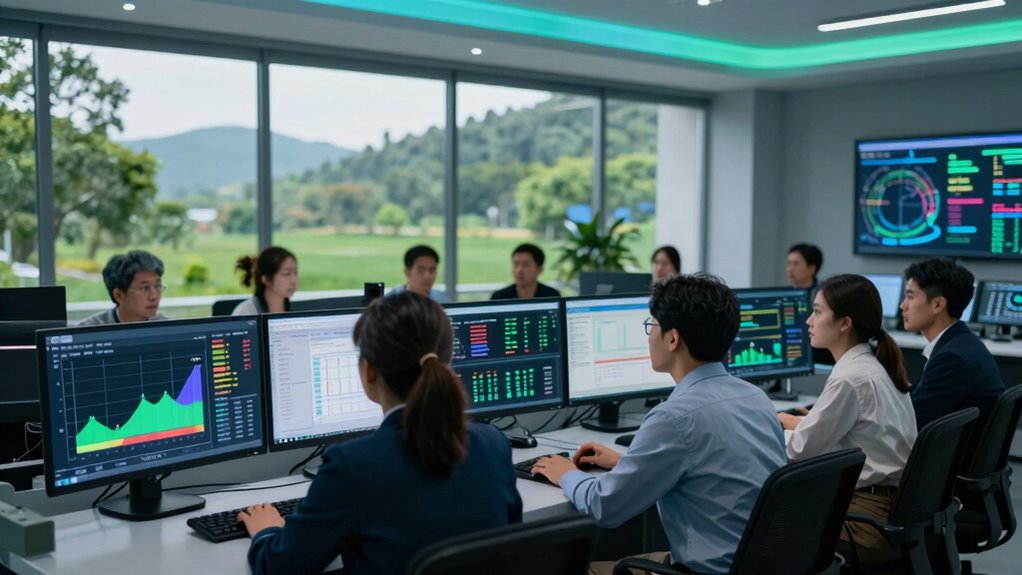
Have you ever wondered how organizations balance the need for growth with the imperative to protect the environment? It’s a complex challenge, but better capacity planning plays a critical role in achieving sustainability goals. When you plan your capacity wisely, you can optimize resource efficiency, ensuring that every resource—whether energy, materials, or labor—is used in the most effective way. This means avoiding excess capacity that leads to waste and under-utilization that hampers growth. Instead, you create a balanced system that supports expansion without unnecessary environmental impact.
A key part of this process is integrating renewable energy sources into your capacity planning. Renewable integration isn’t just about switching to solar or wind; it’s about designing your operations so they can adapt to the variability of these sources. By forecasting renewable energy availability and aligning your capacity accordingly, you reduce reliance on fossil fuels and cut down your carbon footprint. This proactive approach helps you meet sustainability targets while maintaining efficient operations. For example, adjusting production schedules to match peak renewable energy times can minimize energy costs and emissions, making your organization more eco-friendly and cost-effective.
Better capacity planning also involves considering long-term environmental impacts. When you evaluate your growth projections, you need to factor in sustainability metrics alongside traditional business indicators. This might mean investing in flexible infrastructure that can scale up or down based on renewable energy availability or resource constraints. It also involves analyzing the lifecycle of your assets to reduce waste and promote reuse or recycling. By doing so, you’re not just planning for immediate needs but also for a resilient, sustainable future. Incorporating renewable energy sources into your capacity planning ensures your operations are aligned with global efforts to reduce carbon emissions. Recognizing the importance of resource management can further enhance your sustainability strategies and reduce environmental impact. Additionally, understanding energy consumption patterns can help optimize your use of renewable resources more effectively. Incorporating energy efficiency measures into your planning can also significantly reduce overall environmental footprint. Developing a comprehensive approach to sustainable resource utilization can further strengthen your capacity to meet environmental goals efficiently.
Incorporate sustainability metrics and flexible infrastructure for a resilient, eco-friendly future.
Moreover, effective capacity planning encourages innovation. When you understand your resource constraints and opportunities for renewable integration, you’re motivated to develop smarter, greener solutions. This could include adopting energy-efficient technologies, optimizing supply chains, or even redesigning products to have a smaller environmental footprint. These innovations help you stay competitive while aligning with global sustainability initiatives.
Ultimately, better capacity planning means you’re making intentional choices that support both growth and environmental responsibility. You’re balancing resource efficiency with renewable integration, ensuring that your organization can expand without compromising the planet. This strategic foresight not only helps you meet regulatory requirements but also builds trust with customers, investors, and the community. In a world where sustainability is increasingly essential, mastering capacity planning is key to long-term success and environmental stewardship.
Products Worth Considering

LG UltraGear 27-Inch QHD OLED Gaming Monitor, 240Hz, 0.03ms, G-SYNC Compatible, FreeSync Premium Pro, HDMI 2.1

LG 34GX90SA-W 34-inch Ultragear WQHD OLED Curved Gaming Monitor

Samsung 27 Odyssey OLED G5 (G50SF) QHD QD-OLED Gaming Monitor
As an affiliate, we earn on qualifying purchases.
Frequently Asked Questions
How Does Capacity Planning Impact Long-Term Environmental Commitments?
Capacity planning impacts your long-term environmental commitments by enabling resource optimization and supporting renewable integration. When you plan effectively, you reduce waste, lower emissions, and guarantee energy use aligns with sustainability goals. This proactive approach helps you balance supply and demand, minimize reliance on fossil fuels, and maximize renewable resources. Ultimately, it empowers you to meet your environmental commitments while maintaining efficient operations and fostering a greener future.
What Role Does Technology Play in Sustainable Capacity Planning?
Technology plays a vital role in sustainable capacity planning by enabling renewable integration and data analytics. You can leverage advanced data analytics to forecast demand accurately, optimize resource use, and reduce waste. Incorporating renewable energy sources becomes easier with smart grid technologies, ensuring a seamless shift to greener power. This integration helps you meet sustainability goals more efficiently, minimizing environmental impact while maintaining reliable, cost-effective operations.
Can Capacity Planning Reduce Overall Ecological Footprint?
Think of capacity planning like tuning a car engine—you optimize resource allocation to run smoothly and efficiently. By aligning your supply chain with actual demand, you can reduce excess waste and energy use, lowering your ecological footprint. Proper planning helps avoid overproduction, minimizes resource waste, and promotes sustainable practices. So, yes, strategic capacity planning directly cuts down environmental impact by making resource use more precise and efficient.
How Do Companies Measure Sustainability Success in Capacity Planning?
You measure sustainability success in capacity planning by focusing on resource optimization and a resilient supply chain. You track key indicators like energy efficiency, waste reduction, and emissions, ensuring your capacity decisions minimize environmental impact. By analyzing supply chain sustainability metrics, you confirm that your operations support long-term ecological balance. Continuous monitoring and data-driven adjustments help you align capacity planning with your sustainability goals, creating a more responsible and efficient business model.
What Challenges Hinder Integrating Sustainability Into Capacity Strategies?
You face challenges like limited access to renewable resources, which hampers sustainable capacity strategies. Additionally, low employee engagement can hinder efforts to embed sustainability into planning. Only 30% of companies report actively integrating sustainability into capacity decisions, highlighting the difficulty. Balancing economic goals with environmental impact requires overcoming these hurdles, but doing so can foster a more resilient, future-proof approach that aligns operational needs with sustainability objectives.
Conclusion
As you refine your capacity planning, you’re not just optimizing resources—you’re shaping a sustainable future. Imagine the ripple effect of every decision, every adjustment, echoing through the environment and communities. The path ahead is filled with choices that could either sustain or strain our planet. Will you seize this moment to lead a change that lasts? The stakes are high, and the horizon is waiting—your next move could be the turning point.