Understanding how your cooling system works can help you save energy and lower costs. Properly sized units run efficiently and last longer, while maintaining filters and coils keeps it working well. Using smart controls, adjusting thermostats, and managing airflow improve performance too. Passive measures like shading and insulation also reduce heat gain. When you grasp these basics, you’ll make smarter choices for comfort and savings—there’s more you can do to optimize your system.
Open a free Amazon Business account
Business pricing, bulk buying and tax-exempt orders.
As an affiliate, we earn on qualifying purchases.
Key Takeaways
- Properly sized cooling systems prevent energy waste and ensure efficient performance.
- Higher SEER ratings indicate more energy-efficient air conditioning units.
- Regular maintenance like filter replacement and coil cleaning keeps systems running efficiently.
- Using smart thermostats and variable-speed components optimizes cooling and reduces energy costs.
- Simple passive measures, such as insulation and shading, lower heat gain and improve overall efficiency.
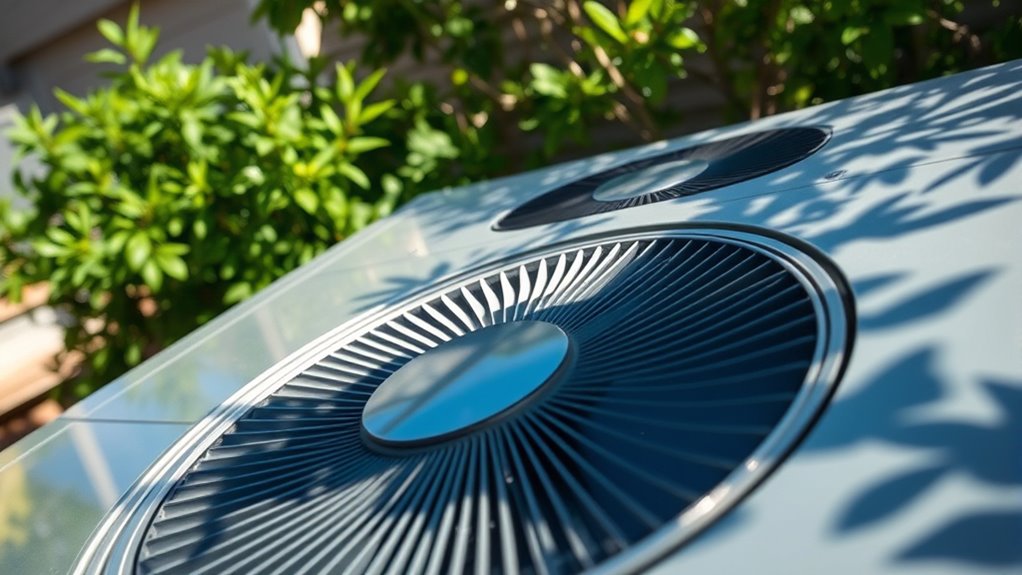
Are you getting the most out of your cooling system? Understanding the basics of how cooling works can help you make smarter choices and save money. Cooling systems remove heat from indoor spaces by using refrigerants that absorb heat during evaporation and release it during condensation. The core components include an evaporator, compressor, condenser, and expansion valve, which work together in a cycle to keep your environment comfortable. Proper system sizing is vital; an undersized unit will run constantly, wasting energy, while an oversized one will cycle on and off too quickly, reducing efficiency and lifespan. The capacity of a cooling system is measured in tons, with one ton equaling 12,000 Btu per hour, so selecting the right size based on your space’s insulation and heat load is essential.
Proper sizing and understanding cooling basics save energy and extend system lifespan.
Efficiency metrics like SEER, EER, and COP help gauge how well your system performs. SEER, or Seasonal Energy Efficiency Ratio, measures the cooling output over a season divided by energy input; higher SEER ratings mean better efficiency. For example, a 13 SEER unit uses about 23% less energy than a 10 SEER system of similar size. EER reflects real-time efficiency at specific conditions, while COP compares the heat removed to the energy used, with higher values indicating better performance overall. Maintaining your system with regular filter changes, coil cleaning, and refrigerant checks helps sustain these efficiencies and prevents performance drops. Optimizing component performance can further enhance the efficiency of your cooling system and reduce operational costs.
Component efficiency plays an important role. Inverter compressors and variable-speed motors adjust output based on demand, reducing energy consumption during lighter loads. Smart thermostats and advanced controls optimize operation, lowering run times and energy use. Proper airflow management is equally important; unblocked vents, sealed ductwork, and balanced registers ensure even cooling and reduce waste. Good airflow prevents hot spots and keeps the system from working harder than necessary. Passive measures like shading windows, insulating walls and roofs, and using energy-efficient windows lower heat gain, easing the cooling load and decreasing the energy needed for mechanical cooling.
Investing in efficient equipment and employing smart operational strategies make a difference. Raising the thermostat setting slightly, using demand-controlled cooling, and off-peak pre-cooling can greatly cut energy bills. Regular maintenance extends your system’s lifespan, preserves efficiency, and prevents costly repairs. Being aware of these basics helps you understand that cooling isn’t just about turning on the AC—it’s about choosing and managing your system wisely. With proper sizing, maintenance, and operational practices, you can keep your space comfortable while reducing energy costs and environmental impact.
SEER rated energy-efficient air conditioner
As an affiliate, we earn on qualifying purchases.
As an affiliate, we earn on qualifying purchases.
Frequently Asked Questions
How Does Insulation Improve Cooling Efficiency?
Insulation improves cooling efficiency by slowing heat transfer between your indoor space and the outside environment. When you add proper insulation to walls, ceilings, and floors, it keeps the warm air out and the cool air in, reducing the workload on your cooling system. This means your air conditioner runs less often, uses less energy, and maintains a comfortable temperature more effectively, saving you money and energy.
What Role Do Smart Thermostats Play in Saving Energy?
Think of a smart thermostat as your personal energy coach, helping you save money and reduce waste. It learns your schedule, adjusting temperatures to avoid unnecessary cooling when you’re away or asleep. By optimizing setpoints and using demand-controlled operation, it can cut energy use by up to 10-15%. This proactive control prevents overcooling, extends equipment life, and keeps your home comfortable without wasting power.
Can Passive Cooling Reduce the Need for Mechanical Systems?
Passive cooling can markedly cut your reliance on mechanical systems by reducing indoor temperatures naturally. You can use shading, insulation, and ventilation to keep spaces cooler without energy-consuming equipment. Strategic building design, like orienting windows to catch breezes or adding thermal mass, further enhances passive cooling. This approach lowers energy bills, decreases environmental impact, and extends your cooling system’s lifespan by easing its workload.
How Often Should Cooling System Filters Be Replaced?
You should replace your cooling system filters every 1 to 3 months, depending on usage and filter type. Check them regularly, especially during peak seasons, to prevent airflow restrictions and maintain efficiency. If you have pets, allergies, or high dust levels, consider replacing filters more frequently. Regular filter changes improve indoor air quality, reduce energy costs, and extend your system’s lifespan. Remember, clean filters are key to peak cooling performance.
What Are the Signs of a Poorly Maintained Cooling System?
Think of your cooling system as a well-tuned orchestra; if one instrument falters, the harmony breaks. You’ll notice increased energy bills, inconsistent cooling, or strange noises, signaling trouble. Reduced airflow, ice buildup, or frequent cycling also point to poor maintenance. If you ignore these signs, the system strains and wears faster, risking costly repairs and lowered efficiency—like a symphony losing its rhythm, your comfort suffers.
smart thermostat for cooling systems
As an affiliate, we earn on qualifying purchases.
As an affiliate, we earn on qualifying purchases.
Conclusion
Think of your home like a car engine: when it overheats, everything slows down. Just like a well-maintained radiator keeps your engine running smoothly, proper cooling boosts your home’s efficiency. Did you know that upgrading your insulation and cooling system can cut energy bills by up to 30%? Stay proactive—small steps now prevent bigger problems later. By understanding cooling basics, you’re better equipped to keep your home running cool and efficient, no engineering degree required.
As an affiliate, we earn on qualifying purchases.
duct sealing and airflow management products
As an affiliate, we earn on qualifying purchases.
As an affiliate, we earn on qualifying purchases.
Flea & tick season Picks
flea and tick prevention
As an affiliate, we earn on qualifying purchases.