
To review architecture risks effectively without causing paralysis, involve stakeholders early and often to gather diverse insights. Focus on critical risks that threaten system stability, security, or performance, using simple frameworks like likelihood and impact. Set clear timelines and use checklists to stay focused, avoiding overanalysis. Keep communication open and transparent to foster trust. Regularly update your approach based on new risks and team feedback—if you want to master this process, keep exploring below.

Get business pricing on networking and server gear
- Business-only prices and quantity discounts
- Tax-exempt purchasing
- Multiple users, one account, clear invoices
Key Takeaways
- Involve diverse stakeholders early to gather multiple perspectives and prevent bottlenecks.
- Prioritize risks based on impact and likelihood to focus on critical issues first.
- Set clear boundaries and timelines to avoid analysis paralysis and maintain momentum.
- Use checklists and structured frameworks for consistent, focused evaluations.
- Communicate findings transparently to foster understanding and collective decision-making.

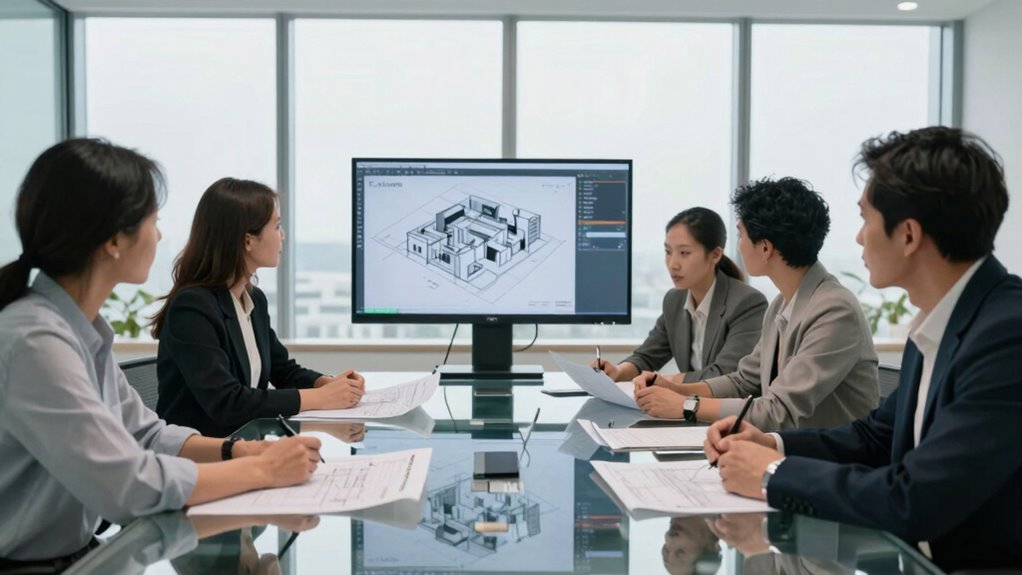
Are you unsure how to evaluate architecture risk effectively? It’s a common concern, especially when the process feels overwhelming or prone to causing analysis paralysis. The key is to approach risk review systematically, focusing on practical steps that prevent stagnation. One of the most critical aspects is Stakeholder Engagement. You want to involve the right people early and often—developers, business owners, security experts, and operations teams. Their insights help you identify potential risks from multiple angles and ensure everyone is aligned on priorities. Engaging stakeholders doesn’t mean endless meetings; it means creating a collaborative environment where concerns are voiced openly, and solutions are shared. This approach keeps risk assessment grounded in real-world needs and helps you avoid chasing every minor issue, which can bog down the process. Additionally, fostering a culture of continuous improvement ensures that risk review remains an ongoing, rather than a one-time, activity. Building a shared understanding of risk management encourages proactive identification and mitigation of issues before they escalate. Regularly reviewing and updating your approach ensures that your team adapts to new challenges and maintains a clear focus on what truly matters.
Engage stakeholders early and often to identify risks from multiple angles and keep the process focused and practical.
Next, prioritize risks methodically. Risk Prioritization isn’t about listing every possible threat but focusing on those that could significantly impact your architecture’s stability, security, or performance. Use a simple framework—consider the likelihood of each risk and its potential impact. This helps you distinguish between critical vulnerabilities and low-priority issues. When you clearly define what matters most, you prevent the review process from spiraling into endless debates over trivial concerns. Instead, you concentrate on addressing the risks that truly threaten your system’s integrity or business goals. Remember, the goal isn’t perfection but a balanced approach where the most pressing risks are managed effectively without halting progress. Incorporating risk assessment tools can further streamline this process by providing structured methods to evaluate and compare risks efficiently.
To keep your review productive, set clear boundaries and timelines. Avoid the temptation to overanalyze by establishing specific review periods and decision points. Use checklists or templates to streamline your assessments, ensuring consistency and focus. When new risks emerge, evaluate whether they warrant immediate attention or can be added to a future review cycle. This discipline helps prevent your risk management process from becoming an endless cycle of analysis, which can cause delays and frustration. Emphasizing structured risk analysis ensures your review process remains efficient and aligned with your overall objectives. Moreover, clear documentation of decisions and actions taken helps maintain momentum and accountability. Establishing these boundaries also helps your team stay focused and prevents scope creep during risk evaluations.
Finally, communicate openly with your team. Share findings and decisions transparently, making sure everyone understands the rationale behind risk prioritization. When team members see that risks are addressed in a structured, pragmatic manner, they’re more likely to stay engaged and committed. This collective clarity reduces uncertainty and keeps your architecture risk review from becoming a source of paralysis. Instead, it becomes a strategic tool that guides your system’s evolution, ensuring you address what matters most without getting stuck in analysis fatigue. By fostering open dialogue, you create a culture where continuous feedback and improvement are valued. Encouraging open communication channels also helps you quickly identify new risks and adapt your strategies accordingly.
architecture risk assessment checklists
As an affiliate, we earn on qualifying purchases.
As an affiliate, we earn on qualifying purchases.
Frequently Asked Questions
How Often Should Architecture Risk Reviews Be Conducted?
You should conduct architecture risk reviews regularly, ideally every few months or after significant project milestones. During these reviews, engage stakeholders actively to identify new risks and assess existing ones. This ongoing process helps you prioritize risk mitigation strategies effectively, ensuring that potential issues are addressed early. Consistent reviews foster a proactive risk management culture, reducing the chance of paralysis while maintaining the agility needed for successful project delivery.
What Tools Assist in Analyzing Architecture Risks?
Think of risk assessment tools as your compass in steering architecture risks. You can use tools like threat modeling software, risk registers, and automated analysis platforms to identify vulnerabilities and prioritize issues efficiently. When selecting tools, focus on those that fit your team’s workflow and offer clear insights. Proper tool selection streamlines your risk analysis, making it easier to address potential threats without feeling overwhelmed, keeping your project on course.
Who Should Be Involved in the Risk Review Process?
You should involve key stakeholders, including architects, developers, security experts, and product owners, in the risk review process. Their engagement guarantees diverse perspectives, helps identify potential issues early, and fosters shared responsibility. By including stakeholders, you promote effective risk mitigation strategies, prevent overlooked vulnerabilities, and build consensus on necessary adjustments. Active stakeholder engagement empowers your team to address architecture risks proactively, reducing the chance of project paralysis and enhancing overall system resilience.
How to Prioritize Risks Identified During Review?
Did you know that organizations that actively prioritize risks are 30% more likely to effectively mitigate them? To prioritize risks identified during review, evaluate their potential impact and likelihood, then categorize them into high, medium, or low priority. Engage stakeholders early to guarantee risk mitigation strategies align with business goals. This approach helps you focus on critical issues first, making risk management more manageable and effective.
What Are Common Pitfalls in Architecture Risk Assessment?
You might stumble into pitfalls like neglecting thorough design review, which can overlook critical risks. Overemphasizing compliance standards without understanding their practical impact can lead to paralysis or misjudging risks. Additionally, relying solely on checklist approaches may cause you to miss context-specific vulnerabilities. It’s essential to balance detailed reviews with flexible judgment, ensuring you identify real risks without getting bogged down or missing key issues during your architecture risk assessment.
stakeholder engagement tools for risk management
As an affiliate, we earn on qualifying purchases.
As an affiliate, we earn on qualifying purchases.
Conclusion
By evaluating risks thoughtfully, communicating clearly, and prioritizing actions, you create a balanced approach to architecture review. You avoid paralysis by focusing on what matters most, embracing clarity over complexity, and making informed decisions confidently. When you review risks with purpose, you foster resilience, encourage innovation, and maintain progress. Ultimately, you shape a secure, adaptable architecture that supports your goals—steadfast in the face of uncertainty and ready to evolve with confidence.
risk prioritization frameworks for IT systems
As an affiliate, we earn on qualifying purchases.
As an affiliate, we earn on qualifying purchases.
risk management templates for software architecture
As an affiliate, we earn on qualifying purchases.
As an affiliate, we earn on qualifying purchases.
Halloween Picks
halloween
As an affiliate, we earn on qualifying purchases.