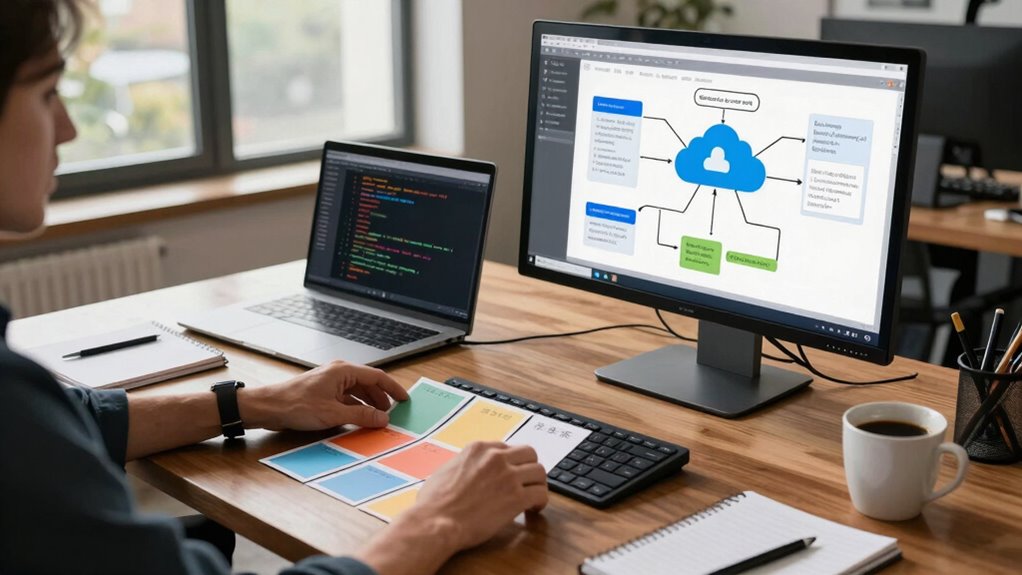

To build a control library for reusable cloud assessments, start by defining thorough controls aligned with industry standards like ISO 27001 or NIST, ensuring they are adaptable to various frameworks. Organize controls by purpose, such as access or data protection, and document them thoroughly with implementation and testing procedures. Automate control checks using scripts or assessment tools to improve consistency and efficiency. Regularly update and refine your library based on feedback and evolving threats—if you want to explore these steps more, keep going.

Get business pricing on networking and server gear
- Business-only prices and quantity discounts
- Tax-exempt purchasing
- Multiple users, one account, clear invoices
Key Takeaways
- Define comprehensive, standardized controls aligned with industry standards and organizational policies for consistent cloud assessments.
- Incorporate automation tools and scripts to enable scalable, repeatable control checks across cloud environments.
- Categorize controls by purpose and document them thoroughly with clear implementation and testing guidance.
- Regularly review and update controls to reflect evolving threats, compliance requirements, and technological changes.
- Foster collaboration among security, compliance, and cloud teams to continuously improve and optimize the control library.
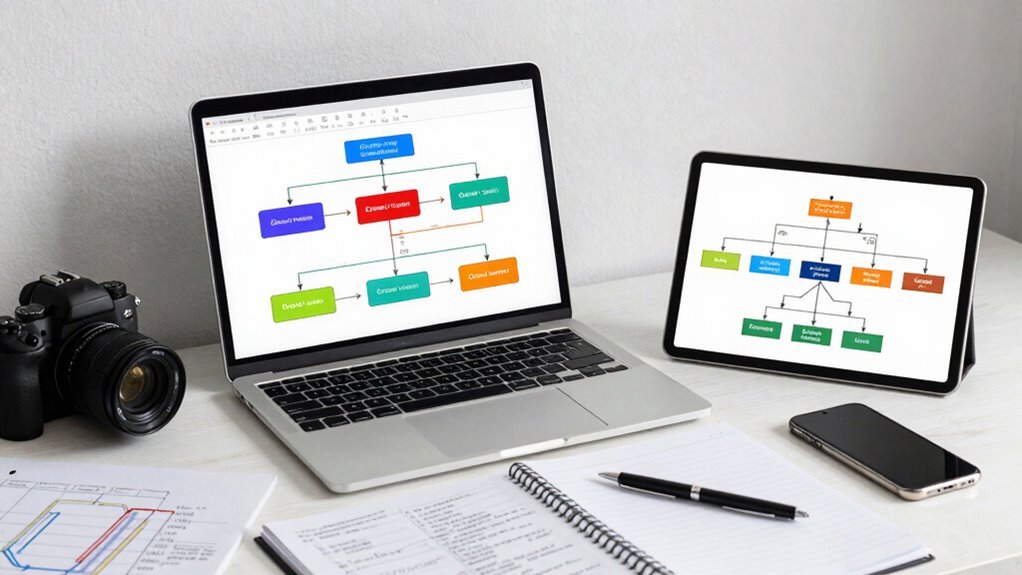
Have you ever wondered how to streamline your cloud assessment process and guarantee thorough coverage? Building a control library is the key. It enables you to standardize assessments, reduce manual effort, and ensure consistency across projects. To start, focus on developing an extensive set of control definitions that align with industry best practices and organizational policies. Incorporate automation strategies to make the process scalable and repeatable. Automation allows you to run assessments more quickly and accurately, minimizing human error and freeing your team to focus on more strategic tasks. Use scripts or assessment tools that can automatically check controls against cloud environments, ensuring that each evaluation is consistent and detailed.
Streamline cloud assessments with automation, standardize controls, and ensure thorough, consistent coverage across projects.
Next, integrate compliance frameworks into your control library. These frameworks, such as ISO 27001, SOC 2, or NIST, provide structured guidelines for security and compliance, making it easier to align your controls with recognized standards. This alignment helps demonstrate compliance to auditors and stakeholders, while also ensuring that your security posture remains robust. When developing your controls, ensure they are adaptable enough to conform to different frameworks and specific regulatory requirements relevant to your industry. Understanding regulatory requirements is essential for tailoring controls effectively. Incorporating industry standards ensures your controls meet recognized security benchmarks and best practices. Additionally, maintaining an awareness of cloud-specific controls can help address unique challenges associated with cloud environments. Regularly reviewing these controls ensures they stay relevant amid evolving threat landscapes.
As you build your library, categorize controls based on their purpose—like access management, data protection, or incident response. This organization makes it easier to select relevant controls for specific assessments and tailor evaluations based on the cloud service or deployment model. Document each control thoroughly, including its intent, implementation guidance, and testing procedures. Clear documentation ensures that anyone on your team can understand, implement, and verify controls without ambiguity. Additionally, establishing standardized control templates can streamline this documentation process and promote consistency.
Regularly review and update your control library to keep pace with evolving cloud technologies and compliance demands. Incorporating feedback from assessments to identify gaps or redundancies, refining your controls to improve coverage and efficiency. Use version control to track changes over time, ensuring everyone works from the latest set of controls. By doing this, you make your control library a living resource that adapts to new threats, standards, and organizational needs. This ongoing process is vital for maintaining an effective security posture.
Finally, foster collaboration across your security, compliance, and cloud teams. Sharing insights and lessons learned helps refine controls and ensures alignment across functions. This collaborative approach, combined with automation strategies and adherence to compliance frameworks, transforms your control library into a powerful tool. It streamlines your cloud assessments, boosts confidence in your security posture, and simplifies maintaining compliance, saving you time and reducing risk in the long run.
cloud security assessment automation tools
As an affiliate, we earn on qualifying purchases.
As an affiliate, we earn on qualifying purchases.
Frequently Asked Questions
How Do I Prioritize Controls Within My Library?
To prioritize controls, start with a thorough risk assessment to identify the most critical vulnerabilities. Use control categorization to group controls by their importance and impact. Focus first on high-risk areas that could cause significant harm or compliance issues. Regularly review and update your priorities based on evolving threats and organizational changes, ensuring your control library remains effective and aligned with your security objectives.
What Tools Can Automate Control Library Management?
Think of control library management as steering a ship through stormy seas—you need the right tools to stay on course. Control automation tools like Terraform, Ansible, or Chef act as your navigational instruments, streamlining updates and ensuring library governance stays intact. They help you automatically manage controls, reduce manual errors, and keep your cloud assessments consistent, making your control library a well-oiled machine that adapts seamlessly to changing environments.
How Often Should Control Libraries Be Updated?
You should update your control library regularly, ideally every three to six months, to guarantee it stays current with evolving standards. Incorporate control versioning to track changes effectively and perform library auditing to verify accuracy and compliance. Frequent updates help catch outdated controls, improve assessment accuracy, and maintain regulatory alignment. Staying proactive with updates minimizes risks and keeps your cloud assessments reliable and relevant.
How to Handle Compliance Across Multiple Cloud Providers?
Think of managing compliance across multiple cloud providers as steering through a complex maze, where each turn represents a different cloud security and compliance framework. To handle this effectively, establish a unified control library that maps common controls to each provider’s standards. Regularly update your library, automate compliance checks, and leverage cloud security tools that integrate with various platforms. This approach simplifies maintaining compliance and keeps your organization agile across all clouds.
What Training Is Needed to Implement a Control Library?
To implement a control library, you need training in control frameworks like NIST, ISO, or CIS, which provide structured guidelines for compliance. You should also understand risk mitigation strategies to effectively apply controls across cloud environments. This training helps you identify gaps, reduce vulnerabilities, and guarantee consistent adherence to standards. Additionally, learning how to document and audit controls ensures ongoing compliance and strengthens your overall cloud security posture.
ISO 27001 compliance control library
As an affiliate, we earn on qualifying purchases.
As an affiliate, we earn on qualifying purchases.
Conclusion
Building a control library for cloud assessments might seem intimidating at first, but it’s a valuable investment in your cloud security. By creating reusable controls, you save time and guarantee consistency across assessments. Don’t worry if it feels overwhelming—you’ll find that starting small and iterating makes the process manageable and even enjoyable. Embrace the journey, and you’ll soon see how a solid control library streamlines your assessments and boosts your confidence in cloud security.
NIST cybersecurity assessment scripts
As an affiliate, we earn on qualifying purchases.
As an affiliate, we earn on qualifying purchases.
cloud control documentation templates
As an affiliate, we earn on qualifying purchases.
As an affiliate, we earn on qualifying purchases.
Halloween Picks
halloween
As an affiliate, we earn on qualifying purchases.