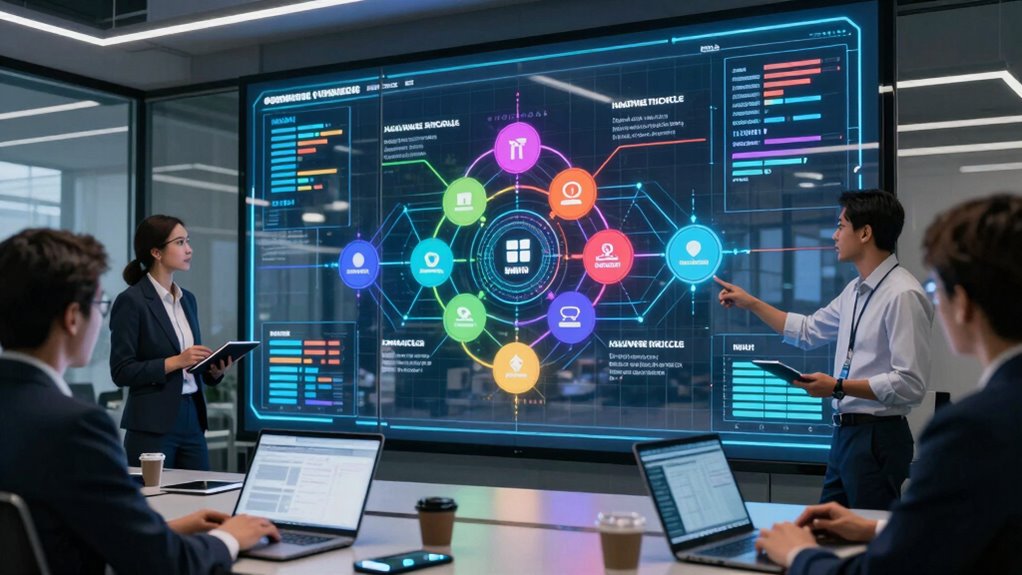

A well-designed hardware lifecycle matrix helps you align IT, finance, and security by clearly defining responsibilities at each stage, from procurement to disposal. It allows you to track performance, manage costs, and guarantee data security through proper decommissioning practices. This visual tool promotes transparency, improves communication, and helps you avoid overlaps or gaps. For a deeper understanding of creating an effective matrix that maximizes asset value and minimizes risks, discover more details below.

Get business pricing on networking and server gear
- Business-only prices and quantity discounts
- Tax-exempt purchasing
- Multiple users, one account, clear invoices
Key Takeaways
- A Hardware Lifecycle Matrix clearly defines responsibilities for IT, finance, and security at each lifecycle stage.
- It aligns goals to optimize hardware performance, manage costs, and ensure secure data disposal.
- The matrix maps decision points and timelines to facilitate proactive hardware replacement and upgrades.
- It promotes transparent communication, reducing overlaps and gaps in asset management processes.
- Implementing a lifecycle matrix ensures compliance, minimizes risks, and extends hardware useful life.
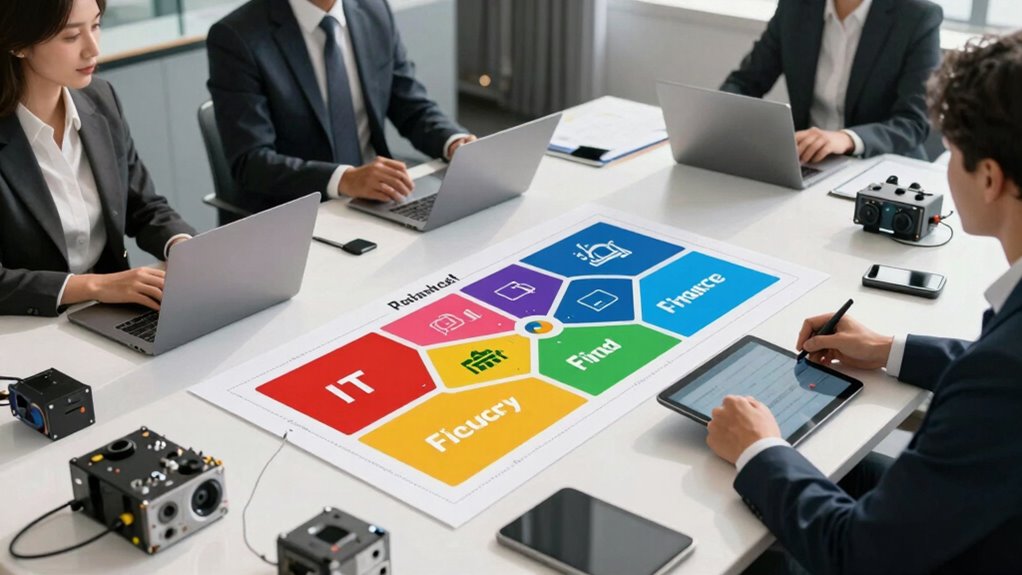
Understanding the hardware lifecycle is essential for managing your technology assets effectively. When you grasp each stage—from procurement to disposal—you can better coordinate efforts across IT, finance, and security teams. Proper lifecycle management guarantees that hardware is used efficiently, replaced at the right time, and disposed of securely. One critical aspect is asset decommissioning, which marks the end of a device’s usable life. When you plan asset decommissioning carefully, it minimizes risks like data breaches and environmental harm. It also helps you recover residual value and maintain compliance with regulations. By integrating asset decommissioning into your overall lifecycle management, you facilitate a smooth shift from active use to disposal, reducing downtime and unnecessary expenses.
A well-structured hardware lifecycle matrix aligns the goals of IT, finance, and security by clearly defining responsibilities at each stage. IT can focus on maintaining peak performance, planning upgrades, and managing warranties. Meanwhile, finance keeps track of the total cost of ownership, budget planning, and depreciation schedules, ensuring investments stay within strategic limits. Security teams, on the other hand, are responsible for data sanitization and secure disposal, protecting sensitive information and preventing vulnerabilities. When these functions work together, you create a comprehensive framework that promotes transparency and accountability throughout the hardware’s lifespan. Recognizing the importance of a lifecycle matrix helps organizations visualize and streamline their hardware management processes more effectively. Incorporating lifecycle stages into your planning enables better anticipation of hardware needs and replacement timing.
Lifecycle management becomes a strategic tool when you use a hardware lifecycle matrix that maps out decision points, timelines, and stakeholder responsibilities. This approach helps you anticipate replacement needs, avoid premature upgrades, and extend the useful life whenever possible. It also guides you through the necessary steps for secure decommissioning—erasing data, removing hardware from inventories, and recycling or disposing of devices responsibly. Incorporating asset decommissioning into your lifecycle process reduces security risks and environmental impact while ensuring compliance with industry standards and regulations. Additionally, establishing clear protocols at each stage ensures consistent execution and minimizes operational disruptions.
Furthermore, a clear lifecycle matrix fosters better communication between departments, preventing overlaps or gaps in hardware management. It provides a visual reference that everyone understands, streamlining processes and improving efficiency. When you adopt this approach, you’re not just reacting to hardware failures or end-of-life situations—you’re proactively managing the lifecycle, reducing costs, and maintaining security. Ultimately, integrating asset decommissioning into your lifecycle management isn’t just about ending a device’s life; it’s about doing so in a way that aligns with your organization’s broader objectives, minimizes risk, and maximizes value from your technology investments.
hardware asset management software
As an affiliate, we earn on qualifying purchases.
As an affiliate, we earn on qualifying purchases.
Frequently Asked Questions
How Does the Matrix Adapt to Rapid Technology Changes?
The matrix adapts to rapid technology changes by incorporating flexible policies that enable quick updates and reallocations. You can easily reassess device lifespans, upgrade schedules, and security protocols to match the rapid evolution of tech. This proactive approach guarantees your hardware stays current, minimizes downtime, and aligns with organizational goals, allowing you to respond swiftly to industry shifts without disrupting operations.
What Are the Key Challenges in Implementing This Matrix?
You face key challenges like managing vendor relationships and ensuring compliance standards are met throughout the hardware lifecycle. Balancing vendor management can be complex, requiring ongoing negotiations and assessments. Additionally, maintaining compliance with evolving standards demands constant updates to policies and procedures. These hurdles can slow implementation, but staying proactive and fostering strong vendor partnerships help you navigate them effectively, ensuring the matrix delivers on its integrated objectives.
How Does It Improve Cross-Department Communication?
Coincidentally, implementing this matrix enhances cross-department communication by breaking down barriers that often hinder interdepartmental collaboration. You notice how clearly defined roles and shared goals foster transparency, making it easier to address issues promptly. The matrix encourages open dialogue, ensuring IT, finance, and security teams stay aligned throughout hardware lifecycles. This structured approach promotes understanding, reduces miscommunication, and streamlines decision-making across departments, ultimately strengthening your organization’s overall efficiency.
What Are the Cost Implications of Adopting the Matrix?
Adopting the matrix impacts your costs through detailed cost analysis and better budget planning. It helps identify when hardware needs upgrades or replacements, reducing unexpected expenses. By aligning IT, finance, and security, you optimize resource use, avoid redundant purchases, and plan budgets more accurately. This proactive approach minimizes downtime and maintenance costs, ultimately leading to more efficient spending and improved financial forecasting across departments.
How to Customize the Matrix for Different Organizational Sizes?
You can customize the matrix by adjusting scaling strategies to suit your organizational size, ensuring it promotes agility. For smaller organizations, streamline phases and focus on cost-effective upgrades, while larger entities might incorporate more detailed tracking and phased replacements. This flexibility helps maintain organizational agility, allowing your hardware lifecycle management to align with evolving needs and resources, ultimately optimizing performance and costs across different scales.
IT asset lifecycle management tools
As an affiliate, we earn on qualifying purchases.
As an affiliate, we earn on qualifying purchases.
Conclusion
By adopting a hardware lifecycle matrix that aligns IT, finance, and security, you streamline decision-making and minimize risks. This integrated approach guarantees your organization remains agile and secure throughout each phase. Are you ready to leverage this strategic framework to optimize your hardware investments and protect your digital assets? Embracing this holistic view isn’t just smart—it’s essential for staying ahead in today’s fast-paced technological landscape.
data sanitization and disposal tools
As an affiliate, we earn on qualifying purchases.
As an affiliate, we earn on qualifying purchases.
As an affiliate, we earn on qualifying purchases.
Columbus Day / Indigenous Peoples' Day Picks
long weekend sales
As an affiliate, we earn on qualifying purchases.