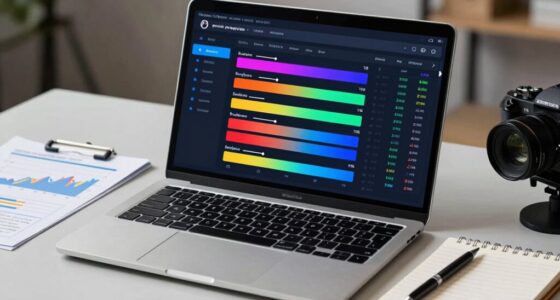

Good cost guardrails feel like clear boundaries guiding your team toward sustainable, efficient solutions without unnecessary restrictions. They help prevent scope creep and budget overruns by encouraging prioritization of high-value tasks and responsible resource use. These guardrails support consistent decision-making and foster accountability, all while allowing flexibility to adapt as the project evolves. If you keep exploring, you’ll discover more about creating effective safeguards that keep your team aligned and your project on track.

Get business pricing on networking and server gear
- Business-only prices and quantity discounts
- Tax-exempt purchasing
- Multiple users, one account, clear invoices
Key Takeaways
- They provide clear, flexible boundaries that guide decision-making without stifling innovation.
- They promote transparency and accountability in resource allocation and project scope.
- They help teams prioritize high-value tasks and avoid unnecessary features or expenses.
- They encourage regular review and adjustment to stay aligned with project goals and constraints.
- They foster a disciplined, consistent approach to managing costs and technical debt.

Setting clear cost guardrails is essential for engineering teams to deliver value without overspending. When you establish these boundaries, you foster a culture of budget awareness that keeps everyone focused on responsible resource allocation. This clarity helps prevent surprises and encourages smarter choices throughout the development process.
Good cost guardrails feel like a natural part of your workflow. They don’t impose unnecessary restrictions but instead serve as a compass, guiding your team toward sustainable and efficient solutions. When everyone knows the limits upfront, you reduce the risk of scope creep or last-minute budget overruns. Your team can prioritize features and technical debt management, ensuring that resources are directed toward high-value tasks. This proactive approach minimizes waste and maximizes return on investment, creating a sense of confidence and control.
Effective guardrails also promote accountability. When your team is aware of budget constraints, each member becomes more intentional with their resource allocation. They’re less likely to pursue shiny but costly features and more inclined to focus on delivering core functionality that meets user needs. As a result, you foster a mindset of cost-conscious innovation, where quality and efficiency go hand in hand. This transparency creates trust, both within your team and with stakeholders, because everyone understands the financial boundaries and works collaboratively to stay within them.
Another sign of good cost guardrails is consistency in decision-making. With clear guidelines, your team doesn’t have to guess whether a particular solution is feasible financially. Instead, they can evaluate options against established parameters, making trade-offs that align with overall project goals and budget limits. Over time, this consistency builds a disciplined approach to resource allocation, reducing impulsive spending and encouraging thoughtful planning. Recognizing the importance of ongoing review ensures that these boundaries stay relevant as project needs change.
Finally, good cost guardrails adapt as your projects evolve. You should regularly review and adjust these boundaries based on new insights, project scope changes, or shifts in organizational priorities. When your team sees that the rules are flexible yet structured, they’re more likely to embrace them. This dynamic process ensures that your cost guardrails remain effective, empowering your team to deliver value efficiently while maintaining financial discipline. Incorporating cost management strategies helps sustain this adaptability and long-term success. Additionally, leveraging industry standards can serve as a benchmark for establishing realistic and effective guardrails. Recognizing the importance of a structured process ensures that these boundaries stay relevant as project needs change.
engineering project cost management software
As an affiliate, we earn on qualifying purchases.
As an affiliate, we earn on qualifying purchases.
Frequently Asked Questions
How Do Cost Guardrails Impact Team Creativity and Innovation?
Cost guardrails can limit your team’s creativity and innovation by imposing innovation constraints, which might make you hesitant to explore new ideas. However, they also offer cost flexibility, helping you prioritize projects and allocate resources effectively. When balanced well, guardrails guide responsible experimentation without stifling your team’s inventive spirit, fostering a culture of smart innovation within financial boundaries.
What Are Common Challenges in Implementing Cost Guardrails?
Implementing cost guardrails can feel like walking a tightrope, balancing budget flexibility with strict resource allocation. Common challenges include resistance from teams fearing restrictions, difficulty in setting realistic limits, and maintaining agility while enforcing controls. You might find that aligning guardrails with project goals requires ongoing communication and adjustments. Without clear transparency, teams may perceive guardrails as barriers, making it harder to foster innovation while controlling costs effectively.
How Should Teams Handle Exceptions to Cost Guardrails?
When handling exceptions to cost guardrails, you should establish clear exception protocols that allow for budget flexibility when necessary. Communicate these protocols openly with your team, ensuring everyone understands the process for requesting and approving exceptions. This approach maintains control while accommodating urgent needs, preventing delays. Regularly review and document exceptions to refine your guardrails, balancing flexibility with cost discipline to support project success.
What Metrics Indicate Effective Cost Guardrail Management?
You’ll know your cost guardrail management is effective when you see transparent budget tracking and clear resource allocation. Metrics like cost variance, budget adherence, and resource utilization help you gauge performance. If these figures stay within set limits, it shows your team maintains financial discipline. Regularly reviewing these metrics guarantees you catch overspending early, maintaining control while allowing flexibility for necessary exceptions.
How Do Cost Guardrails Evolve With Project Scope Changes?
Think of cost guardrails as the rails on a roller coaster, guiding your project’s journey. As scope changes, these rails shift, allowing for some budget flexibility while keeping the ride safe. You adjust scope and budget accordingly, ensuring the guardrails support your evolving project without derailing progress. This dynamic process helps you maintain control, accommodating scope adjustments while preventing overspending, and keeps your project on track.
budget tracking tools for software development
As an affiliate, we earn on qualifying purchases.
As an affiliate, we earn on qualifying purchases.
Conclusion
When you set clear cost guardrails, it’s like planting sturdy signposts along a winding road—guiding your team safely forward without veering into danger. These guardrails don’t just prevent overspending; they create a landscape of trust and innovation, where your team can explore boldly within defined boundaries. Embrace them, and watch your engineering journey become a well-lit path—bright with possibility, yet grounded in prudent stewardship.
cost guardrail tools for engineering teams
As an affiliate, we earn on qualifying purchases.
As an affiliate, we earn on qualifying purchases.
resource allocation management software
As an affiliate, we earn on qualifying purchases.
As an affiliate, we earn on qualifying purchases.
Columbus Day / Indigenous Peoples' Day Picks
long weekend sales
As an affiliate, we earn on qualifying purchases.