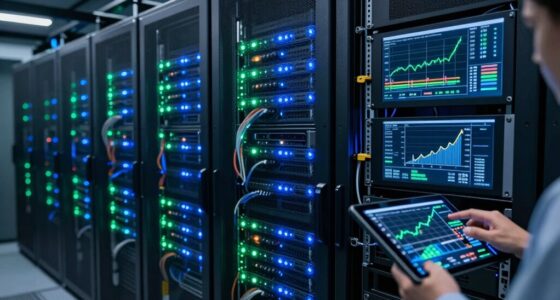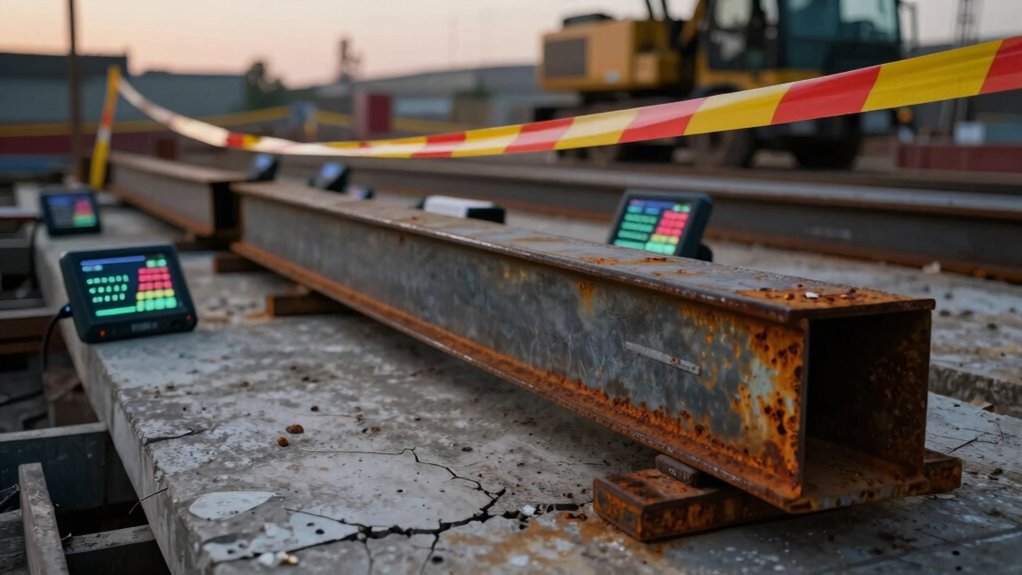

To detect infrastructure drift through cost signals, you should continuously monitor resource utilization and billing patterns for unexpected spikes or drops. Set thresholds for normal cost behavior and configure alerts to signal anomalies. Use automation to compare current states with predefined configurations, and enable quick corrective actions. Combining cost analysis with anomaly detection helps you spot deviations early. Keep an eye on these signals—they can reveal important clues about hidden infrastructure changes that need attention.

Get business pricing on networking and server gear
- Business-only prices and quantity discounts
- Tax-exempt purchasing
- Multiple users, one account, clear invoices
Key Takeaways
- Monitor resource utilization and billing patterns for unexpected cost fluctuations indicating potential drift.
- Set thresholds for typical costs and configure alerts for anomalies to detect deviations early.
- Use automated tools to continuously compare current infrastructure configurations against intended states.
- Analyze cost trends over time to identify subtle infrastructure changes before they escalate.
- Integrate cost signals with security frameworks to uncover unauthorized modifications affecting costs.

Have you ever wondered how small changes in your infrastructure can go unnoticed until they cause major issues? It’s a common challenge, especially when managing complex systems across cloud environments. Infrastructure drift can quietly occur, with configurations diverging from the intended state, making it harder to maintain security, compliance, and performance. Detecting this drift early is essential, and one effective way is by analyzing cost signals. When your infrastructure changes, even subtly, it often impacts resource utilization and costs, providing valuable clues about deviations from your baseline setup.
Cost signals serve as a strategic indicator of infrastructure health. If you notice unexpected spikes or drops in your cloud bills, it might point to unauthorized or unintended changes—perhaps an overlooked resource that’s been spun up, or a configuration that’s been altered. These signals can act as early warnings, alerting you to potential security vulnerabilities or compliance gaps. By closely monitoring cost patterns, you gain insights into what’s happening behind the scenes, helping you identify drift before it escalates into a more serious problem. Cost monitoring is a crucial aspect of maintaining visibility into your cloud environment. Additionally, integrating cost analysis tools can enhance your ability to interpret these signals more effectively. Regularly reviewing these signals helps you stay ahead of potential issues and ensures your infrastructure remains aligned with your operational objectives.
Implementing automation strategies plays a vital role in managing infrastructure drift. Automated tools can continuously compare your current environment against predefined configurations, ensuring that any deviations are flagged immediately. When paired with cloud security best practices, automation not only detects drift but also enforces compliance, reducing the risk of security breaches. Many cloud providers offer native automation features that can automatically remediate drift, reverting configurations to their intended state without manual intervention. This proactive approach helps keep your infrastructure consistent, secure, and cost-efficient. Recognizing infrastructure discrepancies early allows for faster remediation and minimizes potential disruptions. Embracing automation tools can significantly reduce manual oversight and improve overall system resilience.
To effectively detect drift through cost signals, you need to set up detailed monitoring and alerting systems. Establish thresholds for typical cost patterns, and configure alerts for anomalies. This way, you can quickly investigate unexpected cost changes and determine whether they stem from infrastructure drift or other factors. Combining this with automation strategies allows for rapid responses—either through automated rollback or targeted investigations—saving you time and reducing the chance of security vulnerabilities slipping through. Employing predictive analytics can further improve detection by identifying patterns that precede drift events, enabling more proactive management.
In essence, understanding how cost signals reflect underlying infrastructure changes empowers you to maintain a resilient environment. When you tie this into your broader cloud security and automation strategies, you create a robust framework that continuously safeguards your infrastructure’s integrity. Detecting drift early through these signals not only saves money but also fortifies your security posture, ensuring your cloud environment remains aligned with your operational goals.
cloud infrastructure monitoring tools
As an affiliate, we earn on qualifying purchases.
As an affiliate, we earn on qualifying purchases.
Frequently Asked Questions
What Are the Common Causes of Infrastructure Drift?
You’ll often see infrastructure drift caused by configuration inconsistencies, where manual changes or overlooked updates create discrepancies over time. Unauthorized modifications also play a role, as they bypass standard processes and introduce unexpected changes. These issues can lead to unpredictable costs and system instability. Regularly monitoring for these inconsistencies and unauthorized changes helps you catch drift early, maintaining infrastructure alignment and avoiding costly surprises.
How Often Should Cost Signals Be Monitored?
You should monitor cost signals daily to catch anomalies early. Studies show that 78% of cost anomalies are identified within 24 hours, emphasizing the importance of frequent checks. Regular budget monitoring helps you detect infrastructure drift promptly, preventing costly issues. By keeping a close eye on cost signals, you guarantee your infrastructure stays aligned with your goals and avoids unnecessary expenses caused by unnoticed drift.
Can Cost Signals Indicate All Types of Infrastructure Drift?
Cost signals can reveal many types of infrastructure drift, but they don’t catch everything. When you notice cost anomalies, it’s vital to interpret these signals carefully, as they might indicate underlying changes or issues in your infrastructure. However, not all drift causes cost fluctuations. So, while cost signals are valuable, combine them with other monitoring tools for an all-encompassing understanding of infrastructure health and to accurately detect all drift types.
What Tools Are Best for Tracking Cost-Based Drift?
You should use tools that monitor cost anomalies and flag budget overruns to track cost-based drift effectively. Tools like cloud cost management platforms, such as AWS Cost Explorer, Azure Cost Management, or Google Cloud’s Cost Management tools, help you identify unusual spending patterns. These tools provide real-time insights, enabling you to detect infrastructure drift early, address potential issues, and keep your costs aligned with your budget, preventing costly overruns.
How Does Infrastructure Drift Impact Overall System Security?
Imagine you’re in a spaceship from the 1960s, and infrastructure drift causes your security systems to malfunction. You might unknowingly introduce security vulnerabilities or overlook compliance risks, making your system more vulnerable to attacks. As infrastructure drifts, outdated configurations or unseen changes can expose weaknesses, jeopardizing data integrity and safety. Regularly monitoring for drift helps you catch these issues early, safeguarding your system’s security and ensuring compliance with industry standards.
As an affiliate, we earn on qualifying purchases.
Conclusion
Detecting infrastructure drift through cost signals is like catching whispers before they turn into a storm. By staying vigilant and analyzing these signals, you can steer your systems back on course before issues escalate. Remember, neglecting these signs is like ignoring a flickering candle in a dark room—dangerous and costly. Stay proactive, keep your eyes open, and let these cost signals be your lighthouse guiding you safely through the fog of change.
cloud configuration automation tools
As an affiliate, we earn on qualifying purchases.
As an affiliate, we earn on qualifying purchases.
cloud cost management and optimization
As an affiliate, we earn on qualifying purchases.
As an affiliate, we earn on qualifying purchases.
Columbus Day / Indigenous Peoples' Day Picks
long weekend sales
As an affiliate, we earn on qualifying purchases.