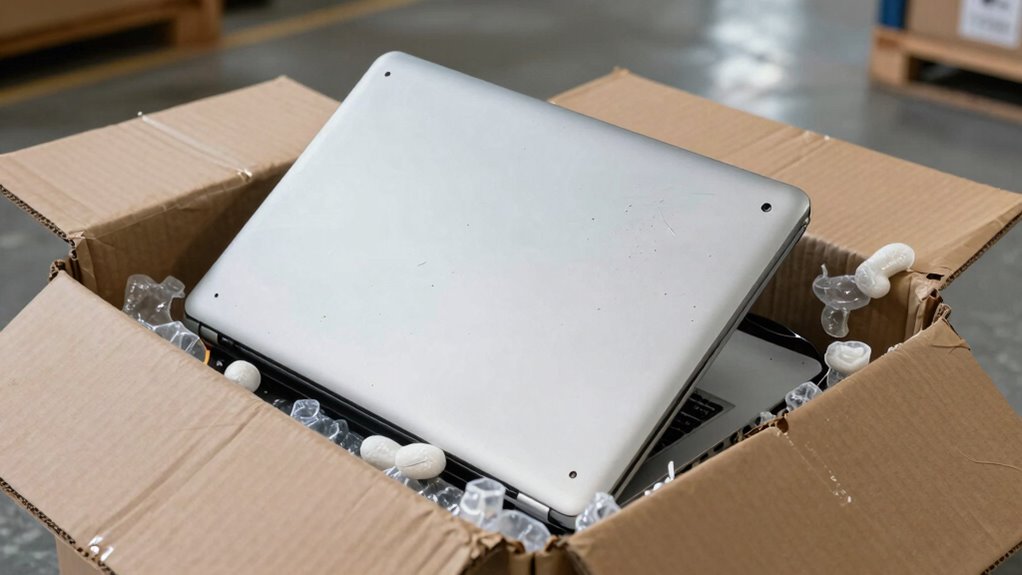

Poor packaging and transit planning for expensive IT gear can silently rack up costs through damage, delays, and unexpected re-shipping expenses. Overpacking raises shipping fees, while underestimating protection risks costly repairs and operational downtime. Inefficient routes and non-compliance with carrier standards increase delays and failures, hurting your schedule and budget. Ignoring these details can also harm your company’s reputation and sustainability efforts. Keep going to discover how to effectively minimize these hidden costs and protect your investments.

Get business pricing on networking and server gear
- Business-only prices and quantity discounts
- Tax-exempt purchasing
- Multiple users, one account, clear invoices
Key Takeaways
- Poor packaging can lead to costly damage and replacements, significantly increasing total operational expenses.
- Inefficient transit routes cause delays, risking project deadlines and increasing freight costs.
- Non-compliance with carrier standards results in rejected shipments and additional re-shipping costs.
- Excessive packaging materials contribute to environmental waste and potential regulatory penalties.
- Lack of strategic planning heightens the risk of damage, delays, and environmental impact, reducing overall profitability.
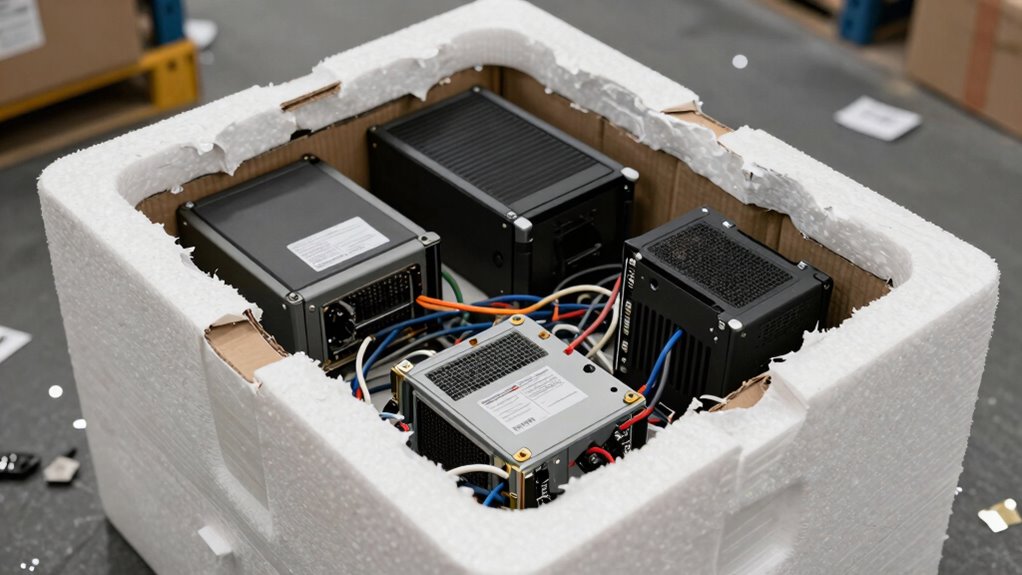
When it comes to shipping IT gear, understanding the costs associated with packaging and transit planning is essential for managing your budget effectively. Poor planning can lead to unexpected expenses, damaged equipment, and delays that disrupt your operations. To avoid these pitfalls, you need to prioritize supply chain optimization, ensuring every step of the process is efficient and well-coordinated. Proper packaging isn’t just about protecting your gear; it’s about reducing overall costs by minimizing the need for re-shipping, repairs, or replacements. Well-thought-out transit planning also plays a crucial role in controlling expenses, as it helps you select the most cost-effective routes and carriers, while also considering delivery times and reliability.
Effective packaging and transit planning are key to reducing costs and preventing delays in IT gear shipping.
Failing to optimize your supply chain can result in significant financial losses. When you overlook the importance of strategic packaging, you might overpack, which increases shipping weight and costs, or underpack, risking damage that can lead to costly replacements and downtime. Additionally, improper packaging can cause delays if packages are rejected or sent back due to non-compliance with carrier standards. Transit planning that ignores these details can lead to longer transit times and higher freight costs, especially if you’re not leveraging data to select the most efficient routes. The cumulative effect of these oversights is a skyrocketing budget that eats into profit margins. Incorporating advanced logistics strategies can help mitigate these risks and improve overall efficiency. A comprehensive understanding of supply chain management is essential for identifying opportunities to optimize every aspect of your shipping process.
Furthermore, adopting sustainable packaging practices can also help reduce waste and enhance your company’s environmental stewardship. Implementing eco-friendly materials in your packaging not only benefits the environment but can also appeal to environmentally conscious clients and stakeholders.
Beyond cost concerns, poor packaging and transit planning have a tangible environmental impact. Excessive packaging materials contribute to waste, while inefficient routes result in unnecessary fuel consumption and carbon emissions. By focusing on supply chain optimization, you can implement eco-friendly packaging solutions, such as recyclable materials or minimalistic designs that still provide adequate protection. Streamlining transit routes reduces the carbon footprint by cutting down on fuel usage and emissions. Incorporating sustainable practices doesn’t just benefit the environment—it can also enhance your company’s reputation and compliance with green initiatives, which are increasingly important to clients and stakeholders. Recognizing the importance of effective transit planning can lead to more sustainable and cost-efficient shipping practices.
Ultimately, the hidden costs of neglecting proper packaging and transit planning are substantial. You might face financial setbacks, environmental criticism, or operational disruptions that could have been avoided with a proactive approach. Taking the time to optimize your supply chain ensures your IT gear arrives safely, on time, and within budget—saving you money and reducing your environmental impact in the process. By making smart decisions early on, you protect your investments and contribute to a more sustainable, efficient logistics process.
IT equipment shipping protective packaging
As an affiliate, we earn on qualifying purchases.
As an affiliate, we earn on qualifying purchases.
Frequently Asked Questions
How Can Companies Assess the True Cost of Damaged IT Equipment?
You can assess the true cost of damaged IT equipment by tracking insurance claims and analyzing repair or replacement expenses. Consider indirect costs like downtime and productivity loss. Implement damage prevention strategies to reduce incidents, which ultimately lowers costs. Regularly review claims data to identify recurring issues. This all-encompassing approach helps you understand the real financial impact, guiding better transit and packaging decisions to protect your valuable IT gear.
What Are the Most Overlooked Factors in Transit Risk Management?
You often overlook factors like risk mitigation strategies and supply chain vulnerabilities when managing transit risks. Neglecting to assess potential delays, customs issues, or geopolitical instability can lead to costly surprises. Ensuring thorough risk mitigation plans are in place helps you anticipate disruptions and protect your supply chain. You should also regularly review your transit routes and carriers, so you’re better prepared to handle unforeseen events, minimizing damage and delays.
How Does Packaging Impact Environmental Sustainability in IT Logistics?
A stitch in time saves nine, and eco-friendly packaging plays an essential role in IT logistics. You can reduce your environmental impact by choosing sustainable materials and ensuring supply chain transparency. This not only minimizes waste and carbon footprint but also promotes responsible practices. By prioritizing eco-friendly packaging, you align your operations with sustainability goals, helping protect the planet while keeping your IT gear secure during transit.
What Role Does Technology Play in Improving Transit Planning Accuracy?
Technology plays a vital role in improving transit planning accuracy by utilizing smart sensors and advanced route algorithms. Smart sensors gather real-time data on conditions like temperature, humidity, and handling, ensuring your IT gear stays protected. Route algorithms analyze this data to optimize delivery paths, reduce transit time, and avoid delays. This combination helps you plan more precise, efficient, and reliable shipments, ultimately saving costs and safeguarding expensive IT equipment.
How Can Businesses Optimize Transit Routes for Cost Efficiency?
Imagine saving thousands on transit costs—sounds impossible? You can, by optimizing routes through precise inventory synchronization and smart carrier selection. You’ll reduce unnecessary miles, avoid delays, and cut expenses. Regularly analyze transit data, leverage real-time tracking, and choose carriers with reliable, cost-effective services. This proactive approach keeps your IT gear moving efficiently, preventing costly mistakes and ensuring your business stays competitive in a demanding marketplace.
eco-friendly IT gear packaging materials
As an affiliate, we earn on qualifying purchases.
As an affiliate, we earn on qualifying purchases.
Conclusion
Neglecting proper packaging and transit planning can cost you thousands—studies show poor handling leads to a 15% increase in damage rates. This not only damages your expensive IT gear but also hits your bottom line and reputation. By investing in smarter packing and smarter routes, you save money and guarantee your equipment arrives intact. Don’t overlook these costs—plan carefully, and protect your valuable assets every step of the way.
IT equipment transit route optimization tools
As an affiliate, we earn on qualifying purchases.
As an affiliate, we earn on qualifying purchases.
heavy-duty IT gear shipping boxes
As an affiliate, we earn on qualifying purchases.
As an affiliate, we earn on qualifying purchases.
Halloween Picks
halloween
As an affiliate, we earn on qualifying purchases.